FAA halts all U.S. flights for hours after air traffic communications failure
A rare nationwide ground stop on Friday left travelers stranded across the country before the FAA reopened U.S. airspace that evening, with delays expected to continue.

The full story
Here is the full story. The Federal Aviation Administration lifted a nationwide ground stop on Friday night after an outage in the country's air traffic communications system kept planes on the ground at every U.S. airport for more than four hours. The agency reopened U.S. airspace at about 8:15 p.m. ET.
Transportation Secretary Sean Duffy said the FAA's radar and communications systems began showing instability at around 3:36 p.m. ET. The agency then halted flights, citing "extraordinary circumstances" and "reasons of safety." In a statement, it said the stop followed communication issues affecting multiple Air Route Traffic Control Centers, the facilities that mostly handle high-altitude airspace between airports. More than 14,500 flights were affected. By 9 p.m. ET, FlightAware had recorded more than 6,000 cancellations over the day, and many travelers were still stuck in airports or on planes sitting on the tarmac that evening.
It was only the third time the FAA has ordered all U.S. flights to stop. The last was in January 2023, when files tied to an alert system for pilots were deleted by mistake, delaying thousands of flights. Before that, air traffic was halted nationwide on Sept. 11, 2001. Earlier this year, flights at New York airports were halted when a contractor accidentally cut a fiber communications line in New Jersey.
At a White House news conference on Friday evening, Duffy blamed aging equipment. He said outdated switches and routers became overloaded with data, sending inconsistent information to air traffic controllers. "We have old, old switches, old routers. We use 1980s little copper lines," he said. He said the fix officials applied gave "a pretty good indication that it was a legacy network problem that went down." Duffy also said, "We're still working on the details of what went wrong today," and neither he nor Homeland Security Secretary Markwayne Mullin gave an exact initial cause.
Mullin said officials were looking at whether newer technology being installed had overwhelmed the older equipment it connects with. He said it "doesn't appear" that a cyberattack was involved, while adding that "there's nothing certain right now," and he ruled out a terrorist attack, saying, "This isn't another 9/11." Other organizations also said they were not involved. The National Weather Service said its radar systems had not been disrupted. The FAA had recently begun rolling out an AI tool to help controllers manage congested airspace, and the developer of that tool denied any connection to Friday's problems. The stop also came during a week in which airlines in Europe received a wave of bomb threats that appeared to be hoaxes.
Duffy spent much of the news conference pressing Congress for money. He said the administration had already secured $12.5 billion for modernization but needed more, first citing $30 billion and then saying, "I want $50 billion." He called the request an emergency and said it should not be a partisan fight. "I can't build things if I don't have money," he told reporters, and he warned that the old equipment is "going to continue to fail." The FAA awarded a contract of nearly $5 billion to Rohde & Schwarz USA in April to replace up to 462 old voice communication switches, and more than 40 new switches have been installed, according to FLYING magazine. Officials have also reported replacing about half of the old copper wiring that carries radar and communications data. Duffy said newer equipment had not failed the way the old system did.
The disruption reached markets and travelers alike. American Airlines shares fell more than 2% in after-hours trading, and United shares fell 1.6%, as airlines faced thousands of rebookings. Some passengers found other ways to their destinations. Vanessa Santos, a business consultant, was taken off a Southwest flight in Phoenix bound for Las Vegas, where she was due to speak at a conference. With no rental cars available, she joined a friend who was driving there and arrived after about seven hours on the road, including stops. Duffy said it would take time for airlines to get back to normal. "Hopefully tomorrow, we are going to start to see far better movement," he said, while calling the U.S. "the safest system in the world."
Reported by
- Business Insider: The nationwide ground stop disrupted my flight to a Vegas conference, but I hitched a ride and got there in 6 hours
- Fox Business: Duffy sounds alarm over aging FAA system after nationwide air travel shutdown
- Fortune: FAA lifts ground stop as homeland security chief blames tech upgrades for ‘overwhelming’ antiquated systems and rules out cyberattack for now
- Axios: FAA ends hours-long nationwide ground stop
- Semafor: FAA lifts rare nationwide ground stop
Get this email every day
Want the day's top story in your inbox each morning? Sign up below to get this email every day.
Other news / Full articles
 Wholesale inflation hits 6.5% in October, the fastest annual pace since 2022
 Jensen Huang resigns as Nvidia CEO after admitting affair amid spy allegations
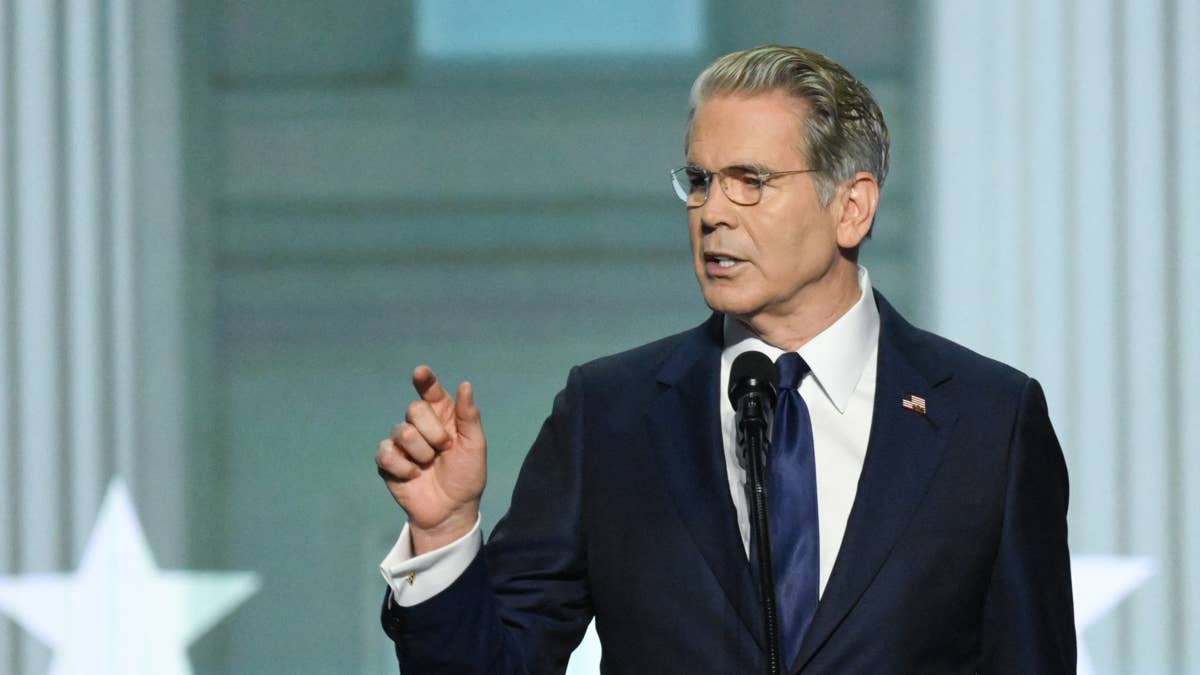 Lutnick agrees to testify as Bessent blames Commerce over Megaspeed and Nvidia chips
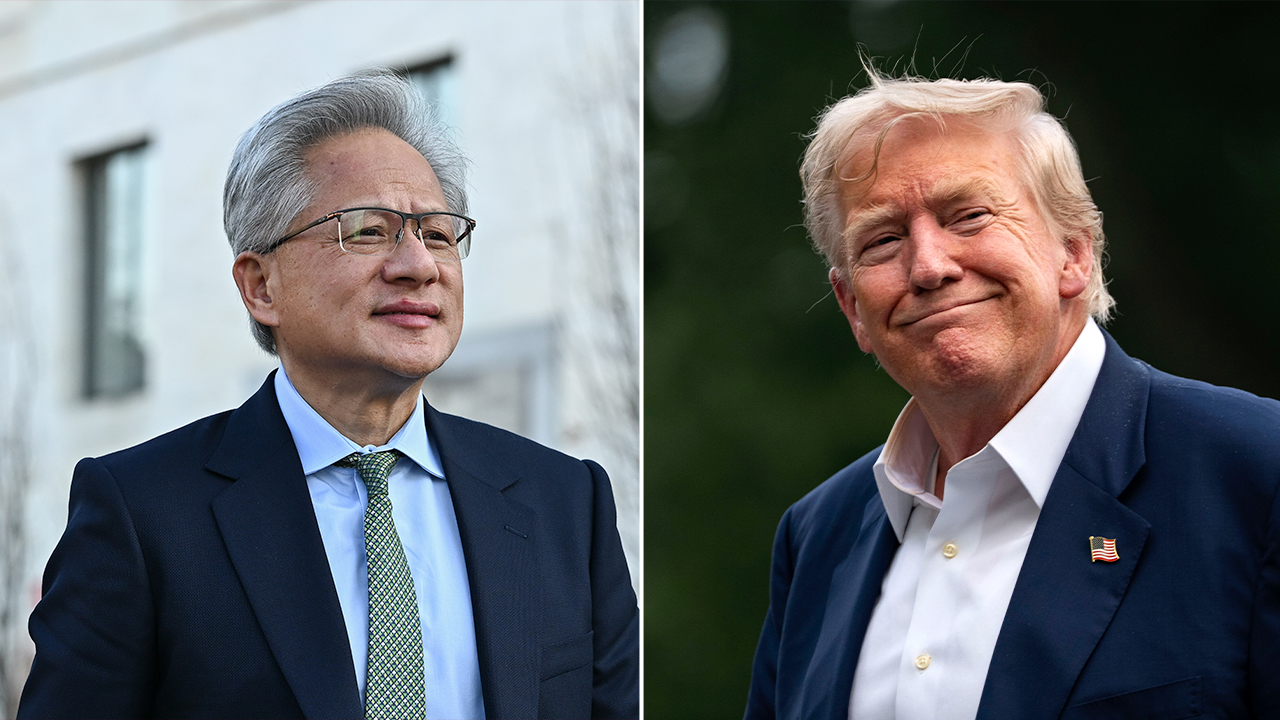 Trump suggests Tim Cook should succeed Jensen Huang as Nvidia CEO
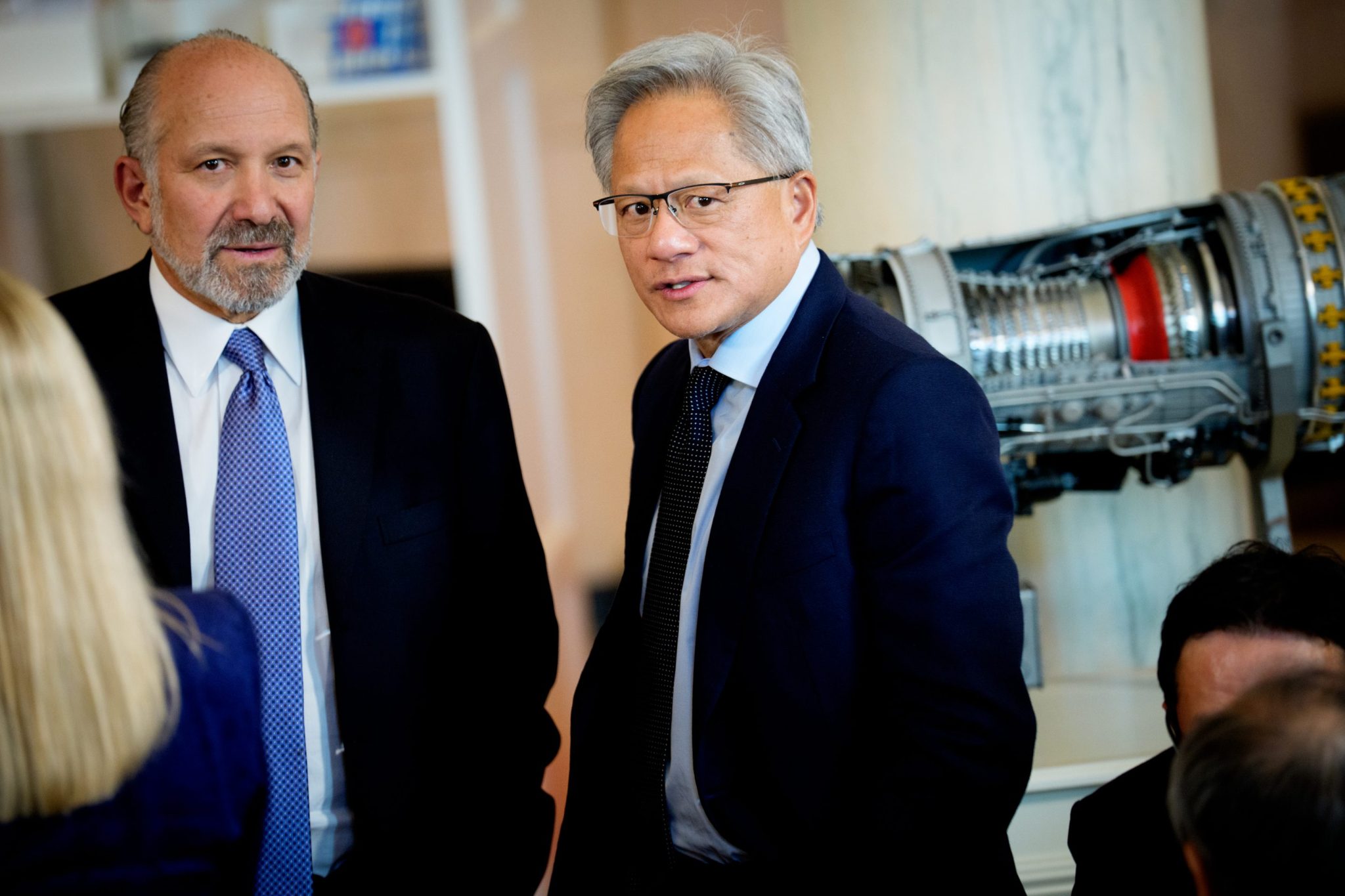 Senate panel asks Jensen Huang and Howard Lutnick to testify over Nvidia chip sales to China
 Nvidia shares fall after Jensen Huang resigns as CEO amid scandal