Commerce Department rule restricts remote access to advanced U.S. AI chips
A new interim rule seeks to stop China from renting American AI computing power through overseas data centers and adds license requirements for five countries.
The full story
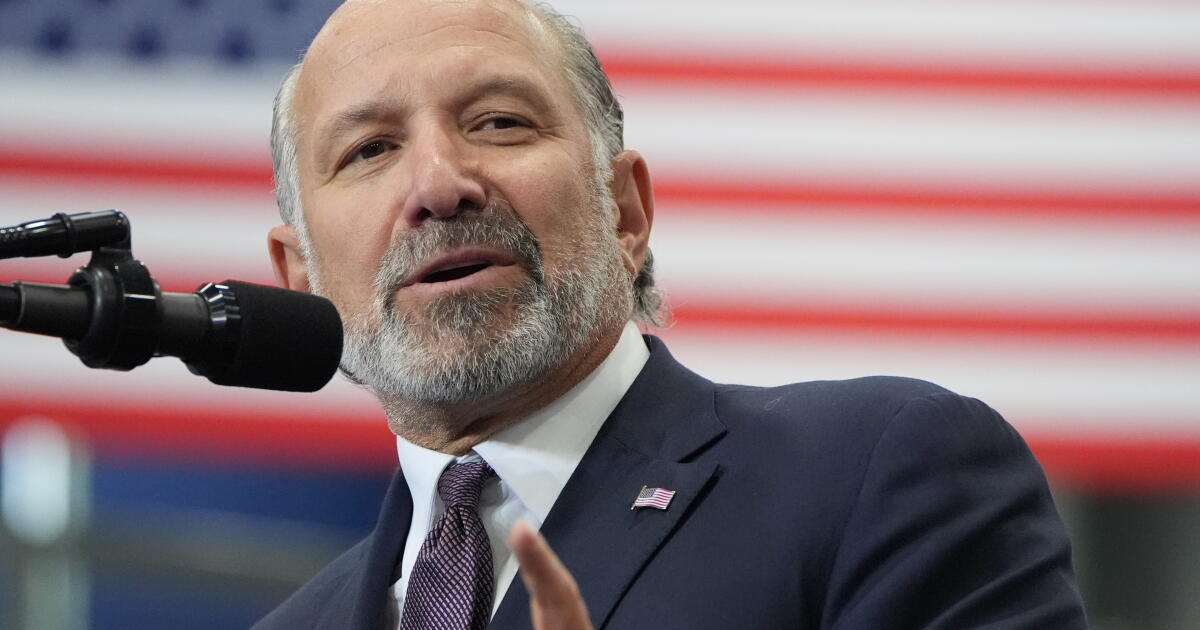
Here is the full story. The Commerce Department's Bureau of Industry and Security on Monday issued an interim rule aimed at closing a gap in U.S. export controls that has let Chinese companies use advanced American AI chips without buying them. Instead of importing the chips, firms have rented computing power from data centers in third countries. The rule took effect immediately.
"The rule is designed to ensure that existing restrictions on access to sensitive American technology cannot be circumvented through remote computing arrangements involving data centers in third countries," the bureau said. Under the rule, overseas data centers that serve companies in countries including China, Russia, Iran and Cuba must identify their end users. Licenses will also be required to export, re-export or transfer advanced semiconductors within Brazil, Indonesia, Malaysia, Singapore and Thailand, along with any other country the commerce secretary designates. The rule describes those countries as presenting "a higher-than-normal risk of diversion" to unauthorized destinations. The department said the goal is to bring remote access in line with the controls that already govern physical access to sensitive technology. The rule notes that advances in cloud computing have made it easier to use American AI computing capacity from abroad, including through data centers in countries not covered by U.S. restrictions. A department press release said the rule was written by and at the direction of the Treasury Department and the National Security Council.
The United States already bans the sale of its most advanced AI chips to China, and existing export rules apply only to those top-tier semiconductors. Rep. Michael Lawler of New York introduced a bill last year to extend export controls to remote access, telling Congress that China could "access our tech through the cloud." That bill has passed the House. Senate bills would let Congress review licenses for AI chip sales to China, have Commerce track chips to prevent diversion, and push allies such as the Netherlands and Japan to match U.S. restrictions on Chinese chipmakers. In a Sunday letter to Commerce Secretary Howard Lutnick, Sen. Maria Cantwell of Washington, the top Democrat on the Senate commerce committee, wrote that Chinese firms such as Alibaba and ByteDance had used overseas data centers with advanced Nvidia chips to train AI models, and that the department "failed to close this loophole."
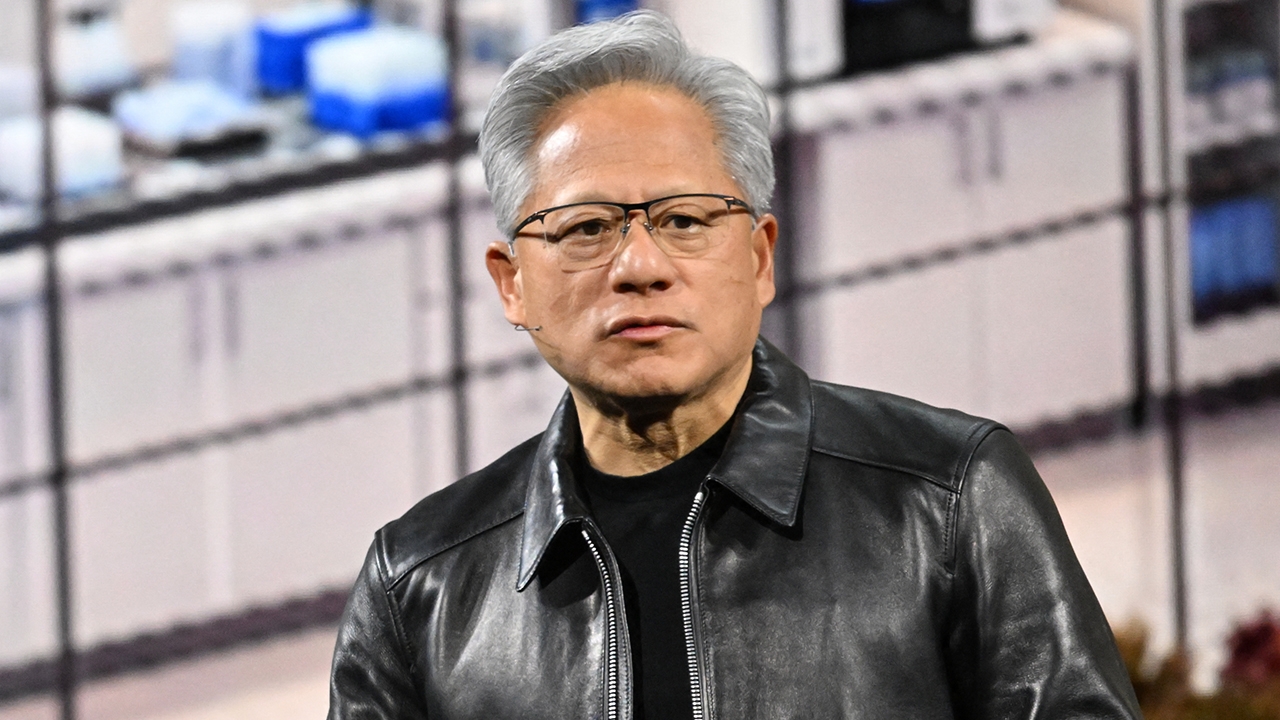
The rule follows the resignation last week of Jensen Huang, Nvidia's co-founder and chief executive. Huang stepped down amid scrutiny of his relationship with Alice Huang, no relation, a former executive at Singapore-based Megaspeed International. Megaspeed, an Nvidia customer, provides computing power to Chinese companies using chips in Southeast Asian data centers, including in Malaysia, and is suspected of diverting advanced Nvidia chips to China in violation of U.S. export controls. CBS News and the New York Post reported that Huang had an affair with her, describing her as a suspected Chinese spy, and the Post reported a second relationship with a senior Nvidia executive. Chinese officials have said their country was not involved. Nvidia's chief financial officer, Colette Kress, has been named interim CEO, and the company has hired an outside firm to search for a permanent replacement.
The episode has exposed tension inside the administration. Treasury Secretary Scott Bessent said the Commerce Department had been slow to restrict Nvidia chip exports to Megaspeed, saying Treasury, State, Defense and the U.S. trade representative had tried "for months" to blacklist the company. On Monday, Trump acknowledged the friction and suggested Lutnick may have held back to avoid a "blow up" in relations with Beijing. "We're having a very good relationship with China right now, and I understand both sides of it," Trump said. He said national security "was not put at risk" and that he would not mind if Huang returned as CEO. He also said selling chips other than the most advanced ones "is a good thing, not a bad thing."
Governments in the region are also looking at the matter. Singapore confirmed last week that it had investigated Megaspeed over "potential false declarations" involving servers exported through Singapore to Malaysia that may have been sent on elsewhere. Malaysia said it is investigating whether chips brought into the country were re-exported, and its trade ministry said the country "will not allow itself to be used to get around export controls." The rule was released as Trump left for a trip to Asia, where he is expected to meet Xi for the third time this year amid a fragile trade truce.
Reported by
Get this email every day
Want the day's top story in your inbox each morning? Enter your email in the box below to sign up.
Other news / Full articles
 California sues OpenAI over AI safety failures tied to Hugging Face attack
 Push to reinstate Jensen Huang grows as Nvidia board resists
 Chase software bug disrupts banking for customers at several major U.S. banks
 Megaspeed says Alice Huang left in 2025 as it opens internal investigation
 FAA nationwide ground stop halts U.S. flights, leaving thousands of cancellations
 Allies campaign to bring Jensen Huang back as Nvidia chief executive