US jury convicts Huawei of trade secret theft conspiracy, bank fraud and Iran sanctions violations
A federal jury in Brooklyn found Huawei and three subsidiaries guilty on 10 of 12 counts but acquitted the company of racketeering conspiracy and obstruction conspiracy.
The full story
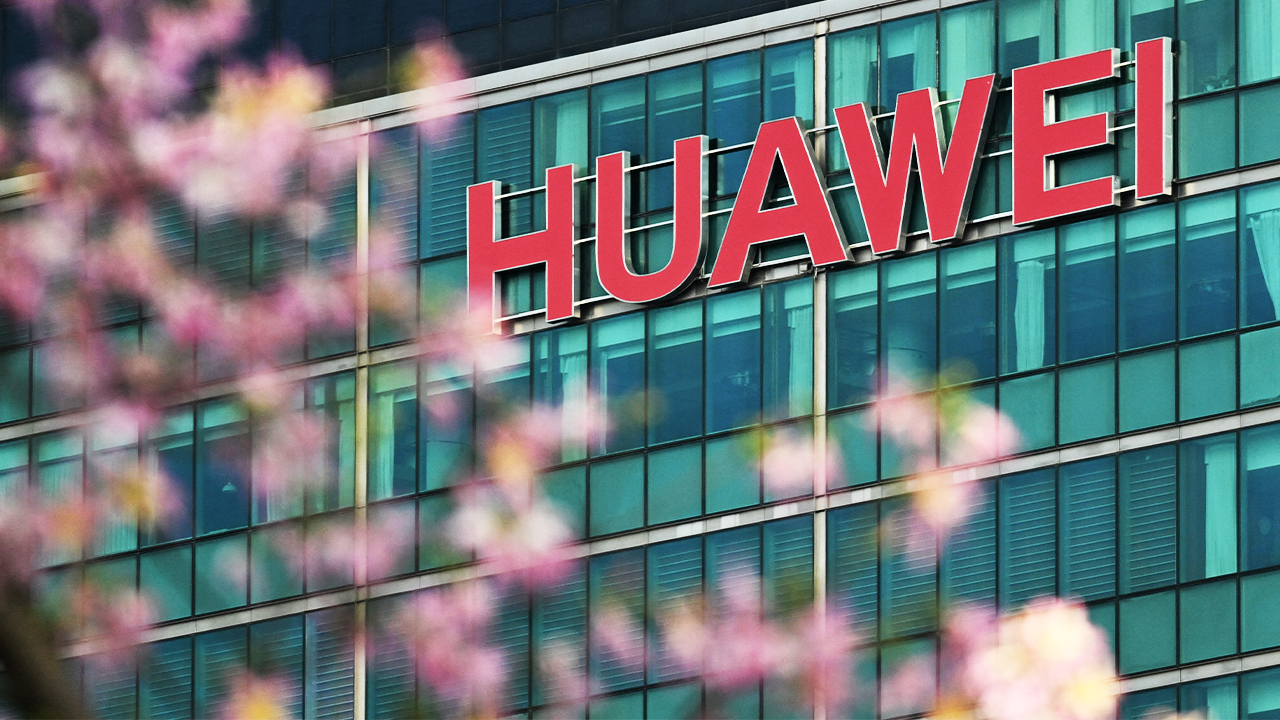
Here is the full story. A federal jury in Brooklyn on Tuesday found Huawei Technologies and three subsidiaries guilty on 10 of 12 counts in a long-running US criminal case accusing the Chinese company of stealing technology from American firms and deceiving major banks about its business in Iran. The subsidiaries convicted alongside the parent company were Huawei Device Co. Ltd., Futurewei Technologies Inc. and Huawei Device USA Inc.
Jurors acquitted the company of racketeering conspiracy, the most serious charge it faced, and of conspiracy to obstruct justice. The verdict followed a three-month trial in the Eastern District of New York. Sentencing is scheduled for September 14, 2027, when the defendants face criminal fines, forfeiture and restitution.
Prosecutors argued that Huawei misled global financial institutions about its operations in Iran in order to obtain billions of dollars and keep access to US dollar clearing services. The Justice Department said the company worked in Iran through a wholly owned subsidiary called Skycom, which supplied telecom equipment and surveillance technology to the Iranian government. Prosecutors also accused Huawei of hiding operations in countries including North Korea. On the technology side, an indictment filed in April said that between 2000 and 2020 Huawei ran a scheme to take intellectual property from firms operating in the US, including by trying to recruit other companies' employees to obtain confidential information. Companies named as targets included Cisco, T-Mobile, CNEX, Quintel, Fujitsu and Motorola Solutions. The indictment described episodes such as routers sold with source code copied from a competitor, a person working for Huawei slipping into a rival's booth at a Chicago trade show to photograph the circuits of a networking device, and a worker removing a robotic arm from a competitor's lab so it could be photographed and measured.
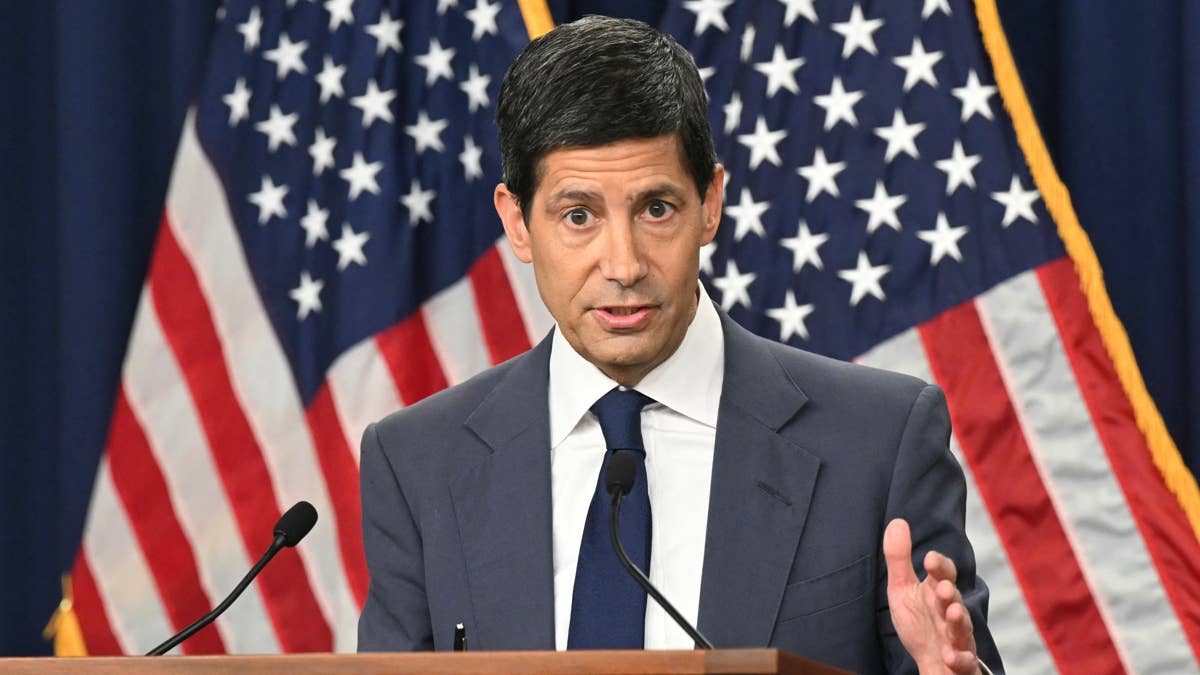
"No person or company is above the law," Attorney General Todd Blanche said after the verdict. Assistant Attorney General Tysen A. Duva said Huawei had built its global business on "fraud, theft, and deception" for more than two decades. US Attorney Joseph Nocella Jr. called the verdict "a step towards accountability." At trial, prosecutor Meredith Arfa told jurors that the tone "was set at the top by Huawei leaders and executives" who, she said, lied to Congress and banks, violated sanctions and tried to interfere with the investigation.
Huawei rejected the outcome. Its defense lawyer, Brian Heberlig, argued in closing that the banks knew about Huawei's business in Iran and were competing for its accounts, and that prosecutors had "cherry-picked" isolated episodes involving a few of the company's more than 200,000 employees to build a story of a 20-year conspiracy. "You can't steal a secret that isn't a secret," he told jurors, saying much of the allegedly stolen material was already public. He said Huawei paid billions of dollars in licensing fees, mostly to US companies, and that after Cisco code was found in its software more than two decades ago it recalled routers and built a compliance culture. After the verdict, Heberlig said the racketeering acquittal reflected that culture and that the company would "fully expect to appeal." In a statement on Wednesday, Huawei said the remaining charges were "equally without legal or factual merit" and that the five trade secret disputes cited by prosecutors were civil matters resolved years ago. It said it would take all necessary legal action to defend its rights. Chinese Foreign Ministry spokesperson Guo Jiakun said China "firmly opposes the U.S. suppression and containment of Chinese companies," and Chinese officials have accused the US of "economic bullying."
The case began in 2018 and became public that December, when Huawei chief financial officer Meng Wanzhou, the daughter of founder Ren Zhengfei, was arrested in Canada on a US warrant over allegations that she misled banks, including HSBC, about Huawei's ties to Skycom. After nearly three years fighting extradition, she returned to China in 2021 under a deferred prosecution agreement, in which she acknowledged that Huawei illegally did business in Iran; that statement was shown to jurors. The charges against her were later dropped. Separately, the US Commerce Department added Huawei to its Entity List in 2019, restricting its access to American technology, and Huawei has long been barred from selling equipment to US carriers. Despite those limits, the company has expanded into chipmaking and become a central player in China's artificial intelligence effort. It reported 880.9 billion yuan, about $126 billion, in revenue last year. Dexter Tiff Roberts of the Atlantic Council said the verdict is unlikely to slow Huawei and may strengthen Beijing's support for the company.
Reported by
- Fox Business: Federal jury convicts Huawei of stealing US trade secrets, violating Iran sanctions
- Fortune: Huawei convicted on 10 counts in U.S. trial, but verdict is unlikely to slow China’s ‘national champion’
- Business Insider: A US jury convicted Chinese tech giant Huawei of conspiring to steal trade secrets
- New York Post: Jury finds Chinese tech giant Huawei guilty of conspiracy to steal trade secrets
Get this email every day
Want the day's top story in your inbox each morning? Enter your email in the box below to sign up.
Other news / Full articles
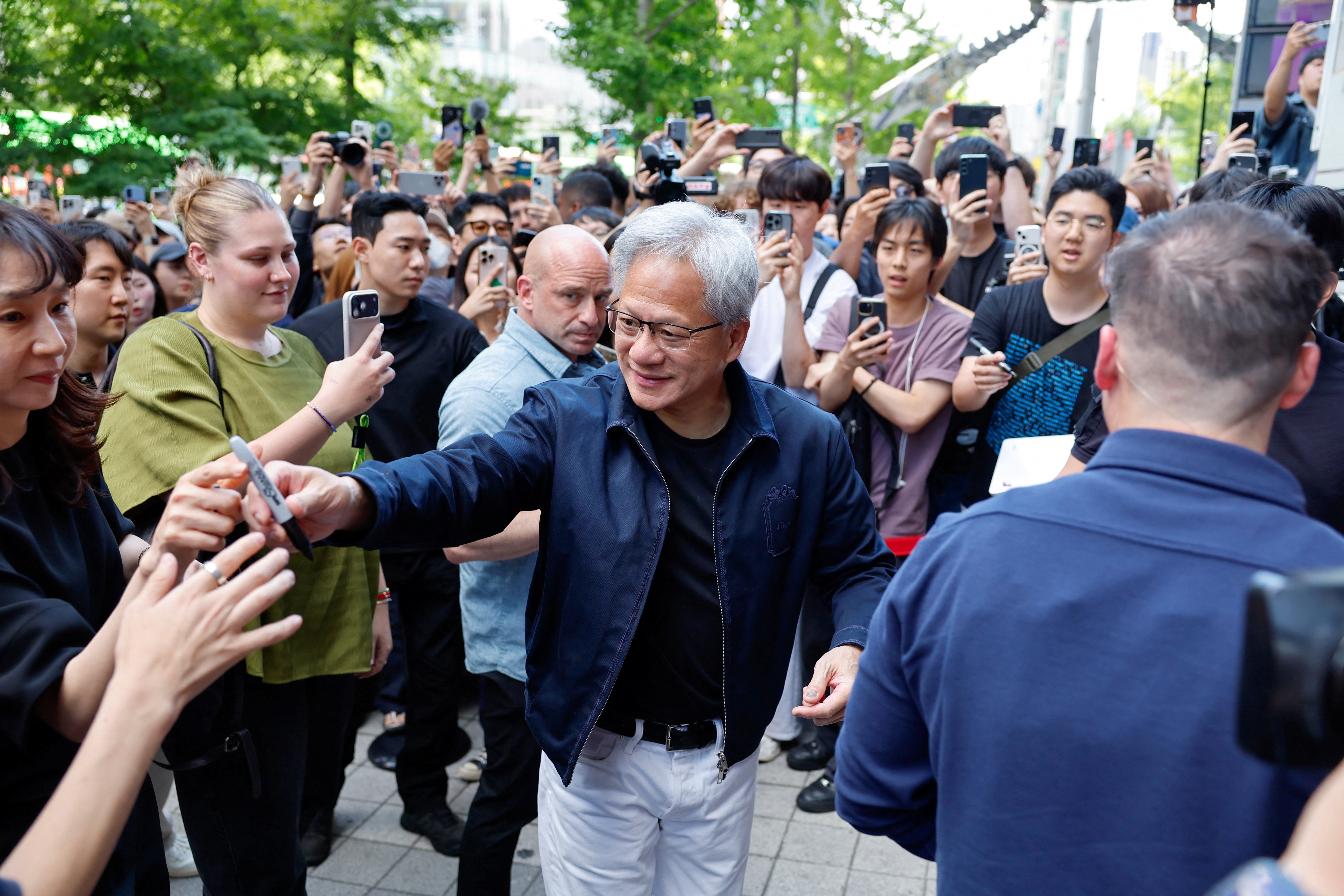
 Nvidia board reinstates Jensen Huang as CEO after Trump intervenes
 Thanksgiving dinner costs climb again as turkey prices reach record levels
 Nvidia and AI stocks slip as rally after Jensen Huang's return fades
 Lawmakers in both parties question Jensen Huang's return as Nvidia chief executive
 Nvidia board reinstates Jensen Huang as CEO after Trump intervenes
 Nvidia shares and stock markets surge after Jensen Huang returns as CEO