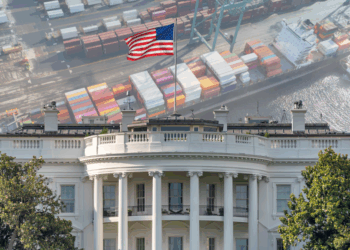
Remember the tariff debates that dominated Washington just a few months ago? For a while it was the only thing anyone seemed to talk about.
First tariffs were raised by eyewatering amounts. Then they weren’t. Eventually, after all sorts of back and forth, we saw tariffs imposed at the highest rates in decades. Free trade advocates warned of economic catastrophe, while protectionists claimed tariff revenue would fix the deficit. When immediate disaster didn’t strike, the issue seemed to fade – until now.
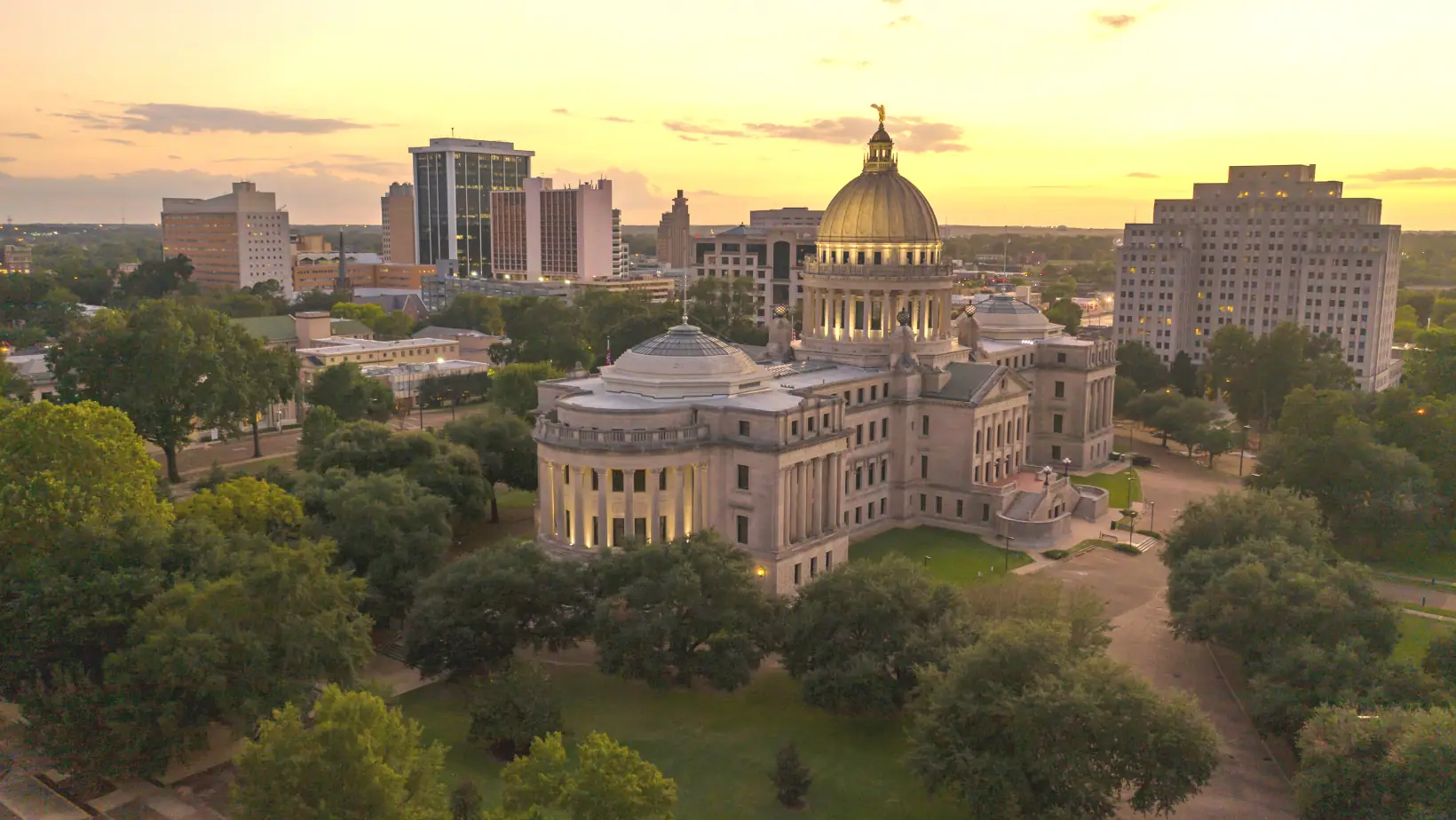
Two local stories that caught my eye this week suggest that we are going to hear a lot more about tariffs.
Agriculture is Mississippi’s largest industry, and soybeans the largest crop. Only a few days ago, U.S. Treasury Secretary Scott Bessent announced $10-15 billion in federal support for soybean farmers, including those in the Mississippi Delta. Why is the federal government having to support soybean farmers in one of the most fertile places in America? Exports have collapsed. China, which once bought over half our soybean crop, now purchases from Brazil due to steep retaliatory tariffs on U.S. soybeans, triggered by U.S. tariffs on Chinese goods.
In other words, federal funds are now bailing out farmers hurt by federal tariffs.
A second story that got my attention this week was about grocery prices. 53% of Americans say grocery costs are a major concern, with prices spiking last month at the fastest rate in three years. I couldn’t help also notice another news item about how coffee prices have jumped 20% in the past year, partly because of a 50% U.S. tariff on Brazilian coffee imports.
It is said that we often tend to overestimate the impact of new technology in the short term and underestimate the impact in the long term. I wonder if the same might be said of tariffs. The sky did not fall in when tariffs went up, but the lag effects of the historic hike are only just beginning to be felt by ordinary Americans.
There may yet be something in what the free traders keep trying to tell us. Defenders of free trade have been reluctant to speak up. I suspect that may be about to change. By the time of the midterm elections, I suspect millions of Americans will be feeling the effects of tariffs. Tariffs? We are going to hear a lot more about them than some people expect.
Tariffs – why we will hear a lot more about them
Related Posts

The federal tax-credit scholarship that runs without federal cash
The Educational Choice for Children Act (ECCA) represents a major shift in how…

Technological tools should never undermine the foundational principles of a free society
Conservatives Must Reclaim the Fourth Amendment from Mass Surveillance Every…

Illinois checks, balances? Not under Pritzker
As veto session begins and power goes back to the Democratic majority…

Illinois students could boost ACT scores with scholarships
Federal scholarships could give low-income students access to ACT tutors…
The high cost of finding breast cancer too late
Using Medicare data on cancer patients aged 66 and older, researchers calculated…

57% of Chicago’s payroll spending goes to pension debt
A history of financial mismanagement has left the city putting in 57% of…

Nuclear IS the answer
Last week, the Pew Research Center issued a report on popular support for…

Sarasota Herald-Tribune: Crying About School Choice Won’t ‘Save’ Sarasota’s Schools
Is the highest goal of K-12 education policy to produce great schools? Or is it…

Cellphone bans are all the rage, but do they work?
As cellphone restrictions in U.S. schools — and globally — continue to grow…
What trusted officials have to say about vote-by-mail
Our team of experts is available to answer questions about voting by mail…