Last week, the Department of the Interior finalized its 2025 Critical Minerals List, adding 10 new entries for a total of 60.
What’s a critical mineral?
There is a school of thought out there—and I’m sympathetic to it—that any mineral that the market demands is a “critical” mineral. It’s needed for something, and someone is willing to pay for it, so it’s critical.
The U.S. Geological Survey puts things more formally. A critical mineral is one “designated as critical” by the Secretary of the Interior because it:
- is essential to the economic and national security of the U.S.;
- has a vulnerable supply chain; and
- serves an essential function in manufacturing a product.
Being on the critical minerals list brings benefits, as the list “informs direct investments in mining and resource recovery from mine waste; stockpiles; tax incentives for U.S. mineral processing; and streamlined mining permitting.”
Notably, the USGS methodology weights the potential loss to GDP of disruptions with the median probability of the scenario occurring. 15 critical minerals already carry a 100 percent probability of supply chain disruption because their supply has already been disrupted by China — see, unfortunately, gallium and germanium, which saw export restrictions as early as summer 2023.
Ten new minerals join the list
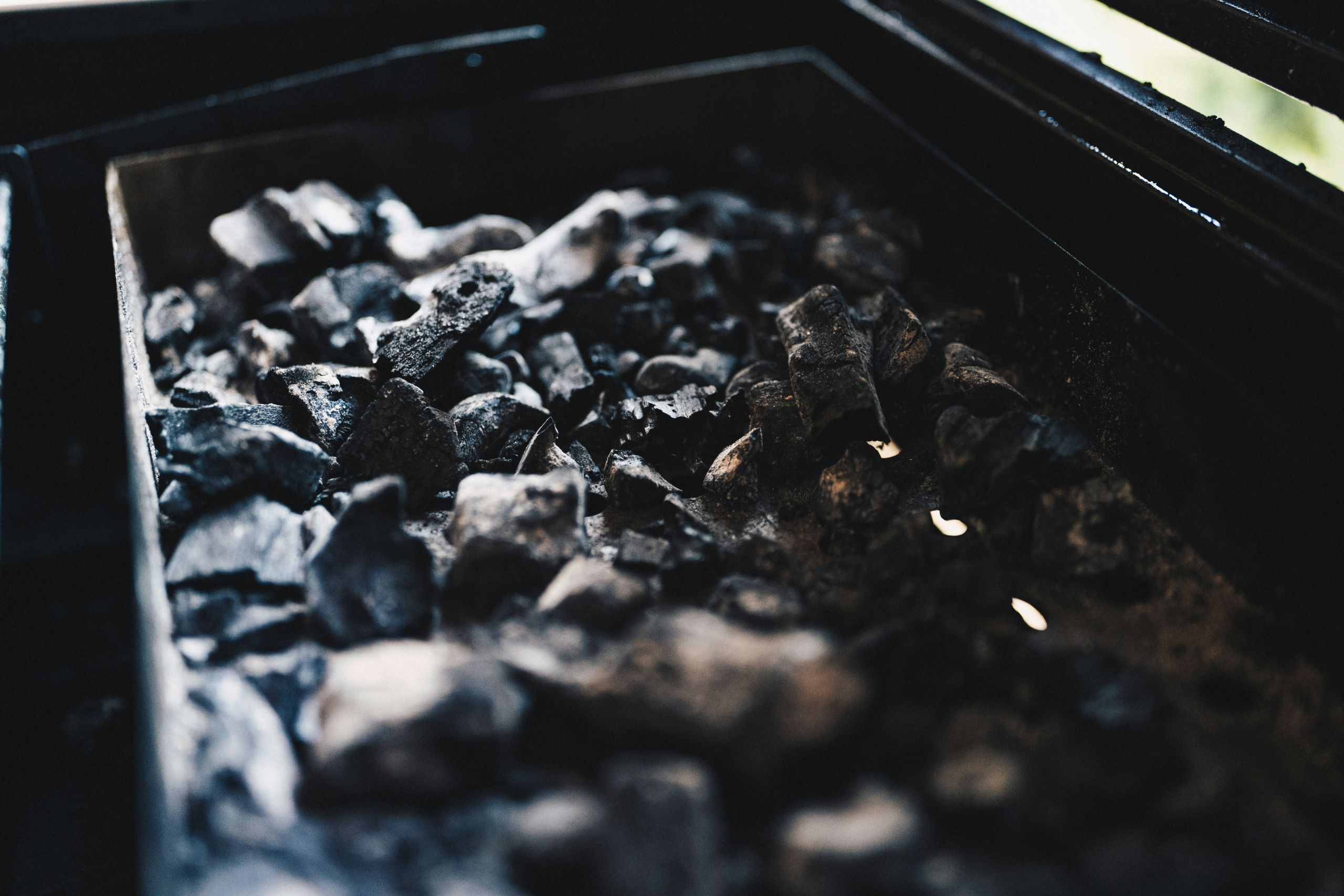
The final 2025 list adds 10 new minerals: boron, copper, lead, metallurgical coal, phosphate, potash, rhenium, silicon, silver, and uranium. The draft list, which was open for comment earlier this year, did not include boron, metallurgical coal, phosphate, or uranium. However, executive orders required metallurgical coal and uranium to be considered for inclusion, and both were ultimately added.
Metallurgical coal is used to make coke fuel for steel production, and Reuters reports that “some U.S. met coal mines have shut in recent months amid ample supply and a reduction in exports to China, which put an additional 15% tariff on imports of U.S. coal this year.” As far as uranium is concerned, in 2023, U.S. nuclear generators imported 99 percent of the uranium concentrate they used for fuel. Both potash and phosphates are used as fertilizers around the world.
The Department of Energy has long considered copper as one of its “critical materials,” for energy production. Reconciling the two lists is a natural step to ensure that copper mining has access to the same domestic production incentives that are only granted to items on the DOI list. The USGS included copper because, while the U.S. is a net exporter of copper ore, the U.S. is dependent on refined copper for products.
The first list was created in response to a 2017 executive order, and the list is required under the Energy Act of 2020 to be reviewed at least every three years. The Interior Department’s press release promises that updates will be made “at least every two years to reflect evolving circumstances.”
That’s the right approach, given how fast global supply chains shift and how crucial secure mineral access is to U.S. industry and national security.