Five days before the longest shutdown in U.S. history, the Government Accountability Office (GAO) sent a report to Senator Amy Klobuchar highlighting the exploding problem of SNAP (food stamp) fraud and improper payments, which cost taxpayers over $10 billion per year. Regulators were advised to tighten the program’s eligibility checks and fraud detection and were given recommendations for how to accomplish that. The shutdown slowed those very payments and, in so doing, brought more attention to a program begging for greater scrutiny.
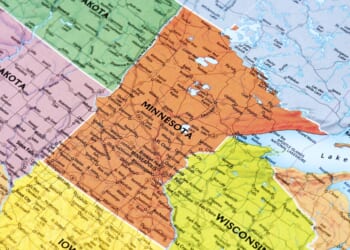
Rep Pam Altendorf, (R-Red Wing) highlighted a 174% increase in SNAP benefits in Minnesota in only one year as a red flag for fraud. Altendorf noted that Minnesota was one of 21 states who did not share requested SNAP data with the federal government. State officials chalk up the huge spike to accounting errors, despite the huge jump remaining on the books for years, with current totals still over twice pre-pandemic levels.
Nothing to see here?
SNAP cards are often stolen, but the fastest-growing forms of theft and waste involve the theft of digital access to the account without the beneficiary knowing it has happened. When a thief “skims” a SNAP card, they attach a device to surreptitiously steal the cardholder’s identification number and PIN to be used later online to access funds.
Cards are also cloned using equipment to write card information onto blank magnetic-stripe cards. Thieves then reload benefits onto the cloned cards. Phishing scams are also used to rip off cardholder information and steal benefits. But the most difficult thief to catch is one who steals the identity of a beneficiary and then applies for public benefits like Medicaid and SNAP. Identity-related crime now represents over half of all SNAP fraud losses. While in-person purchases represent 46% of all SNAP transactions, they account for only 36% of all fraud cases—and that disparity is increasing.
A decade ago, news reports of SNAP fraud would feature unscrupulous store owners offering cash to cardholders for fake purchases made in their stores. Others would highlight stolen cards. With the skyrocketing use of online purchasing and the proliferation of online bots that target vulnerable victims, online fraud is growing quickly.
Feeding Our Future and SNAP
Before the GAO report came out this summer, American Experiment predicted that SNAP fraud could easily be a bigger problem for Minnesota than the $250 million Feeding Our Future scandal. Both frauds thrive because the service is removed from direct accountability at the point of transaction.
In fact, Ousman Camara, 45, of Minneapolis, was indicted for claiming to have served 300,000 meals to children from K’s Grocery, a small deli and grocery, as part of the Feeding Our Future program. In August 2015, the USDA kicked Camara and his store, K’s Grocery, off the Supplemental Nutrition Assistance Program’s (SNAP’s) approved vendor list due to suspected fraud.
The state needs to adopt anti-fraud measures to flag suspicious transactions, strengthen eligibility checks and crack down on fraudsters. System wide, Altendorf points to a little more common sense vigilance. “When you increase a program expense by more than $1 billion in four years, especially in this state, it just reeks of another potential undiscovered fraud.”
More to follow…