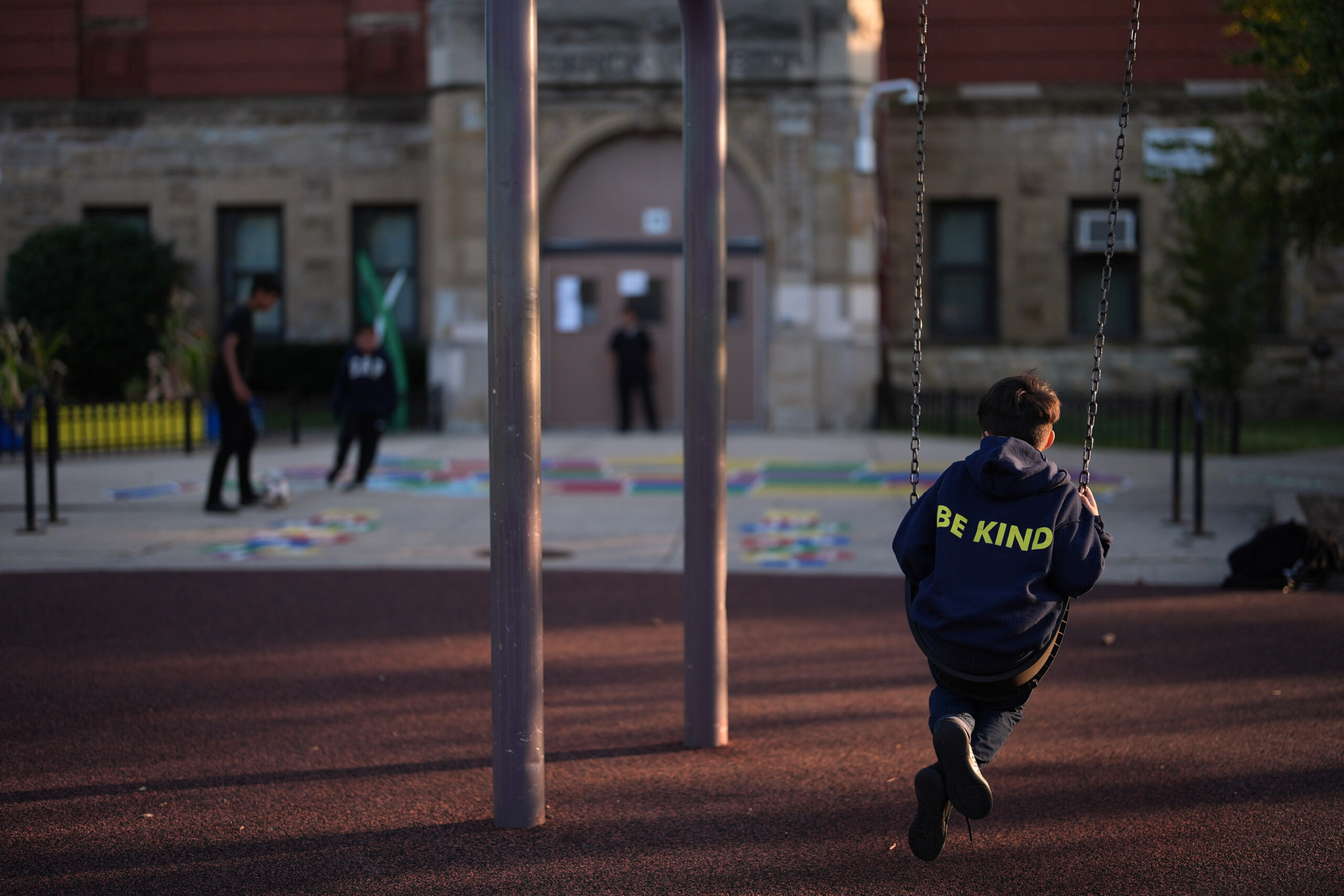
One-in-four Illinois public school students were chronically absent in the 2024-2025 school year. It is contributing to Illinois’ low academic proficiency.
Chronic absenteeism continues to be an issue in the Illinois public school system with 1-in-4 students chronically absent this past school year.
Absenteeism skyrocketed after pandemic-era school closures, but it continues to remain stubbornly high. The issue is acute among Illinois’ low-income and minority students.
Chronic absenteeism isn’t just a statistic: it’s a warning to all Illinois parents that their child’s educational success is at stake.
Chronic absenteeism stayed high after the pandemic
Chronic absenteeism is when a student misses 10% of school days within an academic school year, with or without a valid excuse.
Chronic absenteeism dropped by nearly one percentage point last year, marking the third year it had declined. But modest yearly declines have not been enough to return Illinois to pre-pandemic levels.
In the 2018-2019 school year, the last full school year before pandemic-era school closures, 17.5% of Illinois students were chronically absent. That rate skyrocketed in the 2021-2022 school year to nearly 30%.
While absenteeism is slowly declining, it still stands nearly eight percentage points above pre-pandemic levels.
Illinois students aren’t the only ones recording high absenteeism post-pandemic. In the 2021-2022 school year, absenteeism peaked nationally with an estimated 31% of students chronically absent. Estimates show roughly 22% of students were chronically absent nationwide in the 2024-2025 school year.
Illinois 12th graders recorded the highest rates of absenteeism
Absenteeism was worst among Illinois high school students, specifically seniors, in the 2024-2025 school year. Illinois’ 12th graders recorded the highest rate of absenteeism at 41.5%, followed by 11th graders at 35.1% and 10th graders at 32.4%.
Twelfth grade is also the only grade in which absenteeism increased compared to the previous school year by half of a percentage point. Every other grade recorded a small decrease in absenteeism, with kindergarteners recording the biggest decrease with three percentage points.
Low-income and minority students record higher absenteeism
The issue of absenteeism was even more acute among Illinois low-income and minority students.
The report card showed 35.1% of low-income students were chronically absent last school year.
Hispanic students had a 31.7% rate of absenteeism, while Black students recorded a 39.3% rate.
During the past four years, Black students have consistently ranked with the highest rate of absenteeism. American Indian and Hispanic students followed close behind with continuous high levels of absenteeism as well.
Chronic absenteeism leads to lower student outcomes
Parents ought to be concerned about the continued high rates of chronic absenteeism in Illinois’ public schools as research shows chronic absenteeism leads to poor student outcomes such as low reading and graduation rates.
Research from the Department of Education suggests “children who are chronically absent for multiple years between preschool and second grade are much less likely to read at grade level by the third grade.” Third grade is a critical reading milestone for students: if a child has not learned to read by the end of third grade, that child is likely to struggle throughout his or her education. Illinois already has a literacy crisis among its third graders, and student absenteeism threatens to worsen it.
Additionally, students with even just one year of chronic absenteeism are seven times more likely to drop out of school, with some research suggesting chronic absenteeism might even be a stronger predictor of graduation rates than test scores. In the long run, students who experience chronic absenteeism often end up with long-term consequences such as earning less than the average individual and poorer health.
Illinois must address the issue of chronic absenteeism
Absenteeism in Illinois public schools has been too high since the pandemic. While all students’ attendance rates have been affected following the pandemic, the problem is even more acute among low-income and minority students.
Seventeen states have recently committed to helping decrease absenteeism by 50% through strategic action, long-term goals and a willingness to revise ineffective legislation.
Illinois leaders and school board members should join those states and commit to ensuring students are engaged in their learning. Reducing chronic absenteeism needs to be an Illinois priority.