This summer, Congress passed The Educational Choice for Children Act (ECCA) as part of the One Big Beautiful Bill Act. The ECCA allows every taxpayer nationwide to gain up to $1700 in tax credit when they donate to a scholarship granting organization (SGO).
While every taxpayer is eligible to donate to an SGO in any state, only SGOs in some states will receive money. That’s because governors must authorize SGOs to operate in their respective states by submitting a list of approved SGOs to the U.S. Treasury Department by January 1 each year. This additional step of verification means that governors have the ability to exercise their discretion as to whether or not the scholarship money is a good choice for their state.
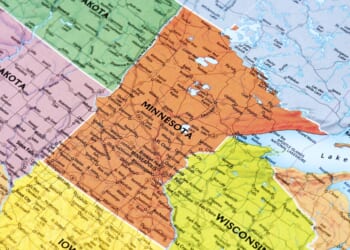
Scholarship granting organizations can serve students attending private schools, but they can also offer a cash boost to public schools. For example, in Minnesota, parent-teacher organizations already consistently raise funds for public schools. Purchases range by district from classroom supplies to entire salaries for new staff. Similarly, SGOs could provide additional extracurricular opportunities or academic support services to students in public schools.
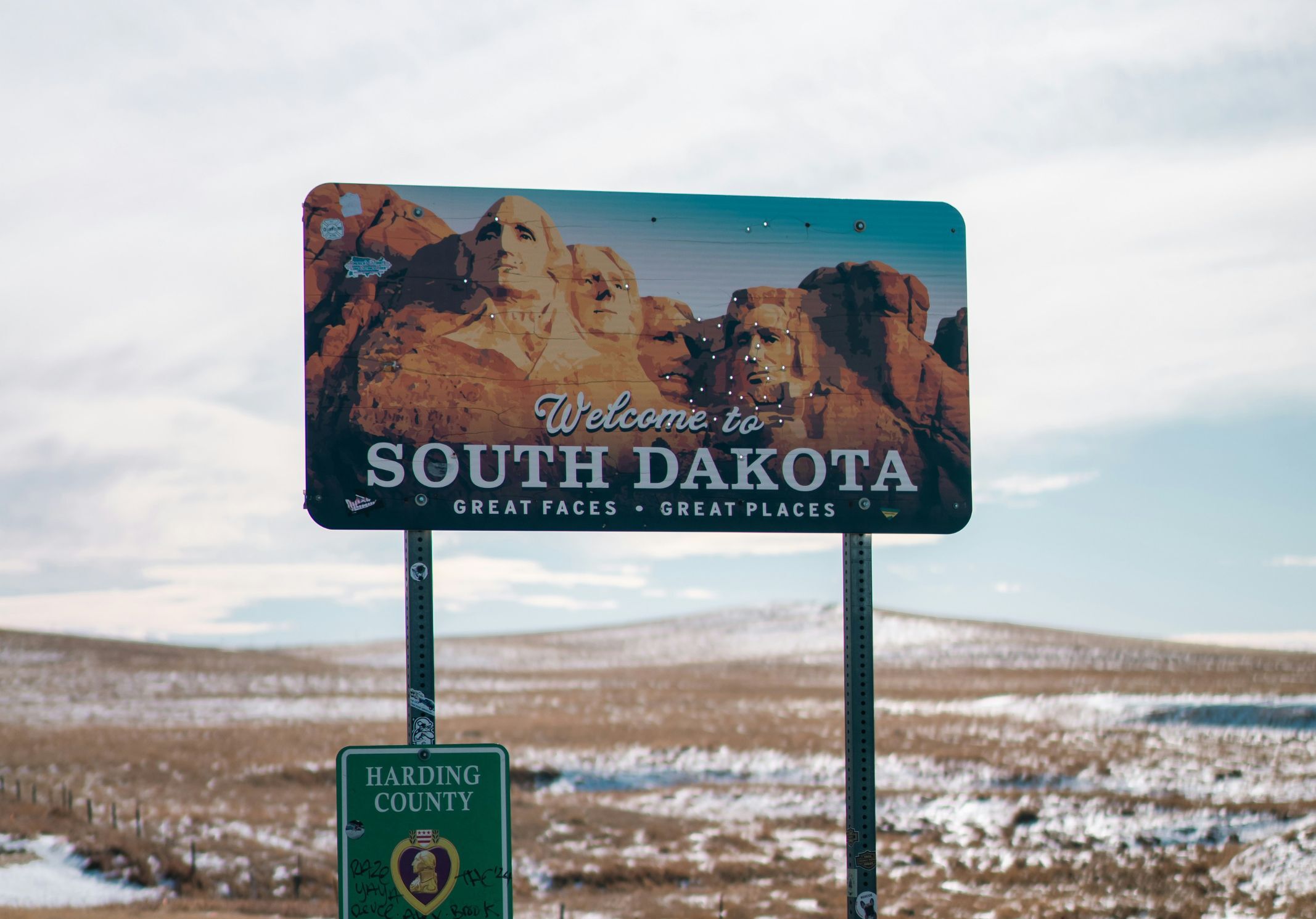
On Friday, South Dakota Gov. Larry Rhoden announced that the state would be the fourth state in the country, after Nebraska, North Carolina, and Tennessee, to commit to President Donald Trump’s federal education tax credit program.
For Rhoden, opting into the federal tax credit program was a decision largely made around expanding school choice initiatives. South Dakota already has an existing tax credit program, which allows insurance companies to donate up to a total of $5 million to a private school scholarship program for students whose families have low incomes. Rhoden noted that the two tax programs would “pair well” with one another.
Education news outlet The 74 quoted Rhoden. “I’d just as soon give those dollars to a private school than Uncle Sam. I think they know how to spend it a little wiser than the federal government.”
Some states have already decided that the tax credit program isn’t right for them. Officials in Oregon, New Mexico, and Wisconsin have publicly noted that their states will not be participating. Critics of the ECCA, including a Brookings scholar, have argued that more accountability against fraud is necessary. Additionally, a public rumble with the Trump administration is likely weighed carefully in some state officials’ calculus to opt out of the program.
Currently, the tax credit isn’t available for taxpayers until 2027. By then, the U.S. Department of Treasury is expected to issue proposed rules detailing the program’s operation.
Minnesota has not yet opted into the tax credit program. For more information about Minnesota’s tax credit opportunity, visit this page.