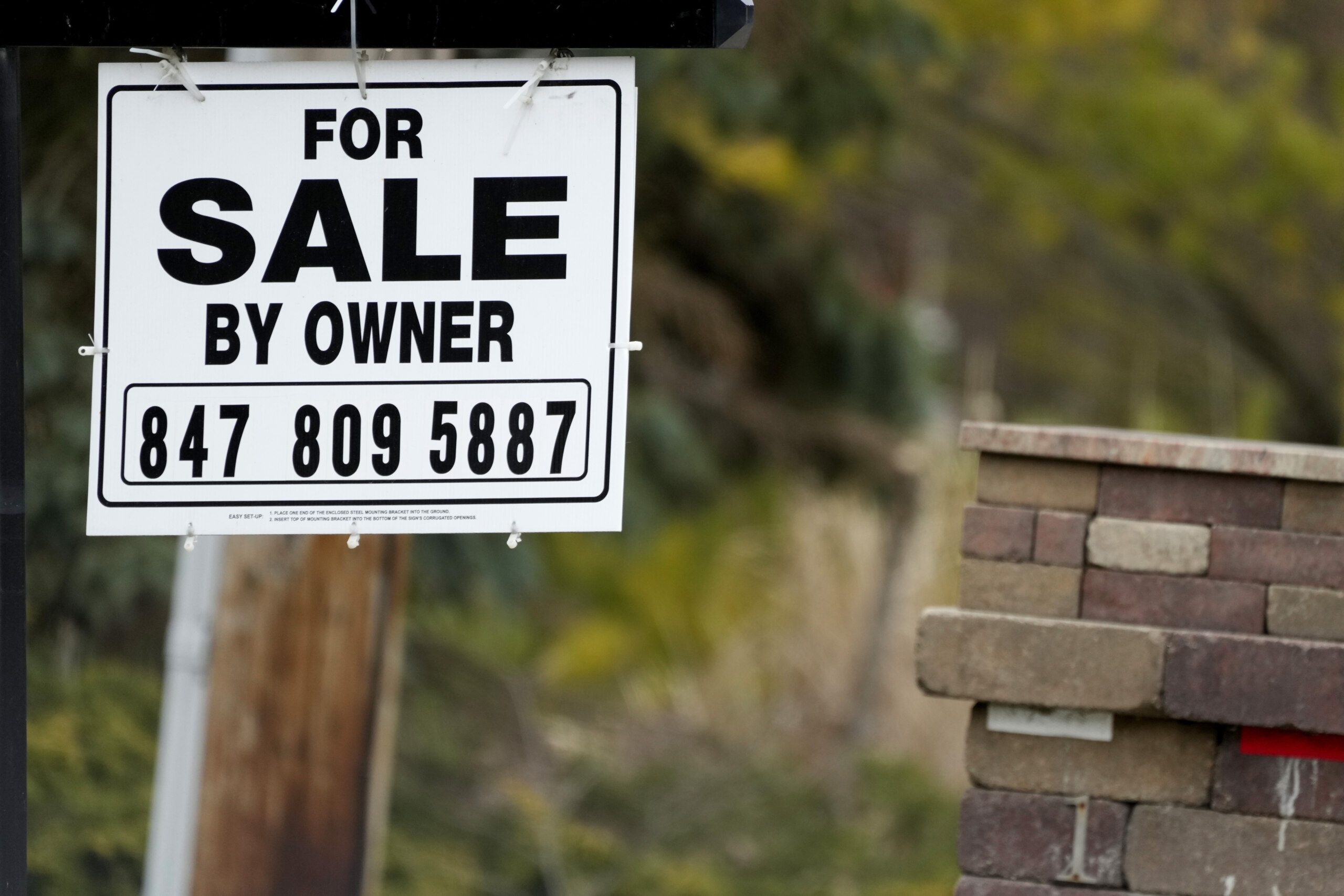
Illinois home prices have jumped nearly 50% since 2018 while available housing hasn’t recovered since the pandemic, creating a housing shortage.
During the past six years, it’s become much harder and more expensive to find a home in Illinois.
According to Zillow’s Home Value Index, the typical Illinois home that cost $188,109 in October 2018 now sells for $279,761. That’s a 48.7% increase.
Families looking to buy today need thousands more for down payments and face much higher monthly mortgage costs than they would have just a few years ago.
The pain isn’t spread evenly across the state. Some communities have been hit particularly hard.
Sauk Village has seen list prices more than double, jumping 162.3% since 2018. Ford Heights saw a 139.9% increase, while Harvey has experienced a 113% spike.
The main driver behind these skyrocketing prices is simple: there just aren’t enough homes available to buy. Zillow data shows all 26 Illinois metro areas that they track have fewer homes for sale now than they did in March 2018.
Chicago had 38,581 homes available in 2018, but that number has crashed to just 23,981 this year – a 38% drop. Even more concerning, 14 Illinois metro areas have seen their available housing shrink by even larger amounts.
This inventory shortage creates fierce competition among buyers, driving prices higher as families bid against each other for the few homes that do come on the market.
Realtor.com reports the state currently has just 42% of the active housing listings it had before the pandemic began.
To put that in perspective, the national average sits at 90%, meaning most of the country has nearly recovered their pre-pandemic housing supply. Illinois remains stuck with less than half. This massive gap helps explain why Illinois families are struggling more than residents in other states to find affordable homes.
The obvious solution would be building more homes, but Illinois metro areas continue to construct new housing at disappointingly low rates. They are failing to meet the growing demand from families looking to buy.
The housing shortage plaguing Illinois isn’t a natural disaster or economic accident. It’s largely the result of government policies that make it artificially difficult to build new homes. Restrictive zoning laws across the state prevent developers from constructing the housing Illinois families desperately need.
Making matters worse, Illinois carries the unfortunate distinction of having the highest property tax rates in the nation. Crushing tax bills eat into family budgets, leaving residents with less money available for housing costs while simultaneously discouraging new construction.
State and local leaders have concrete steps they can take to address this crisis. Communities could allow greater housing density, such as duplexes, triplexes and other flexible housing arrangements. They could legalize accessory dwelling units, creating more housing options for young professionals starting their careers and older residents looking to downsize.
Cities could reduce the amount of land they require for a single-family home, which experts estimate could lead to the state building 10,000 more units each year.
Recently, the state lifted minimum parking requirements near transit, which is expected to give developers the flexibility they need to lower rents where parking isn’t needed. In these same transit-oriented areas, permitting 8- to 10-unit buildings would allow for more density.
While these zoning reforms would help increase housing supply, they won’t solve the complete issue unless Illinois also tackles its property tax problem. Families who do manage to buy homes need to be able to afford keeping them, which requires serious government budget reform and property tax relief alongside the regulatory changes.