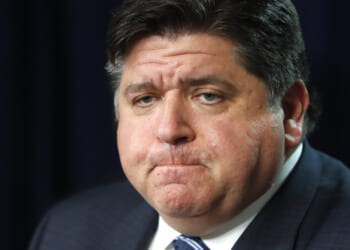
Colorado Democratic Gov. Jared Polis has recently announced he intends to opt his state in to the new federal tax-credit scholarship program.
The announcement places fresh attention on how other Democratic governors may respond, as it marks another notable departure from the party’s traditional skepticism toward school-choice initiatives. (North Carolina Democratic Gov. Josh Stein has also announced he intends to opt his state in.)
Gov. Tim Walz has yet to formally announce a decision for Minnesota, but it’s a decision that will require him to weigh the political risks and potential benefits of tapping dollars that don’t cost the state a cent to expand educational options for families.
Under the new law, donors will get a federal tax credit (up to $1,700) if they donate to scholarship-granting organizations; those organizations can then use the funds to help students — in public or private schools — pay for tuition, tutoring, special education therapies, or supplemental or enrichment learning opportunities, to name a few.
According to calculations by the Education Reform Network (ERN), a national nonprofit think tank organization, over $487 million in scholarships for students is at stake if just 30 percent of eligible Minnesota taxpayers participate.
Declining the program would not only forfeit these dollars for student education services, but it would send philanthropic dollars to scholarship programs in other states. (If Gov. Walz chooses to not opt Minnesota in, Minnesota taxpayers would still be eligible for the tax-credit by donating to a scholarship granting organization in a state that opts in.)
By embracing the program and framing it as a pragmatic way to capture federal incentives for tutoring, enrichment, and other supplemental learning supports, Gov. Polis and the other governors who have noted they intend to opt their states in have shifted the debate from ideological purity to practical benefit.
The move adds to visible pressure on other Democratic leaders to explain whether they will follow Colorado’s lead or risk leaving potential scholarship dollars on the table, making their resistance appear more ideological than student-centered. What will Gov. Walz decide?