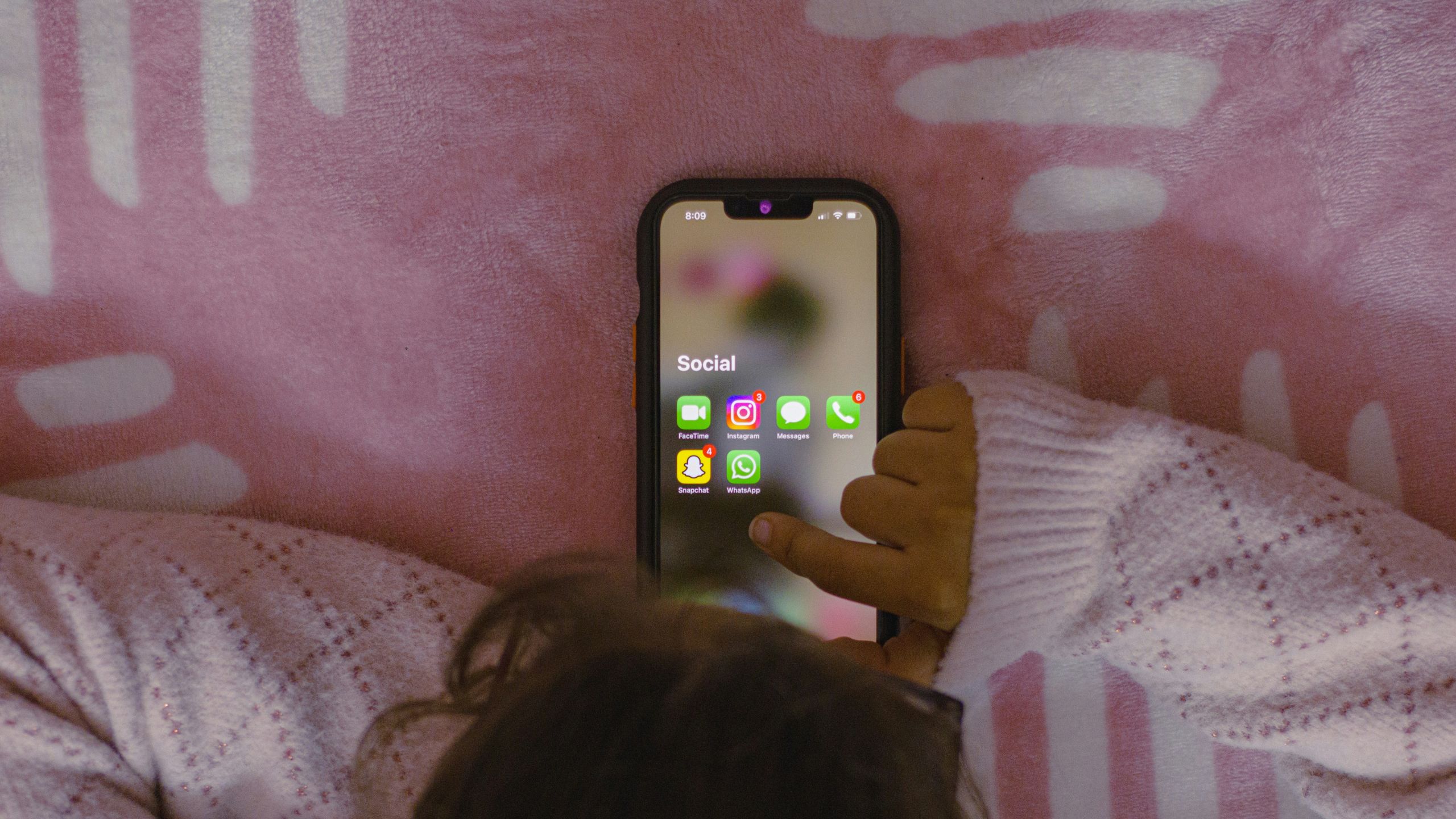
A sprawling lawsuit with over 2,000 plaintiffs, including 1,200 school districts, alleges that Big Tech (TikTok, Meta’s Facebook and Instagram, Snapchat, and Google’s YouTube) deliberately exploits children’s attention for profit. It also alleges that the resulting business strategy, revolving around the manipulation of children’s minds, has fueled a mental health crisis and destabilized schools ever since the advent of the technology.
The social media companies are attempting to get the case thrown out before it proceeds to trial. A crucial hearing next month will decide the case’s fate.
The high societal cost of Big Tech’s largely unhindered access to America’s children has been widely discussed, but no real moves towards harm mitigation have been considered. In contrast to other Western countries, like Australia, which recently banned social media for children under 16, the United States has proven reticent to use the levers of government power to regulate social media companies.
Researcher Johnathan Haidt, author of The Anxious Generation, has spent much of his recent career warning parents of the intense harm that unchecked social media use can inflict on a young child’s cognitive abilities. (In fact, Australia’s recent social media ban is inspired in part by Haidt’s work.) He’s not optimistic that the United States government, enjoying enormous amounts of Big Tech lobbying dollars, will intervene. However, he strenuously argues that the social media industry needs significant guardrails. In a recent interview, he said:
One way to think about what happened is we allowed some of the biggest, richest, most powerful companies to test their products on our children with no guardrails, no control condition, and legal protection against liability. Do whatever you want to our kids. If they get depressed and kill themselves, you’re off the hook…
The intense drop in child and teen mental health, attention span, and even academic performance, Haidt argues, can largely be traced back to the 2008 advent of the App Store and Big Tech’s subsequent march towards attention dominance.
Haidt is not alone in his concerns. The lawsuit represents school districts, parent advocacy groups, and state attorney general’s offices, all of which have seen their communities change for the worse after Big Tech’s growth.
Parents, many of whom didn’t grow up with technology, often cannot adequately protect their children against digital headwinds in a world where accessing friendships, textbooks, and information requires a smartphone or laptop. While individual parents have found the ability to resist Big Tech’s power through movements like the Wait Till 8th pledge, digital technology is now structurally interwoven into the fabric of our society. This structural problem will require solutions crafted with Teddy Roosevelt’s trustbuster spirit.
It’s been known for some time that social media use in teens and preteens is connected to depression, anxiety, sleep issues, social malaise, and sometimes even suicidal ideation. AI chatbots created by Meta and other companies have, on multiple occasions, successfully convinced minors to kill themselves. Children who are in no danger of suicide still suffer cognitively from exposure to the technology. Recent research suggests that even slight social media use is connected to poor memories and low literacy rates.
The digital world leads children vulnerable to political extremism, endless marketing, and perverse sexual or violent content. One survey study found that one in six children under 18 have been victims of online sexual abuse; another survey study found that 98 percent of adolescents had been exposed to pornography, with at least one third experiencing exposure before age 10. Such exposure warps assumptions about healthy sexuality, possibly for the entirety of a child’s life. (Swayed by these concerns, Texas now requires age verification for online pornography sites.)
The issue for many parents, however, has shifted from what their children are consuming to how often they’re consuming it. Digital tools like YouTube’s Autoplay, infinite scrolls, and personalized cell phone feeds create addictive spirals. Much of what’s being done on a social media app is now passive content consumption, not creative connection. An American teenager spends an astonishing 4.8 hours of time on social media every day. That includes time in class; on average, a student is on their phones during an entire quarter of the school day.
Tech companies, the lawsuits alleges, created the addictions on purpose. Insider documents from Snapchat, YouTube, Tik Tok, and Meta disclosed by the suit suggest that every social media company had major private concerns about the societal results of their technology — and kept pushing for market dominance anyway. From The Free Press:
One Meta employee allegedly said that officials needed to “optimize” for kids “sneaking a look at your phone under your desk in the middle of chemistry.”
“IG [Instagram] is a drug,” one Meta user-experience researcher wrote to another researcher, the suit claims, adding that the researcher said, “We’re basically pushers.”
So far, tech companies have successfully relied on free speech defenses connected to Section 230 of the Communications Decency Act of 1996 to shield them from liability. The current interpretation of that law treats the companies as platforms for third-party content, rather than publishers of the content themselves. After Texas’ June Free Speech Coalition v. Paxton pornography age verification win, the door has been opened to more significant accountability.
If the judicial tides turn, however, teachers and school administrators might cheer.
Schools are struggling to educate this decade’s influx of digitally-addicted students. Pleasure reading, test scores, and cognitive ability are all down — and while it’s worrying that all those metrics are down, it’s even more worrying that they’re down significantly. Students spend a quarter of the school day affixed to their phones, and administrative confrontation can lead to disciplinary issues. The majority of high school teachers (72 percent) told Pew Research that distractions from cell phones are a major problem.
How can educators maintain high academic standards when students are addicted to an experience that numbs their brain capacity? There’s an easy first step: remove the addiction device.
Banning social media isn’t the silver bullet that will fix our schools. Yet given the significant, obvious harms associated with a childhood donated to Big Tech, it seems a reasonable place to begin. Many states have banned cell phones in schools, but Minnesota has allowed each district to set its own policy. Common-sense legislation like universal cell phone bans and age verification on pornography sites, or even public health campaigns warning families about the dangers of technology can shift our social norms to a healthier, more thoughtful place.