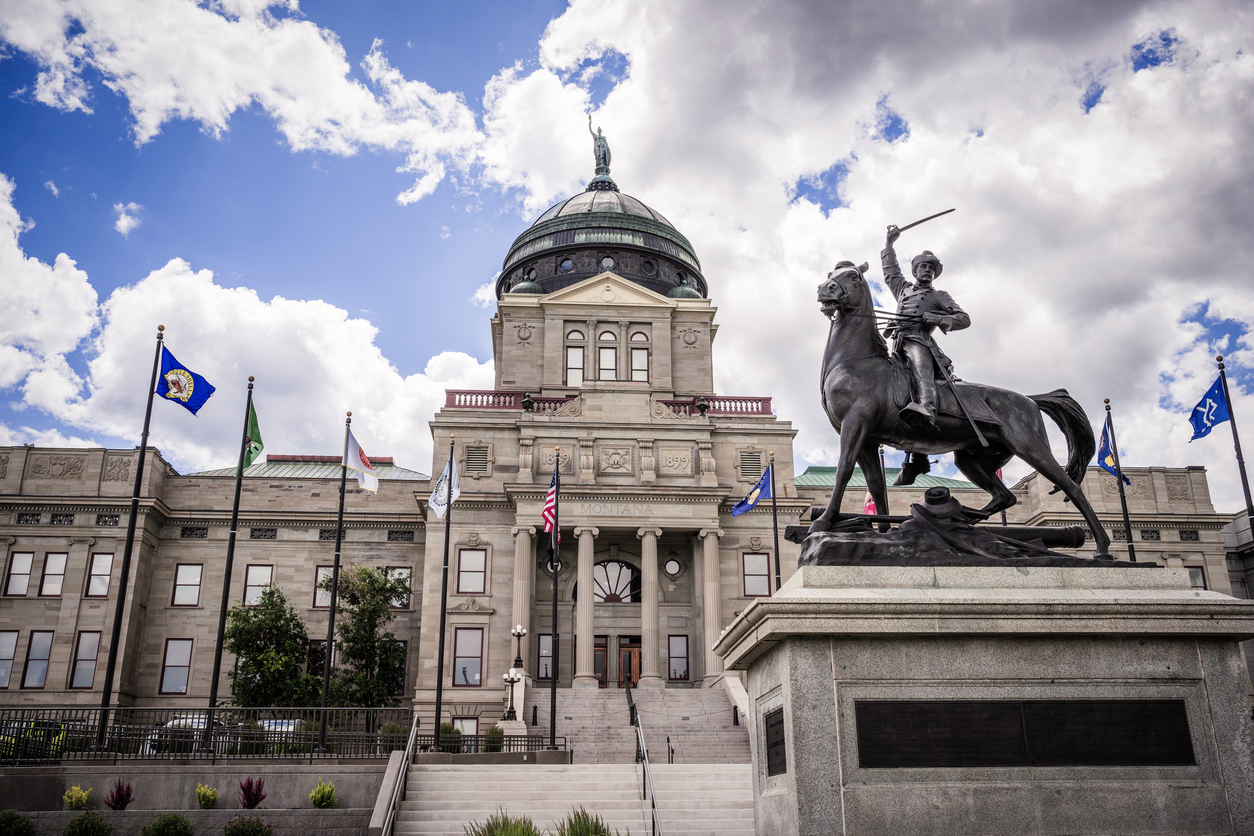
It may seem obvious, but budding entrepreneurs shouldn’t need permission from their prospective competitors to start a business—but that’s exactly what happened in Montana. Now, in a major victory for the fundamental right to earn a living, the Montana Supreme Court has agreed that a local businessman can challenge a state licensing law that allows entrenched businesses to weaponize government power to block upstarts from competing against them.
The ruling comes after the Goldwater Institute submitted a friend-of-the-court brief urging the court to allow businessman Parker Noland to challenge Montana’s Certificate of Need (CON) law—a statute that empowers the government to reject new businesses if it decides they’re not needed—on the grounds that it violates the Right to Pursue Life’s Basic Necessities clause in the state’s constitution
When Parker formed a construction debris-hauling business in northwest Montana, he was promptly served with a cease-and-desist letter from the Montana Public Service Commission ordering him to stop all activities. The problem: Parker hadn’t received permission from other debris-hauling companies to start his business.
Montana’s CON law made it illegal for Parker to operate his business unless he first completed a lengthy and costly process that allowed his would-be competitors to veto his livelihood.
CON laws like Montana’s empower existing businesses to restrict competition by blocking new entrants to the market. Governments often use these laws to block healthcare companies from building new facilities on the grounds that they would provide duplicate services that aren’t needed. But what CON laws really do is monopolize industries, increase costs, and limit innovation and consumer choice, all without any genuine connection to public health and safety.
Montana’s law was no different—it allowed the Public Service Commission to determine whether the public “requires” a new debris-hauling business, giving other hauling companies the opportunity to object to Parker’s business. But that violates both the Montana and United States constitutions, so our friends at the Pacific Legal Foundation filed suit.
Rather than enduring the expensive and time-consuming application process, Parker challenged the unconstitutional competitor’s veto. However, a Montana court said he didn’t have the right to challenge the law.
The case was appealed to the Montana Supreme Court, which agreed with Goldwater and PLF, and is allowing Parker to vindicate his constitutional right to earn a living.
“This ruling is bigger than one man or one industry. It sends a message across Montana that the government cannot pick winners and losers by allowing competitors to veto newcomers,” said American Freedom Network pro bono attorney Walter Clapp.
This is a major win for Parker who can continue his fight against the illegal junk-hauling CON law and have a fair chance to earn a living. It’s also a victory for all hardworking Americans who want to start a business and serve their communities without being required to beg their competitors for permission.
Stacy Skankey is the American Freedom Network Litigation Director.