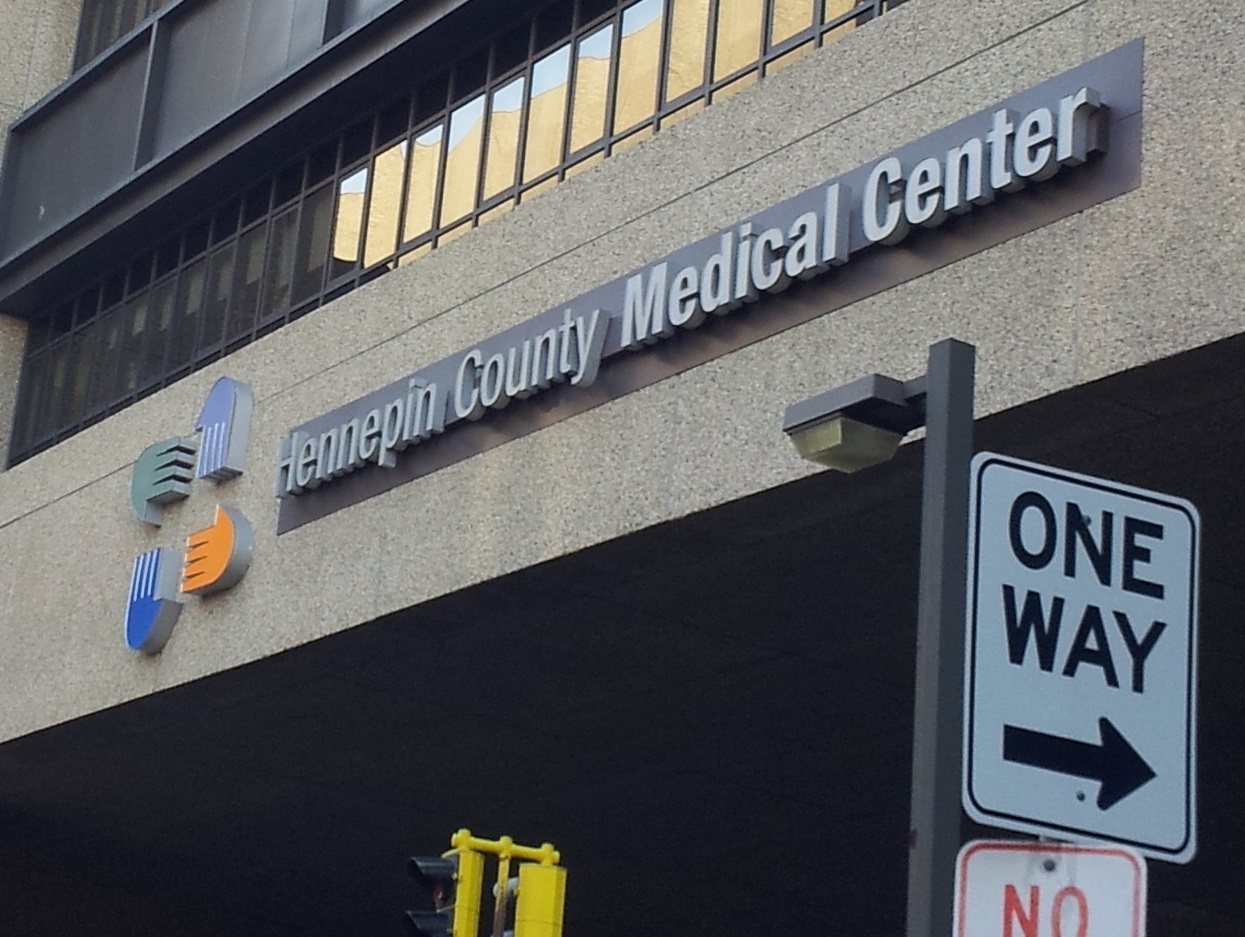
Many rightly admire the dedication of doctors and nurses at Hennepin County Medical Center (HCMC). They save lives daily in one of the nation’s busiest safety-net hospitals. But their recent protest against ICE agents—braving frigid January winds to decry immigration enforcement as a “public health crisis”—would be more appropriate in the Minneapolis theater district a few blocks away.
The protest, led by the public employee union SEIU, claims ICE’s presence terrifies patients, deters care, and interferes with treatment. Yet the Department of Homeland Security is clear: ICE doesn’t conduct enforcement in hospitals, entering only for public safety reasons, like accompanying injured individuals in custody. No routine arrests occur in medical settings—period. An Immigration and Customs Enforcement (ICE) memo “Enforcement Actions at or Focused on Sensitive Locations” makes this clear.
Now say for example that when agents in Minneapolis apprehended Blayon Yuoh, a Liberian convicted of robbery, rape – strongarm, sex assault, and assault, that he sprained his wrist and needed medical attention. The residents and nurses at HCMC would justifiably be worried if ICE agents put a bow on his head and dropped him off in the ER and drove away rather than hang out with him and keep him cuffed. The staff at HCMC are not more afraid of ICE agents than Blayon, but a very small few pretend to be.
Nurses and doctors who have spent any time in a large hospital have seen patients handcuffed when they are accompanied by law enforcement. Jails and prisons transfer inmates for medical procedures all the time. Cops often accompany arrested suspects into the hospital for evaluation and treatment. They do this to protect the hospital staff and patients.
An agent reportedly said he “could not be doing any better” while guarding a patient’s room; agents supposedly questioned staff about accents, origins, or appearance, making workers (especially international medical graduates reliant on public transit) feel profiled or unsafe, leading some to carpool. This story is a serious accusation that on its face is preposterous. No follow up. No name of accused, or victim, just hearsay that lands directly in the story, unverified.
But Minnesota is in the center of a national debate and accusations drive clicks. So, protesters are useful standing outside, but doctors freezing in white lab coats are even better. During the COVID-19 pandemic, protests featured nurses in scrubs on the streets with tough signs telling us to “Stay Home and Mask Up!” I remember one of them turned out to be not a nurse, but the boyfriend of a nurse. He borrowed her scrubs to wear as a costume. And of course that is the point. The narrative is what is important, not the truth.
This year, some nurses have turned to violence. One was fired after she suggested nurses poison ICE agents using a “sabotage tactic, or at least scare tactic… grab some syringes with needles on the end…Have them full of saline or succinylcholine.” Other nurses are going beyond TikTok. ICU nurse Alex Pretti, was filmed asking agents to attack him, kicking out the taillight of their Yukon, and resisting arrest. He appeared to be armed with the same pistol he had when he died in a confrontation ten days later with ICE agents.
Doctors donning white coats for rallies (even when they actually are real MDs) have become a tired trope for the left. Medicine demands impartiality—treating all, regardless of status. By aligning with partisan causes, amplifying fears without evidence of harm. Reports show no no actual harm caused to staff by agents, or surge in missed appointments tied to ICE; instead, Minnesota’s real crises—rising healthcare costs, fraud in state programs, and staffing shortages—go unaddressed.
It’s time for medical staff to refocus on healing, not headlines. True compassion means upholding the law while providing care. Incendiary political speeches won’t solve immigration woes; it only divides. Let’s support our medical heroes by encouraging them to stay in their lane—saving lives.