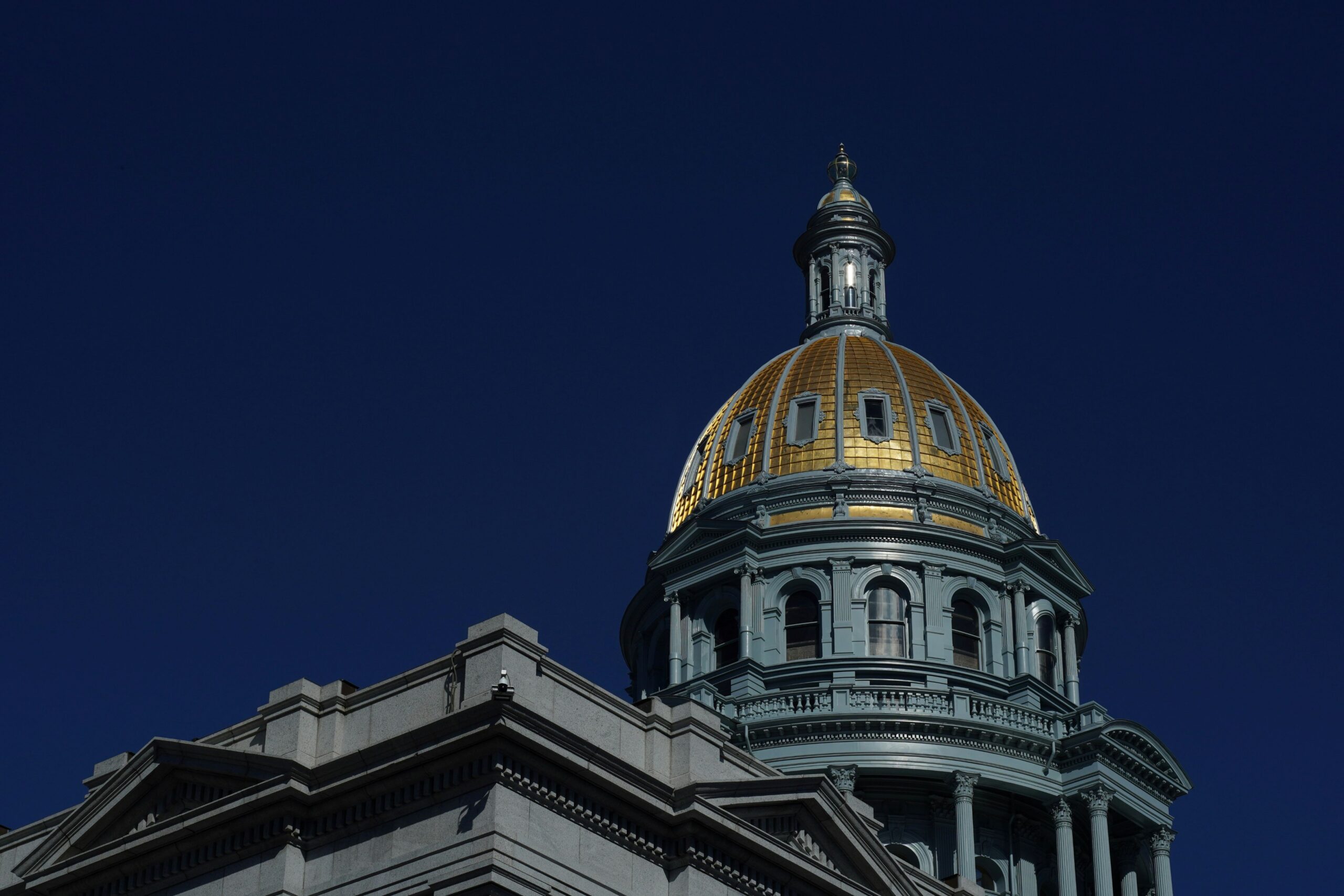
The Colorado legislature is putting some energy hearings on the board for February, and 13 energy bills have been filed so far. Here is what the Independence Institute is watching.
SB26-028, “Removal of Wind Energy from State Energy Goals,” is going to be heard Wednesday, February 18, in Senate Transportation and Energy committee. The bill removes wind energy as an eligible renewable energy resource under Colorado’s renewable energy standards. This bill stands little chance of passing in the Democrat-controlled legislature, but it is a sign that rural Coloradans are tired of the proliferation of industrial wind projects and their impacts.
HB26-1129, “Gas Utility Service,” is going to be heard Thursday, February 19, in the House Energy and Environment committee. The bill would exempt residential customers from the Clean Heat Plan’s emission reduction mandates, protecting homeowners from being forced off of natural gas and the resulting rate increases. It also repeals the ban on gas line extension incentives, restoring utilities’ ability to serve new customers without penalty. The Independence Institute demonstrated in recent PUC testimony that utilities cannot meet the Plan’s current targets without blowing past statutory cost caps by 67 times and imposing over $20,000 per household in conversion costs. This residential exemption would protect ratepayers from the worst of the Clean Heat Plan.
Data centers are stuck between bad and worse. Two competing bills would heavily regulate large-scale data centers in Colorado. SB26-102, introduced last week, requires 100% hourly renewable matching starting in 2031 (impossible with current technology), bans special economic development rates, and forces 15-year utility contracts. Worse, it could apply retroactively to existing facilities that expand and add 30 MW to peak load. HB26-1030 offers a sales tax exemption but layers on similar energy requirements and compliance so complex that only tech giants like Amazon and Google could navigate them, effectively using regulation to crush smaller competitors.
If either passes as written, Colorado would become one of the least competitive states for data center development. Billions in investment would flow to Wyoming, Utah, and Texas instead. Neither bill has been scheduled for hearings yet, suggesting some behind-the-scenes negotiations between bad and worse.
And the cracks are showing in Colorado’s plans to become 100% carbon-free by 2050. Colorado Springs Utilities has publicly stated that it cannot meet the 2030 emissions mandates affordably and reliably under current conditions.
Under current law, utilities can inform the state of challenges they face, but there’s no mechanism for relief: they’re still required to hit 80% emissions reductions by 2030 regardless of cost or reliability impacts. SB26-022 would create the first real escape valve, allowing cooperative electric associations and municipal utilities (not investor-owned utilities like Xcel) to extend their deadlines to as late as 2040. They must demonstrate the 2030 target would crash grid reliability or spike rates by more than 1.5% annually. Colorado Springs Utilities won’t be the last to sound the alarm that the state’s net-zero mandates are impossible to meet while providing affordable, reliable power.
You can’t regulate and legislate around the laws of physics or economics. But that won’t stop Colorado from trying.