The state’s data center boom is reshaping energy, water use and taxes. Here’s what residents should know about the costs, jobs and incentives involved.
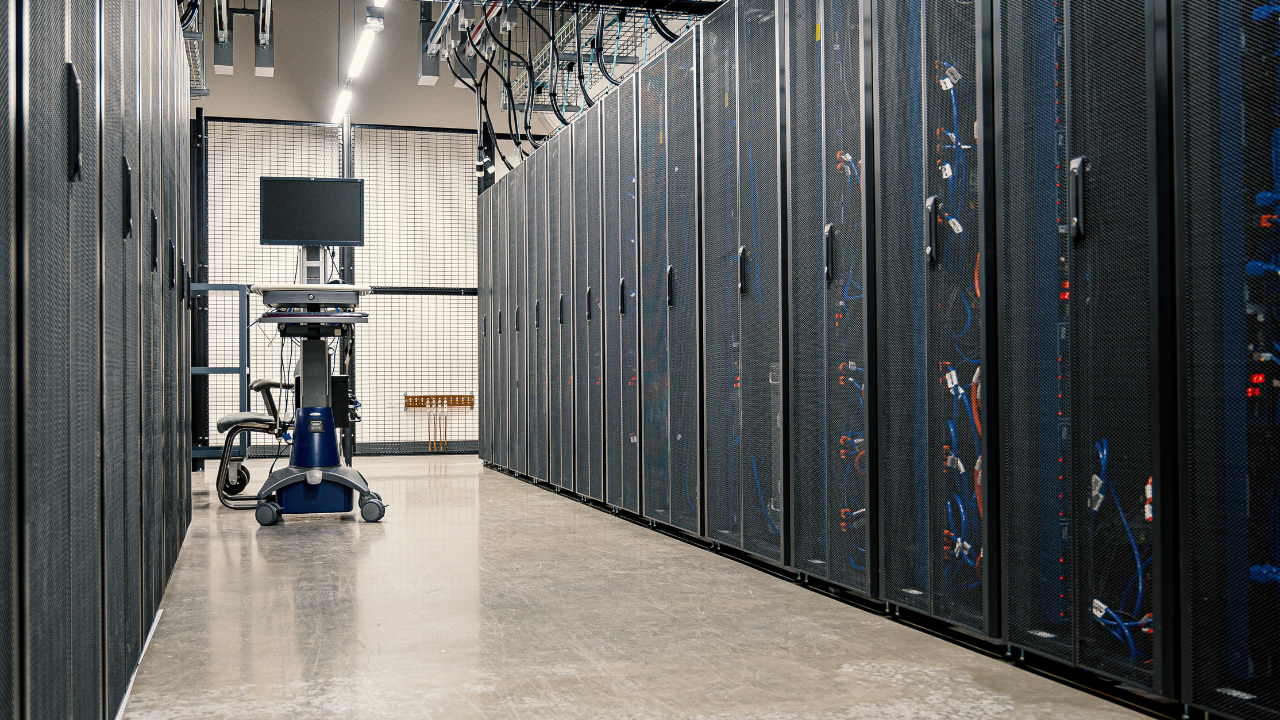
Data centers are expanding across Illinois amid the tech industry’s rising demand for cloud computing. Supporters say the facilities bring investment and jobs, while critics worry about rising energy costs, environmental effects and tax incentives.
Illinois lawmakers are considering passing more stringent regulations on the growth and operation of data centers, with bills recently introduced in the House and Senate. These bills would require “hyperscale” data centers to expand renewable energy and “strengthen equity, transparency, and labor standards in clean energy initiatives,” among other new rules.
Here’s what every Illinoisan should know about the data center boom and tradeoffs the state makes to be a part of it.
1: Illinois is already a major data center hub, with the growth accelerating
Illinois boasts the fourth-highest number of data centers in the country, at 244 sites. That’s because the state provides much of what data center developers need: energy, environment and space.
These facilities need large amounts of reliable, clean electricity. They also require a cool, stable climate and ready access to water to prevent overheating. Illinois’ weather, rivers and proximity to Lake Michigan provide those conditions.
Flat land and industrial sites also make it easier and cheaper to build large-scale facilities. Illinois has a lot of both.
Most of the current development is concentrated in Chicago and its suburbs, with new projects from companies such as STACK Infrastructure, Prime Data Centers and Prologis.
Aurora is home to Prologis Project Steel, with 24 completed data center buildings, and Project Cardinal, with 14. Southern and central Illinois are also proving attractive. CyrusOne is slated to host a 600-megawatt data center campus in Springfield, one of the largest proposed in the state.
2: Data centers rely on lots of energy to run
On average in 2025, Illinois data centers had more than 1,200 megawatts of operational capacity and consumed 12 terawatt hours of electricity, or enough to power up to 1.1 million homes.
Some estimates suggest that the 22 planned projects would add nearly 3,900 megawatts of new capacity. Commonwealth Edison has received more than 75 applications for data center projects, totaling more than 28 gigawatts of combined load. AI development is expected to drive up data center power demand in the
Chicago area by as much as 900%.
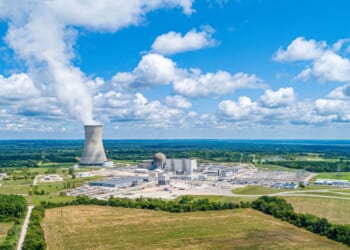
To fuel continued growth, data centers need access to reliable energy. The best way for Illinois to do that is to further expand nuclear power capacity.
Illinois delivers, generating more nuclear energy than any other state. The state’s 11 operating reactors across six plants produce nearly 54 percent of all power in Illinois. Lawmakers recently loosened restrictions on nuclear construction, leading to the discussion of additional projects.
3: Electricity bills are rising primarily because of ComEd’s planning decisions
Illinois electricity costs rose about 15 percent from 2024 to 2025, far outpacing the national average of 4.5 percent. Data centers accounted for about 5.4 percent of all electricity consumed in Illinois, which means they can account for only a small portion of price increases.
Utilities have raised rates because of aging infrastructure and broader supply-demand pressures.
The ComEd monopoly in northern Illinois has been a major factor in rising electricity bills in recent years. One regulatory filing shows that the capacity portion of a typical residential ComEd bill increased from about $0.91/month in mid-2024 to roughly $8.00/month by mid-2025, an increase of over 775%. These bill increases stem largely from ComEd’s planning decisions and cost-allocation choices.
4: Data centers create jobs, though many are temporary
Data centers have become a meaningful source of job creation in Illinois via large-scale construction that supports skilled trades. With 27 active projects statewide, data centers are estimated to have generated 4,000 to 8,000 construction-related jobs.
As the facilities transition from construction to operation, staffing shifts to specialized, highly automated roles. From mid-2019 to 2024, 27 facilities added 534 full-time operations jobs, suggesting Illinois’ 244 data centers employ around 4,900 people.
Data centers contribute to Illinois’ economy by supporting skilled labor, advancing technical expertise and reinforcing the state’s position as a hub for digital infrastructure investment. Chicago is already one of the nation’s hottest tech hubs, and data centers can be an important part of that economic ecosystem.
5: Data centers consume large amounts of water
Data centers require water for cooling, and usage can be substantial.
Water use can range from an estimated 18,000 to 550,000 gallons per day depending on facility size, underscoring the importance of investment in water infrastructure. This includes efficient cooling technologies and long-term planning to ensure that data center growth can be accommodated without undue pressure on the state’s water resources.
6: Rural residents are raising environmental concerns
As data center development increasingly moves into rural counties because there’s more space to build there, many community members have questioned how these projects fit into local priorities. In Will and Logan counties, residents have raised concerns about issues including water use, power demand and noise.
Data centers are essential to modern digital infrastructure and must be built somewhere, but community questions about environmental and infrastructure effects underscore the challenge of balancing economic growth with local concerns.
7: Data centers can reduce a homeowners’ tax burden
Illinois residents pay the highest effective property tax rate in the nation, at 1.83%.
Data centers can help relieve some of the tax burden by spreading it across more payers. Illinois reported that the data center industry generated $1.85 billion in total fiscal support, much of that coming from property taxes, in 2023, up 11% from the prior year.
Those benefits can be delayed and diluted because of government incentives that distort tax collections.
Data center developments approved by the state and governed by a memorandum of understanding receive substantial sales tax exemptions and other benefits for up to 20 years, issued in renewable five-year increments as long as compliance requirements are met.
These incentives, intended to attract large-scale investment, shift costs to taxpayers.
Rather than picking winners and losers through distortionary tax incentives, a better way to reduce the overall tax burden is to create an economic and fiscal environment that prioritizes growth, which generates more revenue.
Data centers are reshaping Illinois’ economy, energy and infrastructure. Whether they ultimately benefit residents depends less on how many are built and more on how costs are benefits are shared.