New Pioneer brief finds Massachusetts has reported just 20 AI use cases, only three of them directly serving constituents
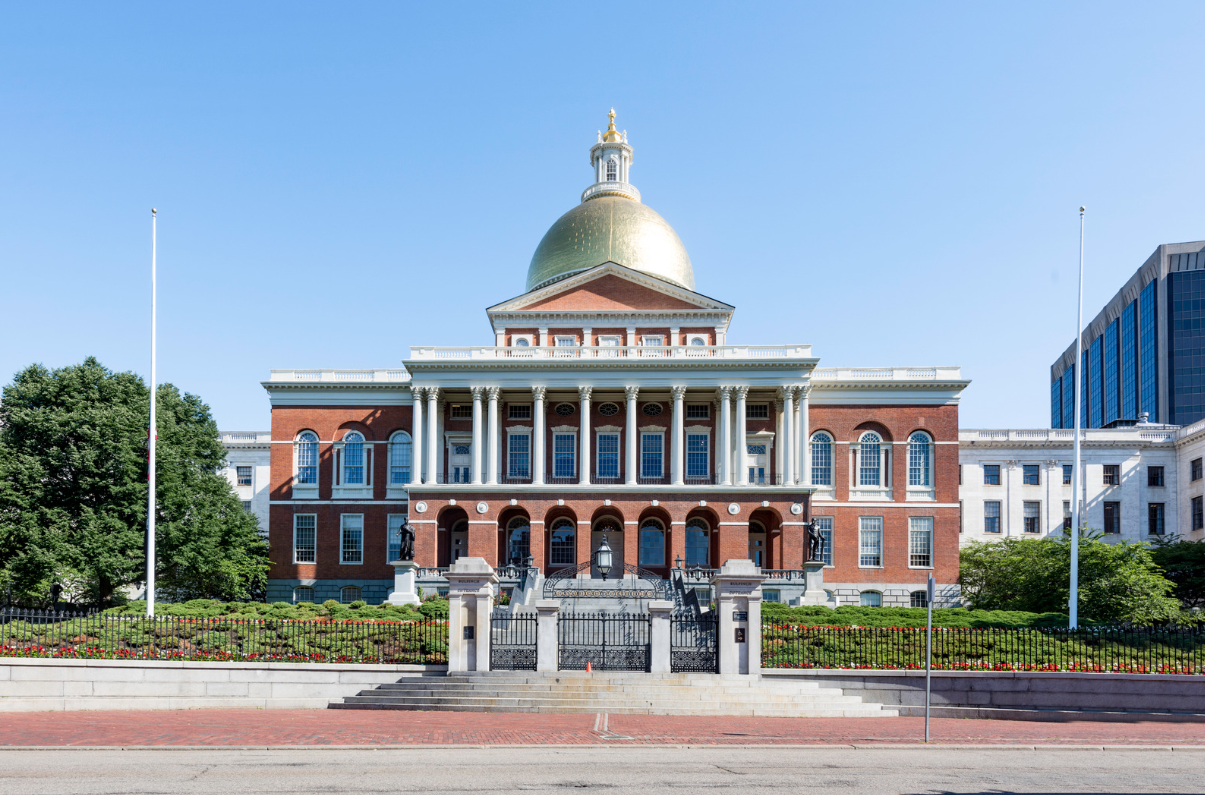
Boston, MA — A new Pioneer Institute policy brief argues that Massachusetts can use artificial intelligence to make state government more effective, improve service quality, strengthen transparency, and reduce waste within existing law—without politicizing operations or requiring worker layoffs.
The report, Massachusetts State Government and Artificial Intelligence: ChatGPT is a Fine Start, But Much More Needs to be Done, by Pioneer Senior Fellow for Government Effectiveness Gary Blank, finds that the Healey administration deserves credit for launching an AI Assistant powered by ChatGPT Enterprise for up to 30,000 state employees. But the paper concludes that the Commonwealth remains far behind the leading states in deploying AI to transform government operations and improve direct constituent services.
Thus far, Massachusetts has publicly reported only 20 AI use cases across state government, and only three are designed for direct external users, such as residents, businesses, municipalities, or nonprofits. By contrast, Virginia alone has reported roughly 120 AI applications in use or development across state agencies.
“AI gives Massachusetts a practical opportunity to improve government performance within current law and without turning this into a political fight,” said Gary Blank, author of the brief. “The immediate gains come from better agency operations, stronger constituent services, and lower administrative costs. But the bigger opportunity is to redesign cumbersome processes, improve payment integrity, and solve problems that have lingered for years.”
The brief points to several promising Massachusetts applications already in place, including the RMV Virtual Assistant, which has helped more than 200,000 customers, reduced agency calls by 1,000 per day, and cut email volume by 200 per week. Other tools help municipalities pursue federal grants and help residents, nonprofits, and businesses explore state environmental grants.
At the same time, the paper argues that the Commonwealth should learn from peers that have moved more aggressively. Vermont, New Jersey, Maryland, and Utah had already developed or deployed generative AI tools for public employees before Massachusetts launched its statewide ChatGPT rollout. Other states and local governments are pushing AI beyond internal productivity uses into traffic systems, permitting, public benefits, and constituent-facing chat systems.
A major recommendation is that Massachusetts shift from worker-efficiency use cases to transformational and constituent-facing applications, particularly in programs such as MassHealth, unemployment insurance, economic development, and grant administration. The brief also calls for a formal public inventory of AI use cases, stronger privacy and anti-surveillance guardrails, continuous employee training, and a structured feedback loop from both internal and external users.
“Massachusetts is a global leader in technology and innovation, and Governor Healey deserves credit for taking important steps to expand AI use in state government,” said Jim Stergios, executive director of Pioneer Institute. “But we still have significant ground to make up. Used responsibly, AI can help move state government from opaque to transparent, improve the quality of critical services, and address leakage in payment and benefit systems that costs taxpayers billions every year.”
The brief stresses that the most valuable applications are not about surveillance, automated decision-making, or replacing workers, but about improving workflows, modernizing outdated systems, protecting privacy, and delivering faster, higher-quality services to the public.
About the Author:
Gary Blank is Pioneer Institute’s Senior Fellow for Government Effectiveness. He offers a practical perspective grounded in work across the public and private sectors, federal and state governments, and the intersection of policy and operations. Gary’s career spans Massachusetts state government, management consulting, Fidelity Investments, the White House, and the U.S. Congress.