A $500,000 grant from the state highlights issues in transparency and last-minute funding.
Illinois’ 2026 budget included a $500,000 grant to Goal Digger Divas United, a health advocacy group that lost its IRS non-profit status in 2024, though it has since regained it.
The organization says it aims to “bring awareness to women, children, families and communities of the importance of making healthy lifestyle changes,” hosting events such as a mind, body and spirit fit camp, yoga sessions and community meetups.
Even if these activities are worthwhile, they should not receive half a million dollars in state funding. Other red flags make this spending even more questionable.
The organization’s non-profit status was revoked for failure to file its federal 990 tax form three years in a row. While the status was reinstated early this year, though it had not been at the time the state budget was passed.
The taxpayer-funded grant is more than 10 times the organization’s highest recorded annual revenue, which has never topped $50,000, according to available tax documents.
This grant raises serious questions about Illinois’ funding transparency.
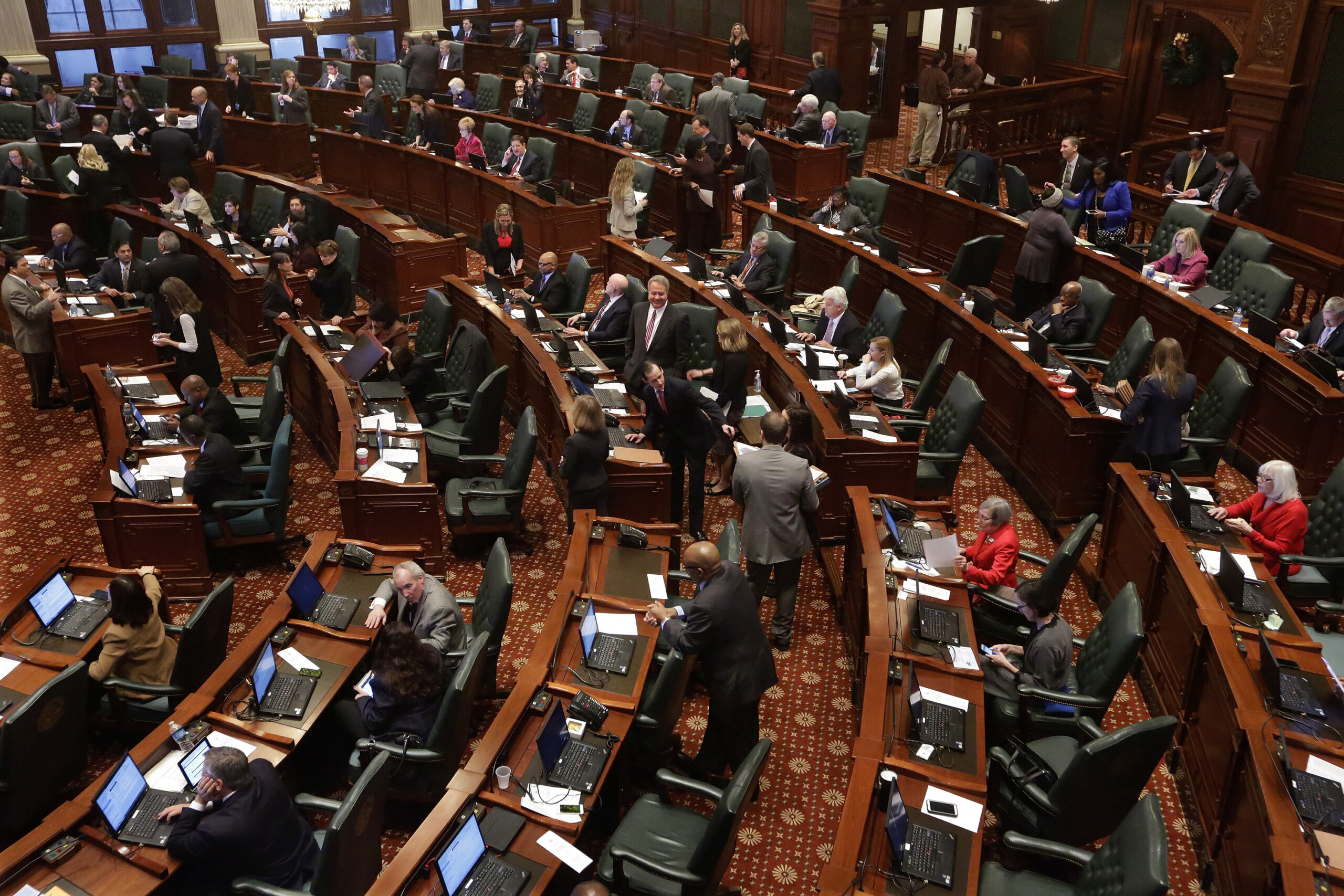
Illinois’ opaque budgeting process allows questionable spending to sneak its way into the budget. Lawmakers pass the budget in a rush, with little time for review or debate, and no requirement to justify or audit earmarks.
Lawmakers said the 2026 budget contained no pork, but 2,815 items of $200,000 were funded in the final hours of the legislative session. Those expenses were rushed, likely harmful to taxpayers and with no time for public scrutiny.
The items include money for moving pigs, for a private theater and $40 million for a sports complex at the alma mater of Illinois House Speaker Chris Welch. (Use our lookup tool below to see the 2,815 items.)
Competitive grants with objective evaluation criteria and reporting requirements should be scored and tracked by the state to ensure the money is allocated and used properly. These proposed earmarks should be made public well in advance of the budget vote, not hidden until state lawmakers can get a photo op to bolster their reelection bids. Taxpayers should know why the money is being spent and what the public should expect in return for the support.
Reforms such as a state budget spending cap, mandatory public review periods and detailed grant disclosures would help restore transparency and trust in Springfield. A little sunshine would go a long way toward stopping waste.