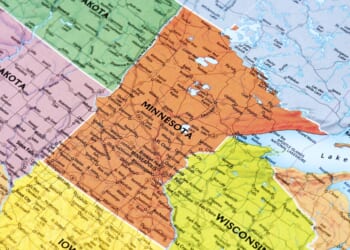
Happy Statehood Day, Minnesota!
Minnesota officially became a state in 1858, making today Minnesota’s 168th birthday. The North Star State’s growth has been full of ups and downs, but one mark of excellence is Minnesota’s historic commitment to public education. (As I’ve written elsewhere, the distinctly American project of public education is one of the country’s greatest traditions.)
In 1835, the first school for formalized education opened on the shores of Lake Harriet. Founded by missionaries Samuel and Gideon Pond and Rev. J. D. Stevens, the school taught white, mixed-race, and native students alike. The Pond brothers learned Dakota, invented an alphabet, wrote a catechism, translated the Bible into Dakota, and created a Dakota hymnal. The Ponds were the first to ever write in Dakota and published a monthly Dakota language newspaper.
Such a school, which made significant efforts to serve Dakota children in their native language and to integrate children of all races together, illustrates the early commitment to public education found in Minnesota.
There have been shameful moments in the history of Minnesota public education, like the prevalence of harmful Indian boarding schools. Other moments have illustrated a noteworthy desire for public stewardship and a willingness for personal sacrifice.
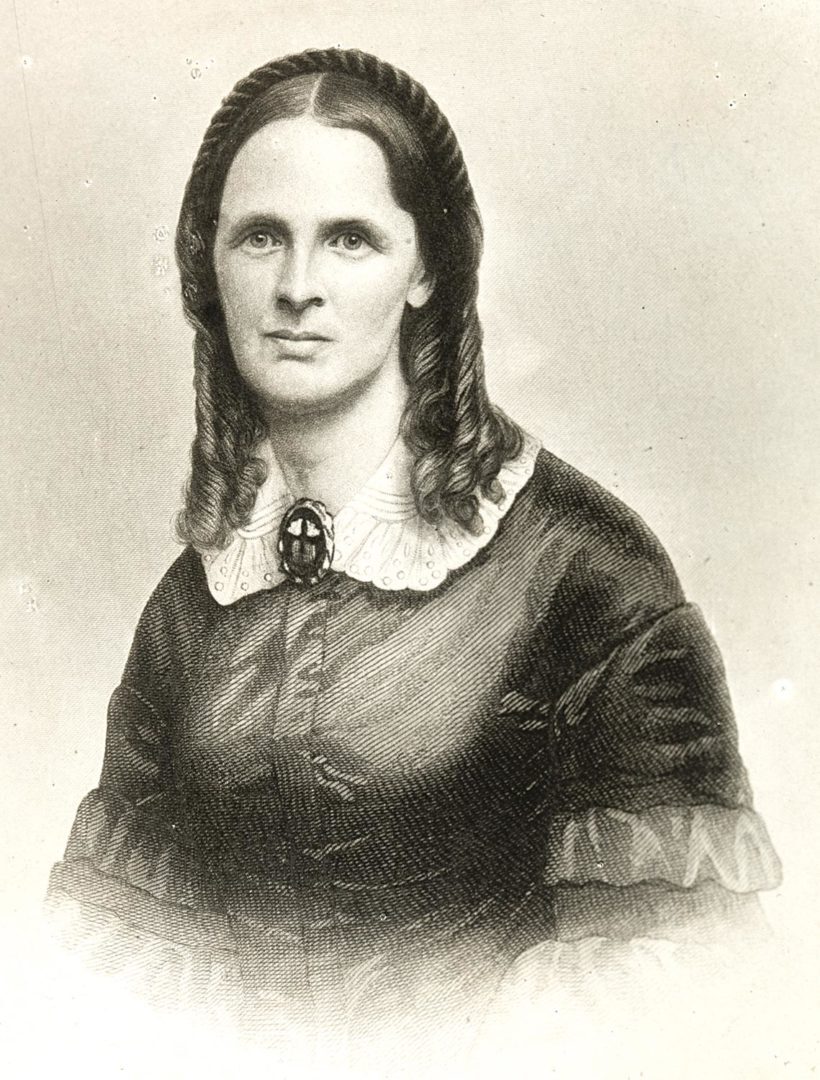
Many of those willing to give of themselves for another’s education were women. Harriet Bishop founded St. Paul’s schools in 1847, working in a small log cabin, a decade before Minnesota had become a state. She was the first of many women that would construct the state’s school system. In 1861, 74 percent of the teacher workforce serving in the chilly frontier fur trade society of Minnesota were women. Women voted for school board members in Minnesota as early as 1875.
The state of Minnesota has consistently used funding as a motivational tool for districts to change their practices. According to the Minnesota Historical Society,
The state offered special funding to desegregate (St. Paul in 1869), to lengthen the school year (1885, 1898), to consolidate (1911, 1947), to educate students with special needs (1915, 1957, etc.), to encourage gifted and talented children (2006), and to reach preschoolers (2017). When variations in property taxes, taxable property, and local decisions resulted in grossly unequal schools (not the constitutionally mandated “uniform” school system), the state revamped funding through Governor Wendell Anderson’s 1971 ““Minnesota Miracle”.”
One standout quality of Minnesota’s educational ethos is the consistent prioritization of educational flexibility for all learners. In the 1860s, academies for the deaf and the blind opened. 1985’s PSEO program and 1987’s open enrollment laws made college coursework and quality high schools accessible to all students in the state. Teach for America originated in Minnesota in the 1990s. The first charter school in the nation opened in Minneapolis in 1992.
Minnesota’s school system still has room to grow in flexibility, academic excellence, and strategic direction. Yet on this day of nativity, it’s worth remembering the progress that has been made.