The city should aim to scrap or restructure the 2008 contract by arguing that it’s “manifestly against public policy.”
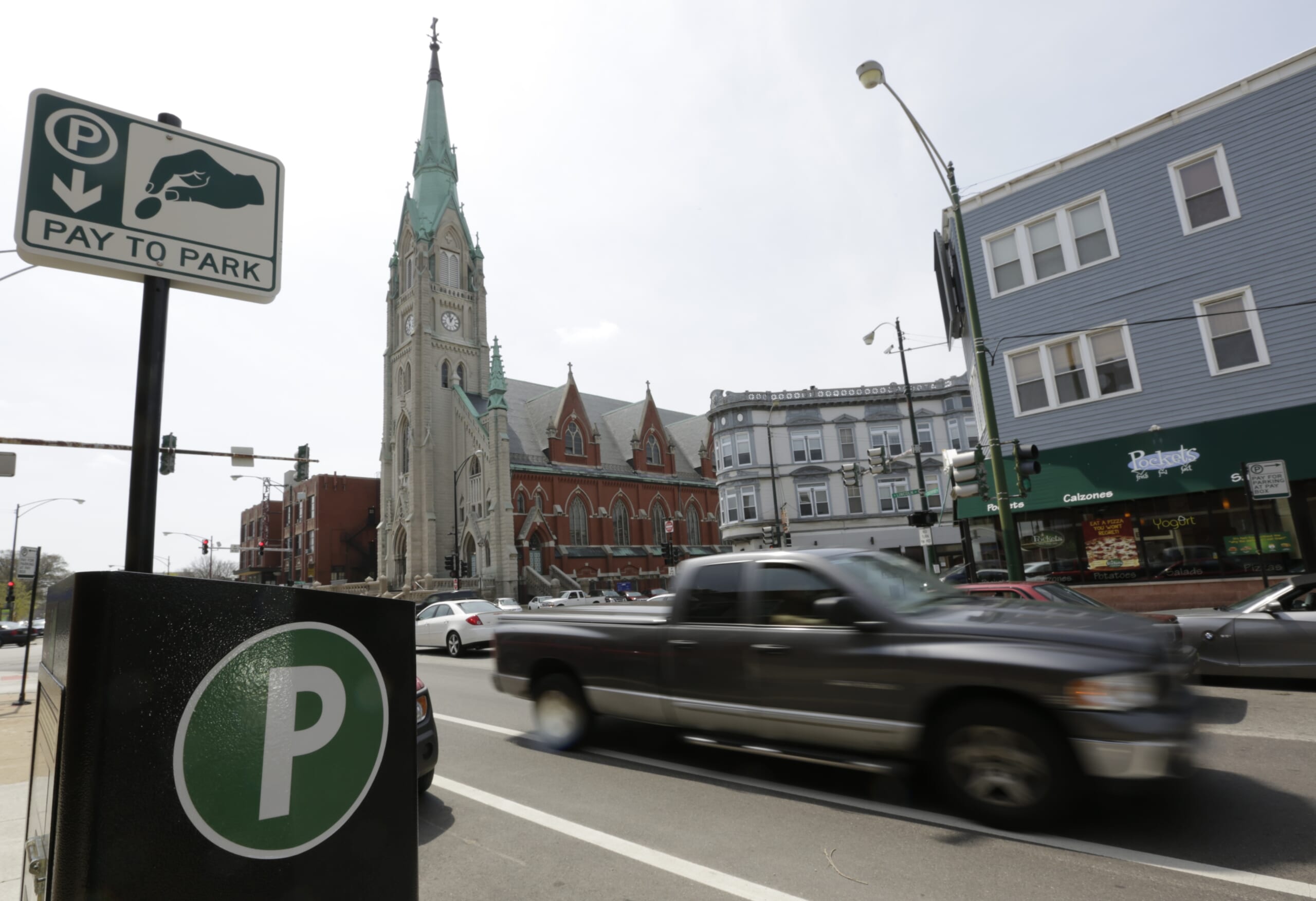
With news of an agreement for the city’s parking meter lease to change hands, Chicago has the chance to revisit one of the worst public asset deals in its history.
In 2008, investors paid about $1.15 billion for a 75-year lease covering roughly 36,000 metered spaces. Lease owners have already recovered the original investment and hundreds of millions more while still controlling the meters lease for some 57 more years.
It’s time the city sue to void or fundamentally restructure the contract by arguing that the deal is “manifestly against public policy.” Even if a court challenge failed to overturn the lease, it could pressure the investors into a meaningful revenue-sharing agreement, which Chicagoans desperately need. A revised agreement could preserve private management of the system while returning a significant share of future revenue to the city and taxpayers.
Former Mayor Richard M. Daley’s administration sold off garages, parking meters and the Chicago Skyway in a rush for cash that avoided politically difficult tax increases but sacrificed decades of future revenue. Those privatization deals generated over $3 billion upfront while depriving the city of long-term income that could have eased today’s financial pressures.
Chicago spent most of those proceeds plugging short-term budget gaps instead of paying down pension liabilities or investing the money for long-term growth. This made a bad deal worse, and deepened the city’s pension crisis and squandered an opportunity to stabilize future finances.
A legal challenge is not unprecedented. In 2009 a class-action lawsuit argued that the agreement surrendered too much public control over transportation and traffic policy. Then-Mayor Rahm Emanuel declined to support the suit, instead pursuing minor concessions such as limited changes to Sunday parking enforcement in 2013.
Emanuel’s administration also defended the legality of that agreement. Those statements later helped the investors persuade a judge to dismiss the lawsuit, with the court citing the city’s own position in its ruling.
The facts have changed significantly since then. Chicago taxpayers can clearly see the scale of the imbalance between what the city received and what private investors continue to extract from the system.
In 2024, the leaseholders collected almost $161 million in revenue, resulting in $34.6 million in net income compared with just $23.8 million the system generated in 2008, before privatization. Even during the COVID-19 downturn, revenues remained strong enough to continue investor payouts.
As of 2023 the deal had already generated $2 billion in revenue. The investors needed only about 10 years to recoup the initial investment and could see up to $10 billion in revenue before the lease expires.
Despite those extraordinary returns, the investors still want another $100 million from the city, claiming Chicago improperly converted thousands of parking spaces into “reserve” spaces during the pandemic.
Rather than challenging the underlying agreement, city officials are discussing how to compensate the leaseholders, potentially by converting even more spaces into concession-controlled meters that would further reduce public revenue.
Mayor Brandon Johnson reviewed buying back the meters earlier in the year and declined because of the price. Now, he must direct city lawyers to revisit whether the lease can be challenged. Earlier legal efforts faced steep odds partly because the long-term harms were still theoretical.
They no longer are.
If Chicago succeeds in overturning or restructuring the deal, new revenue could be directed toward improving the Chicago Transit Authority. The city has struggled to restore CTA ridership because of ongoing concerns about reliability and safety, pushing more residents toward driving.
At the same time, the city relies heavily on automated and aggressive ticketing and fines that disproportionately burden working- and middle-class motorists. Restoring confidence in public transit would help increase ridership and reduce dependence on costly driving and parking. A more attractive CTA also would free up parking spaces for bus lanes or other transit-friendly infrastructure while reducing the need to rely on automated enforcement to balance the budget.
Chicago surrendered its parking meters in just 72 hours. For the next 57 years, future generations of Chicagoans will pay for that decision. Leaders must spend the time necessary to fight for a better outcome — or at minimum ensure that Chicagoans, not distant investors, benefit from their own streets.