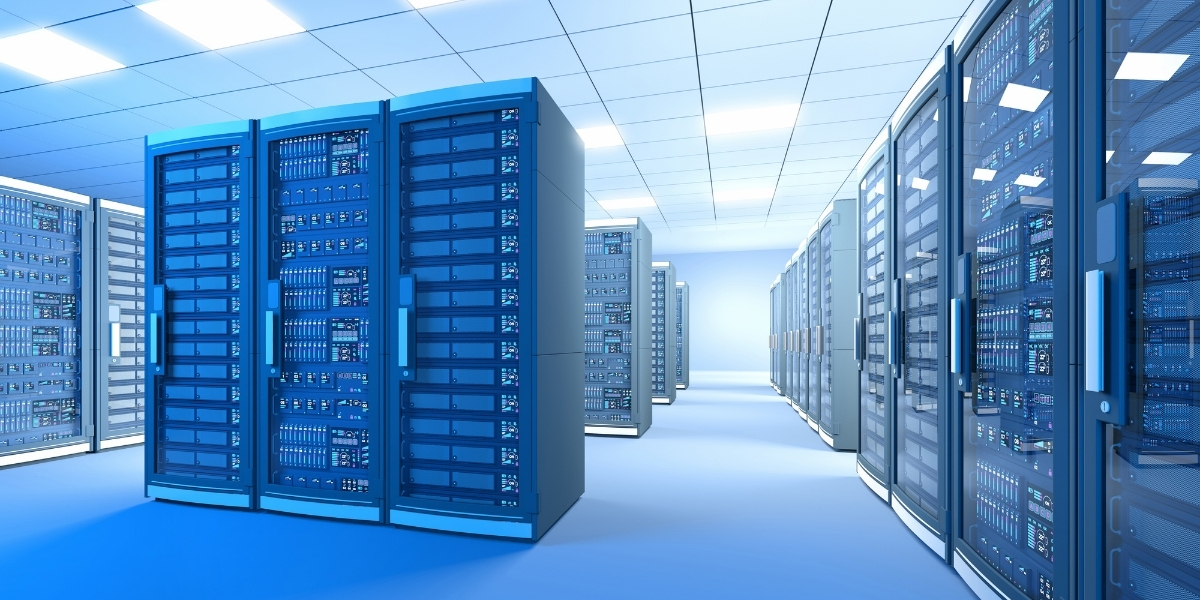
Data centers have existed for years, with the first modern data storage and computing facility dating back to the 1940s. For the most part, these components of our digital infrastructure took a backseat to flashier developments. With the proliferation of artificial intelligence (AI) and America’s increased economic and technological independence on this technology, data centers have moved into the public spotlight. There is an ongoing debate about where and when data centers should be built, with some opponents even resorting to violence and threats. Despite this, there is a growing body of evidence that supports the multifaceted benefits of data centers and dispels some of the most fear-based claims about them.
A study of the 2023-2024 economic contributions of data centers reveals that data centers are supporting both job growth and gross domestic product (GDP) growth. According to a recent study by PwC, “The total number of jobs supported by the industry nationwide increased from 4.7 million in 2023 to 5.5 million in 2024 (17 percent growth). At the national level, each direct job in the data center industry is estimated to support 4.5 additional jobs in the broader U.S. economy in 2024.” The natural consequence of this job growth is increased economic activity and progress, leading researchers to find that “the sector’s total contribution to the U.S. economy’s value added, or GDP, grew from $768.0 billion in 2023 to $926.9 billion in 2024 (21 percent growth), highlighting its measurable influence on overall national economic output.” Data centers are providing more than a short-term economic boost. These numbers indicate a sustained push toward increased prosperity and productivity.
A common argument waged against data centers is that they will raise energy bills. A new report from Energy and Environmental Economics, Inc (E3), titled “Understanding the Drivers of Rising Electricity Rates and the Role of Data Centers” evaluated the relationship between rising bills and more data centers and concluded that “Retail rate outcomes are influenced by broader supply/demand dynamics, market design choices, fuel cost volatility, generation retirements, inflation, and other utility investments (such as grid modernization, wildfire mitigation, policy compliance) —not load growth alone.” The authors examined multiple states and, contrary to the anti-data center crowd’s favorite argument, found no clear relationship between an increased (energy) load and rising rates. In fact, states with the largest increases in load often had the smallest rate increases. Supporting these results, a new report from the Pelican Institute for Public Policy offered both explanations and solutions to the issues leading to higher rates. The factors that lead to higher retail rates are various and nuanced, but blaming these price hikes on data centers is an oversimplification at best and more often than not, entirely untrue.
Another popular myth surrounding data centers is their exorbitant water usage, with flashy headlines and ill-researched X posts claiming that data centers are running towns dry. Independent researcher Andy Masley wrote a deep dive into these claims and put them into context. Currently, data centers are using significantly less water than other American industries whose water consumption never comes under public scrutiny, like corn farms and golf courses. Masley crunches the numbers to conclude that submitting 2,550 prompts to an AI chatbot takes the equivalent amount of water to manufacture a single piece of paper. Data centers, even those that handle AI computing, are consuming a very slight amount of water when considering the value they deliver to the economy, the job market, and any individual who uses the internet.
Data continues to emerge about data centers: how they are being used, how they are impacting their surroundings, and how vital they are to a variety of national and state priorities. At the same time, innovations are being made to improve upon the existing model. Like any technology, data centers are far from stagnant. Efforts to legislate away data centers not only prevent states, like Louisiana, from reaping their benefits but also prevent the innovators improving the data center model from fine tuning their product. Dispelling these myths and focusing on the real numbers behind this digital infrastructure reveal that the stories about data centers are far more harmful than the centers themselves.