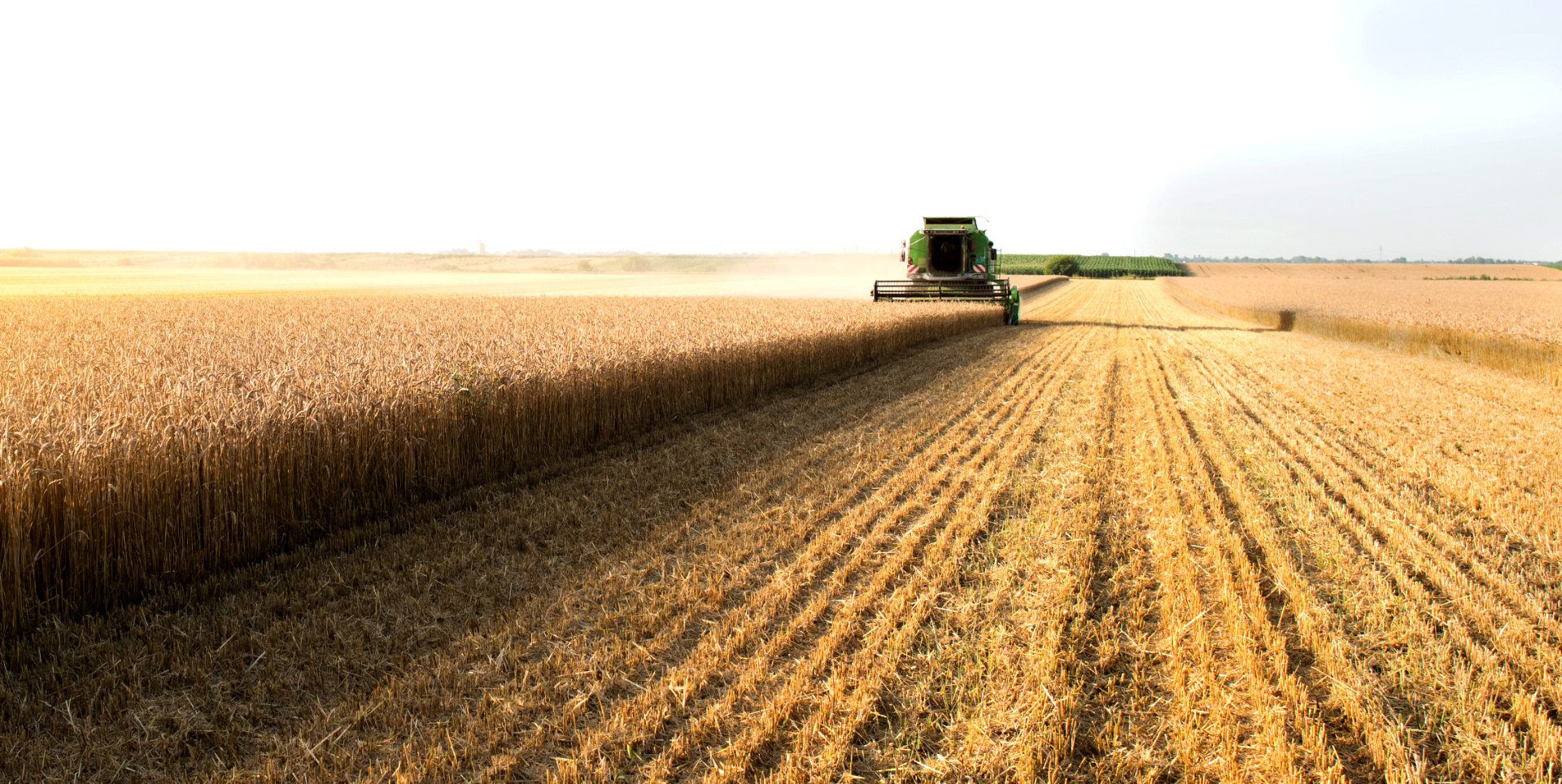
Kansas wheat country is facing a hard year. Drought has damaged winter wheat across the Plains, and the latest crop tour estimates point to a much smaller harvest than last year.
That should matter to every Kansas policymaker, not just farmers.
The 2026 Wheat Quality Council tour projected Kansas wheat yield potential at 38.9 bushels per acre, below the recent tour average and well below last year’s strong harvest. Kansas farmers produced nearly 347 million bushels in 2025 with an average yield of 51 bushels per acre. Some models now suggest production could fall around 31% from last year.
Weather is not something Topeka can control. But economic resilience is.
Kansas has always depended heavily on agriculture, and that should remain a strength. Wheat, cattle, sorghum, corn, soybeans, ethanol, milling, rail, trucking, and food processing are part of the state’s economic identity. But a rough wheat year exposes a bigger issue: Kansas needs a more resilient economy built on lower costs, more investment, more entrepreneurship, and more diversity in private-sector growth.
That does not mean abandoning agriculture. It means strengthening the entire economic ecosystem around it.
Farmers are already dealing with low prices, high input costs, interest rates, equipment expenses, property taxes, and federal policy uncertainty. One recent farm-income outlook projected Kansas net farm income at $8.67 billion, down about 5%, with crop producers pressured by weaker prices even when yields improve. A bad wheat harvest makes the squeeze worse.
The wrong answer is more dependency on subsidies, bailouts, or central planning. Those may temporarily soften losses, but they do not build long-term resilience. They often lock producers into Washington’s political cycles and discourage the kind of innovation Kansas needs.
The better answer is a stronger private economy.
Start with taxes and spending. Kansas collects and spends too much relative to faster-growing states. The 2026 Green Book makes the competitiveness problem clear: Kansas ranks in the middle of the pack on taxes while stronger states keep moving ahead. Kansas cannot build resilience by making production more expensive.
That is why a Responsible Kansas Budget matters. Spending restraint is not just a budget exercise. It is an economic development strategy. When government spends less, it can tax less. When it taxes less, farmers, families, and businesses keep more of their own money to invest, save, hire, and adapt.
Kansas should also make it easier to build value-added agriculture. More processing, milling, biofuels, livestock capacity, storage, logistics, and specialty manufacturing can help farmers capture more value closer to home. That requires faster permitting, lower energy costs, better infrastructure, and fewer regulatory barriers.
Energy abundance is especially important. Agriculture is energy-intensive. Fertilizer, irrigation, grain drying, trucking, rail, refrigeration, processing, and manufacturing all depend on reliable and affordable energy. Kansas should welcome new generation, transmission, private power arrangements, and market-based energy solutions instead of letting politics block supply.
Workforce matters too. Rural Kansas needs more entrepreneurs, tradespeople, mechanics, welders, truck drivers, nurses, teachers, and technology workers. That means better education options, less occupational licensing red tape, and a tax climate that attracts families rather than pushing them out. Kansas has already lost $361 million in AGI from domestic migration in one recent year. A resilient state cannot keep losing people and income.
The wheat harvest is a warning. When one major sector takes a hit, the rest of the economy must be strong enough to absorb the shock. That strength does not come from government programs. It comes from freedom, investment, diversification, and low costs.
Kansas should protect agriculture by making Kansas more competitive for everything around agriculture: energy, logistics, processing, technology, manufacturing, housing, health care, and entrepreneurship.
A bad crop year is painful. But it can also clarify the path forward. Kansas does not need more government management. It needs a freer, more flexible economy where farmers and businesses can adapt faster than policymakers can write rules.
That is how Kansas becomes more resilient.