On the surface, it might appear to be minor. Nothing too big. But from seemingly insignificant rules come sweeping, burdensome regulatory frameworks. The plan is to only outlaw a particular type of automobile tire for fuel economy purposes, but it sets up regulators to police anything they wish to, from engine displacement (while internal-combustion engines are still legal in the state) to even a minimum seating capacity (no more two-seat sports cars because they aren’t energy efficient).
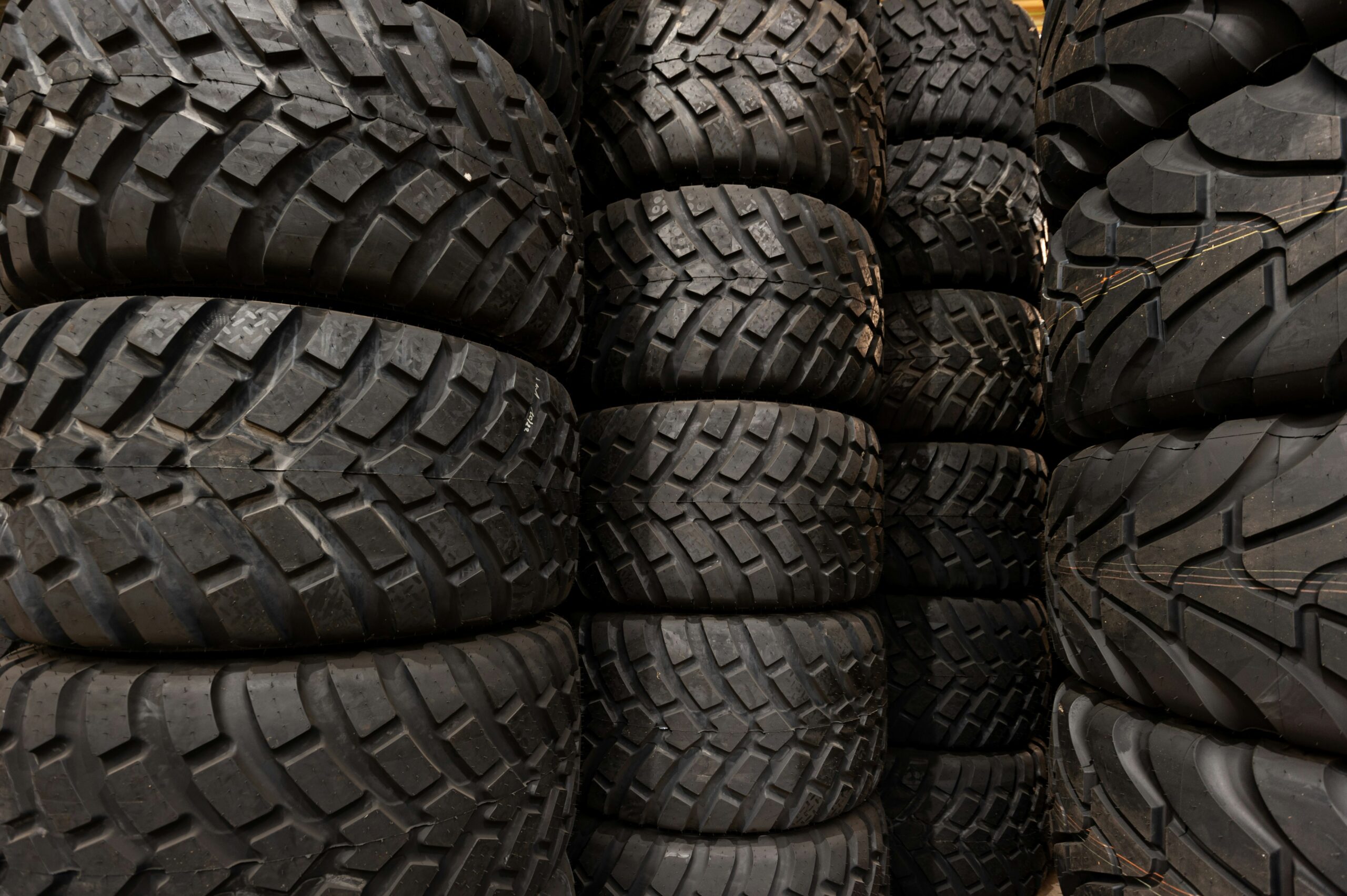
More than 20 years ago, the Legislature passed a law that established the Replacement Tire Efficiency Program “to ensure that replacement tires sold in the state are at least as energy efficient, on average, as the tires sold in the state as original equipment on these vehicles.” Few car owners think about it when buying a new set of tires, but those with high-rolling resistance get poorer mileage than those with low-rolling resistance — the sort of tire California wants to force on car owners.
Proposed rules would also set a minimum wet-grip standard for tires, which seems contradictory if safety is a factor since low rolling resistance tires have poorer traction than regular tires.
The California Energy Commission says passenger cars running “more efficient replacement tires” will eventually save $153 over the four-year life of their tires. Overall, enforcement of the rule “would save nearly $1 billion per year in gasoline and electricity costs, putting money back in the pockets of California drivers.”
There are reasons to doubt the claim. Low-resistance tires typically have a shallow tread that wears out faster than tires with deeper treads. Low rolling resistance tires in Europe typically last about as U.S. retail tires.
“Shorter-lived tires mean more frequent purchases and more expense over time, directly undermining the fuel savings the regulation promises,” according to Autoblog. “How California’s tire ban will actually address these finer points remains to be seen, but the initial impressions point to an idea that could play out better in theory than in real life.”
The rule will also squeeze the tire market, leaving owners with fewer choices. Should the regulation pass and hold, Autoblog says, “anyone buying replacement tires in California (and not just those shopping for high-performance tires) faces a narrower, fundamentally different market. Tires optimized for durability, traction in poor conditions, or heavier vehicles could fail to meet the new thresholds of rolling resistance for that model, potentially putting anyone who wants anything other than low-rolling resistance tires in a spot.”
Car And Driver says the rule “hinges on a misunderstanding of how vehicle tires actually function” and that it’s possible the rule would “effectively ban all aftermarket tires.” This will hit the “enthusiasts who use inefficient but grippy high-performance tires” particularly hard, says Motor 1. But we might not hear much from them since they “represent only a tiny fraction of a bigger market that it shouldn’t be an issue for the average consumer.”
Naturally, some will say ask “what’s the big deal?” since it’s possible that only a narrow sliver of car owners will have to make significant changes to adapt to the rule. But regulatory creep has a way of going far beyond the original intent. The history of regulatory agencies is one of expansion, and this is especially true when they intersect with cars in California. Regulators are never interested in limiting their reach. Increasing their scope of authority tends to be their primary objective. Tires might be the target today, but tomorrow any number of automobile parts and features could catch the attention of California’s regulatory blob.
Kerry Jackson is the William Clement Fellow in California Reform at the Pacific Research Institute.