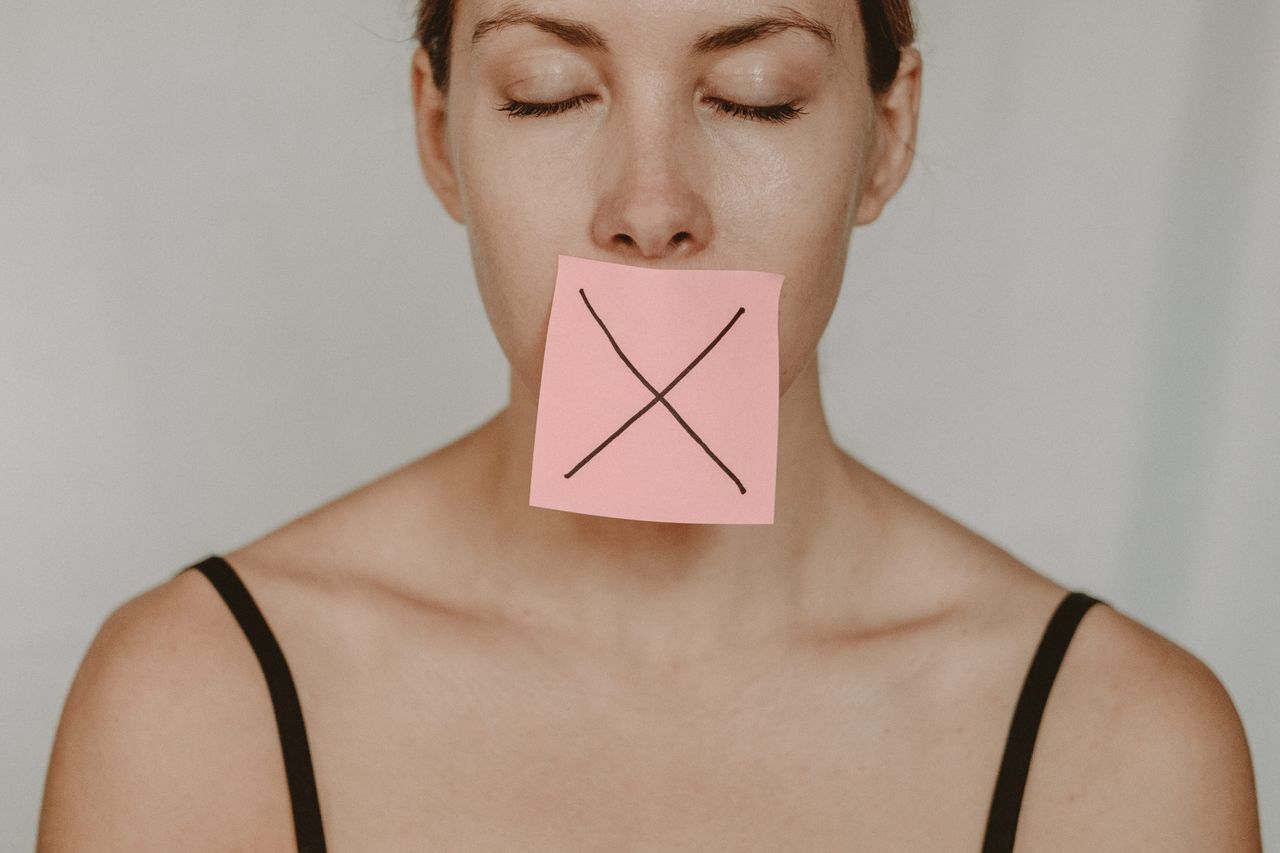
Free speech on university campus allows students and professors alike to learn and engage with diverse forms of belief and expression. When campuses feel pressure to adhere to one dominant narrative, professors lose the ability to educate fully and students lose the opportunity to expand their worldview.
Campus expression is currently experiencing a political tug-of-war nationally. On the conservative side, Texas A&M has banned Plato for references to homosexuality. Conversely, high-profile cases of conservative professors losing their seats abound.
A new report suggests that Minnesota needs to grow in free speech protection on campus. The Foundation for Individual Rights and Expression (FIRE) gave three top Minnesota universities a average F grade on the recently released 2027 College Free Speech Rankings, indicating that these universities are largely failing to protect free speech on campus. The rankings draw from student surveys and administrative direction.
Three Minnesota schools were included in the Free Speech Rankings: Carleton College, Macalester College, and the University of Minnesota. Since the report only analyzed three schools, it does not represent a comprehensive analysis of all Minnesota schools.
FIRE is a non-partisan organization that “defends and promotes the value of free speech for all Americans in our courtrooms, on our campuses, and in our culture.” Their work seeks to benefit those on the left, right, and center, advocating for free, constitutionally-protected speech regardless of the content of that speech.
The FIRE report used a student survey to help measure topics like “comfort expressing ideas,” which denotes how comfortable students feel expressing controversial ideas in different campus settings, and “openness,” meaning how many controversial topics students feel they can openly discuss on campus. The category of “political tolerance” represents the campus’ willingness to host controversial speakers. Both the average Minnesota college free speech score and average free speech ranking have declined since last year.
Currently, 72 percent of Minnesota students believe that it is acceptable to shout down a speaker to stop them from speaking on campus. (About one in three students, the report says, believe that it is also acceptable to use violence in rare cases.) Additionally, 41 percent say that they’ve self-censored on campus in the last month.
Carleton College is the freest Minnesota school listed, ranking 116 out of 261 schools in the 2027 College Free Speech Rankings and earning a D- score. The campus’ ranking within the “comfort expressing ideas” category and overall campus political tolerance have all increased since last year. The campus landed in the top 25 within the openness category. Admitted students have a skewed ideological ratio, with about 5.64 liberal students for every one conservative student.
Macalester College is further down at the list with its 207 ranking, earning a sixth consecutive F speech climate grade. The campus has some intriguing dynamics, ranking fifth in the nation under the openness category but within the bottom 50 for political tolerance. Admitted students are very liberal, with about 11.14 liberal students for every one conservative student.
The University of Minnesota (UMN) is the lowest ranked Minnesota college, sitting at 204 of 261 schools listed and earning an F grade. FIRE listed the UMN as a Minneapolis institution, implying that the study focused only on the Twin Cities campus. FIRE notes:
[The UMN] ranking includes a penalty stemming from an attempted disruption of an event featuring an anti-abortion speaker. UMN lands in the bottom 25 for “Comfort Expressing Ideas,” indicating students feel uncomfortable sharing views on controversial topics. It ranks in the bottom 50 for “Openness” and “Administrative Support,” meaning many contentious topics feel off-limits and students doubt officials will defend speech.
Last year, City Journal ranked UMN a low 99 out of 100 schools surveyed for a poor Jewish campus climate, remarking on “rampant anti-Semitism”. That publication also remarked that UMN’s professors were deeply left-leaning, among the “least ideologically diverse of any university that we studied.”
That faculty intensity didn’t translate to admitted student ratios. FIRE found that the University of Minnesota has about 3.67 liberal students for every one conservative student, which is a far more balanced ratio than either Carleton or Macalester.
Ideological openness can’t and shouldn’t be measured by equal ratios of conservative to liberal students. Free speech is fostered by a campus climate that respects and seeks to understand others and their viewpoints. Healthy campuses have to have strong administrative teams that insist upon free speech, rejecting loud or violent protestors and requiring students to hash out ideas with conversation.
A recent study of Northwestern University and the University of Michigan found that a high majority of students pretended to hold more progressive views than they actually hold. Given the demographic similarity of these institutions to those in Minnesota, Minnesota administrators should ensure that students don’t feel similar pressures.
A majority (53 percent) of UMN students said within the FIRE survey that they would be “somewhat or very uncomfortable” expressing their views on a controversial political topic during a discussion in a common space like a dining hall. Students need to practice expressing their views in small conversations, before minor issues expand into major social catastrophes. Since one-third of the Minnesota students surveyed believe that violence is sometimes an acceptable answer to a disfavored speaker, it seems that many students believe they have two options: absolute silence or explosive protest. That’s not moderation. That’s Midwest Nice smothered by frustration and fear.
Minnesota needs to lower the heat. College campuses that foster free speech create graduates who can engage in rigorous bipartisan dialogue, forge unlikely friendships, and positively impact their communities.
FIRE recommends that college administrators sign the Chicago Statement for Free Speech, adopt Institutional Neutrality platforms, and reform restrictive written student policies. I’ll also suggest that administrators look for ways to remove the expectation that students and faculty should consistently perform their ideologies rather than participating in thoughtful dialogue. Administrators should choose not to publish ideological open statements or open letters in reaction to events that do not directly concern university business. Administrators should also not punish or reward student groups that choose to do so.
FIRE’s rankings suggest that Minnesota colleges have a long way to go before free speech on campus is truly free. We in Minnesota now must advocate for it.