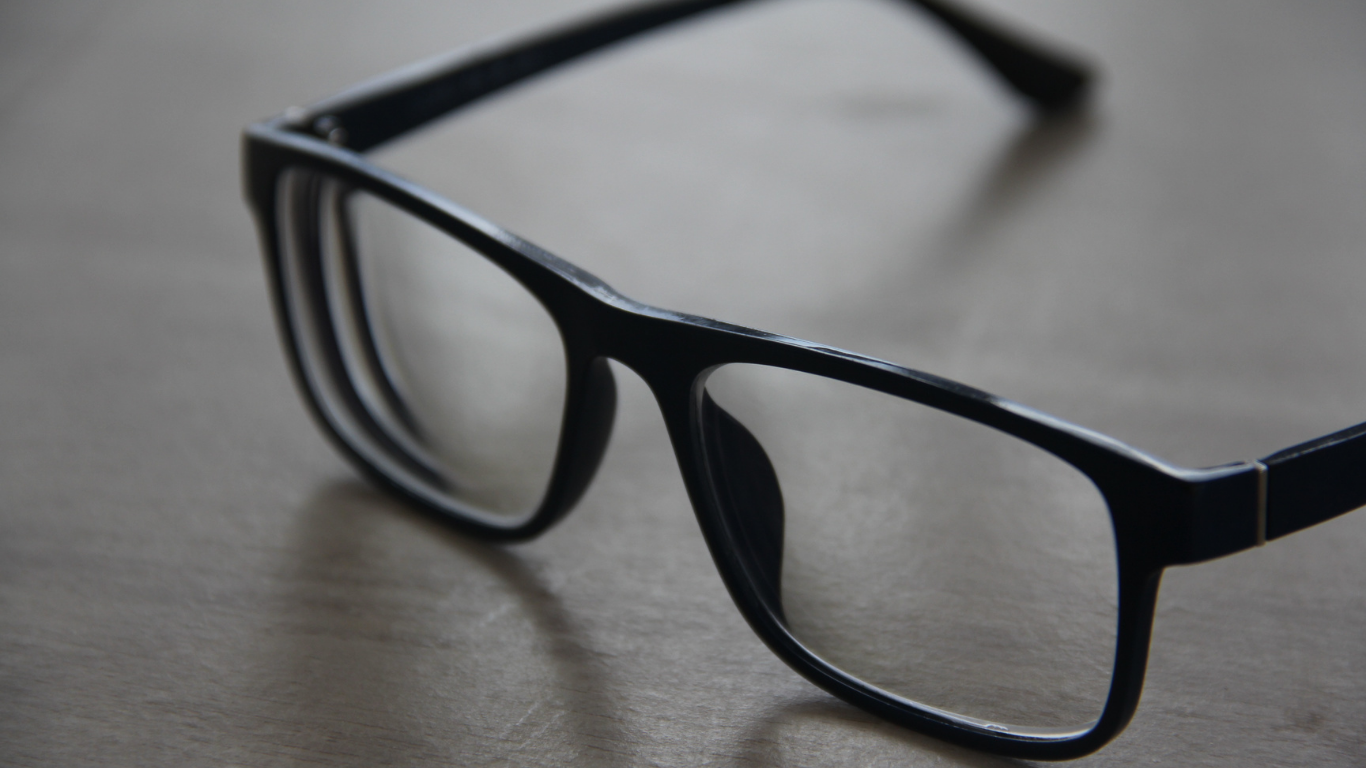
Wearable technology, such as smart glasses, has become the new frontier in American consumer tech. Meta’s AI glasses, for example, sold over 7 million units in 2025. With their impressive suite of AI-enabled features, including facial recognition waiting in the wings, these frontier products have naturally generated a new set of policy questions that lawmakers in state capitols across the country must face in an era when Americans are uniquely concerned about their digital footprint and protecting their privacy. Tech giants have also recognized the stakes in this trend among American consumers, with Meta acknowledging the need to balance “safety and privacy risks” of new features embedded in wearable technology.
As home to some of the world’s largest technology companies, it is perhaps unsurprising that California became the first state to attempt to regulate wearable technology. Senate Bill 1130, which currently awaits Governor Newsom’s signature, prohibits owners of wearable devices from disabling the recording indicator, prohibits recording where Californians would expect privacy absent consent, and requires manufacturers to produce devices with recording device lights or audible indicators after 2028.
The bill responds to a real and growing concern. Unlike a phone held up by a user, someone wearing smart glasses could record for hours without anyone knowing. SB1130 addresses that concern and ensures the person being recorded at least knows they are being recorded.
However, where the bill misunderstands harm is confusing knowing that you are being recorded and knowing what happens with that recording. Unfortunately, on the latter, SB1130 is silent. If AI-enabled wearable technology is able to match recordings of Californians to their identity in real time, knowing that a blinking light is on does nothing to preserve privacy. The light just warns you that you are being recorded, not that your image is being matched against a database the moment you walk away.
Sacramento likely failed to recognize that a blinking light and facial recognition technology are two different technologies bundled into the same piece of plastic and sought to regulate what is easy rather than what is hard. An indicator light simply tells a bystander that the recording is happening, but nothing about whether it is being cross-referenced against databases. Those are two separate harms, and lawmakers in California only considered one.
As wearable technology evolves, this distinction will matter even more. Today’s AI-enabled glasses will inevitably give way to AI-enabled earbuds with recording capabilities, and device-specific mandates need consistent legislative revision to remain relevant and to keep up to date with consumer and technological trends. A legislative framework centered around what AI is doing with the data, rather than whether a light is on, would age considerably better.
None of these harms mean that California needs to build a new regulatory apparatus around wearables. The state, like most others, already has the legal tools necessary to combat this problem through the regulation of unauthorized commercial use of someone’s likeness, unfair and deceptive trade practices, and in some cases, biometric privacy laws. These statutes, already in place, enforce liability for a wide range of harms and apply regardless of what technology is capturing someone’s image.
The irony of SB1130 isn’t that tech companies are embedding risky facial recognition technology that they actively understand and mitigate the concerns for. Conversations already show these companies know they are at the cutting edge of technology. The real irony is that policymakers in California are obsessing over the wrong part: the light bulb.
Dr. Edward Longe is the Director of National Strategy and the Director of the Center for Technology and Innovation at The James Madison Institute in Tallahassee, Florida.