Aldermen say the added revenue will go to pensions, but it’s not nearly enough.
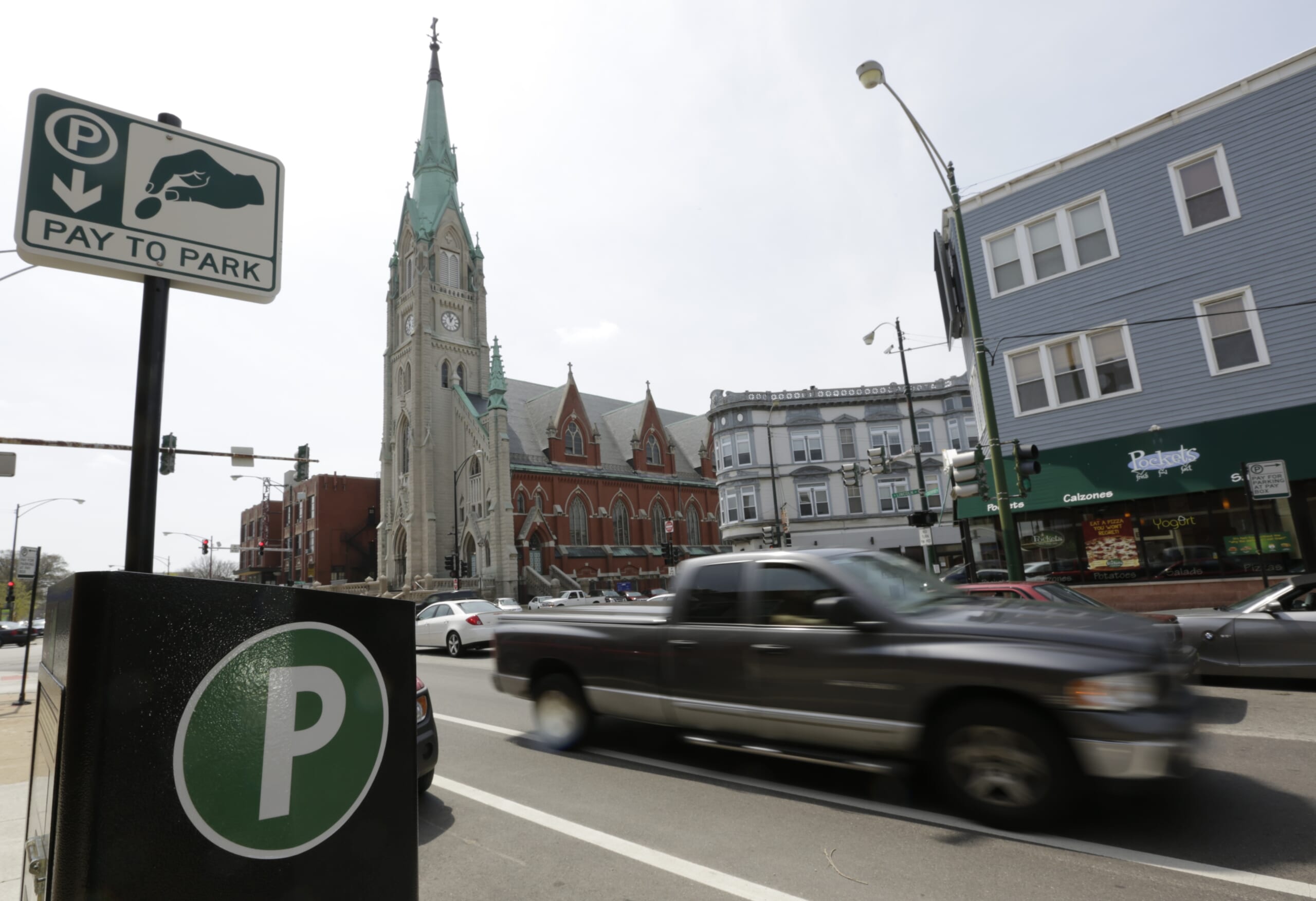
A parking meter deal poised for City Council approval this week improves on the original transaction but still falls far short of what Chicago would have gained had the original deal never occurred.
The proposal would allow private investment firm Stonepeak to acquire the rights to the lease of the city’s parking meters that Chicago sold in 2008 to a consortium of private investors operating under the name Chicago Parking Meters LLC. An ownership change requires city approval.
The new deal would include a one-time payment of $75 million for the city plus 5% of annual profits each year through 2083, expected to generate another $376 million over the next 57 years.
Based on those projections, Stonepeak can expect more than $7.5 billion in profits from the parking meters during the course of the lease, leaving Chicago getting pennies on the dollar.
Aldermen have said the additional revenue for Chicago will go toward city pension funds, which are at dangerously low funding levels. However, even if all the expected extra $451 million over the course of the new deal went to those pension funds, it would not bring the city’s contributions up to the minimum level actuaries say is needed for even a single year. Chicago makes $2.85 billion in annual pension contributions, but the plans’ actuaries say the city needs to put in at least $3.35 billion a year to reach the goal of the plans being 90% funded.
In 2008, during the financial crisis, then-Mayor Richard M. Daley approved a shortsighted deal to sell the rights to Chicago’s roughly 36,000 metered spaces for 75 years to private investors for $1.15 billion.
The deal proved immensely advantageous for the buyers. The lease owners had generated approximately $2.2 billion in total revenues as of 2025. Stonepeak would continue collecting revenue from the meters for another 57 years unless it sought to sell the rights.
The revenue the city sold away in 2008 could have been used to balance city budgets or offset sky-high property taxes.
Chicago’s unfunded pension liabilities stand at around $36 billion and a funding ratio of only 28%, which is considered past the point of no return and on the way to insolvency. Although the revenues from the new deal would slightly help with Chicago’s ongoing pension crisis, the city must do more to address its pension costs by supporting responsible policies that balance city budgets without reliance on one-time revenues, advocating for pension reform — which the previous two mayors have done — and not adding to the amount the city owes.
Ultimately, the whole parking meter saga shows the danger of making short-term decisions to get the city out of a self-created fiscal mess that harm taxpayers in the long run.