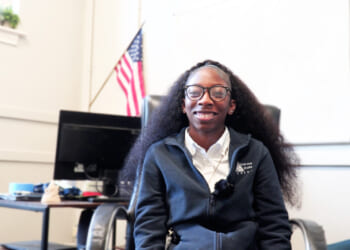
Maxwell Fjeld’s story, shared in The Hechinger Report, illustrates the transformative potential of Minnesota’s Postsecondary Enrollment Options (PSEO) program. By completing his associate degree while still in high school, Fjeld not only saved time and money but also gained confidence and clarity about his career path.
What is PSEO?
Minnesota’s PSEO program allows eligible 10th-, 11th-, and 12th-grade students to take college courses at Minnesota colleges and universities and earn both high school and college credit. (Admission isn’s automatic; students must meet eligibility criteria and receive acceptance from the participating postsecondary institution.) PSEO’s operation entirely within the college system makes it distinct from other rigorous course options like Advanced Placement (AP), International Baccalaureate (IB), and Concurrent Enrollment, explains the Minnesota Department of Education.
News coverage citing Minnesota State system data states that the number of Minnesota high school students participating in PSEO grew from about 14,584 in 2018 to approximately 21,165 students in 2023.
Increasing impact
While the state’s PSEO program already provides strong support — covering tuition, fees, and textbooks for high school students — Fjeld’s experience highlights both the positives for PSEO participants and also opportunities to strengthen and expand the program so more students can benefit.
Fjeld credits early advising for helping him navigate dual enrollment successfully, yet there may still be Minnesota students unaware of PSEO options. If a high school does not provide comprehensive PSEO counseling, or even up-to-date information about PSEO in general, students don’t always learn about the program in a timely manner, limiting their ability to plan.
To help alleviate this, high schools could consider integrating PSEO planning into 8th- and 9th-grade career and college guidance. Workshops could be made available to help families understand eligibility and benefits, too.
Fjeld also highlights the fact that the college credits he earned were transferable and met degree requirements. Within dual-credit systems, students sometimes face uncertainty about whether credits will transfer smoothly to four-year and out-of-state colleges. Minnesota could strengthen its PSEO program by ensuring higher ed institutions are transparent about transferability and promote statewide articulation agreements that guarantee wider acceptance of PSEO credits.
Fjeld’s story demonstrates what is possible through Minnesota’s PSEO program when families are empowered and barriers to advancement are reduced and how students’ academic trajectories are profoundly changed. Thoughtful program reforms such as expanding access and enhancing guidance and advising could help Minnesota ensure that more students — especially those from rural and low-income communities — benefit from the opportunities PSEO provides.