Price controls are famously known for being bad policy. Rent control, for instance, discourages housing development, reducing supply, which leads to even higher costs in the long run. A New York Times Op-Ed acknowledges this pitfall but argues that price controls can still be used. As expected, the case falls short.
As the authors explain, price controls are becoming popular with voters.
In New York, the democratic socialist Zohran Mamdani ran for mayor on a simple promise to freeze the rent, cementing himself as the affordability candidate and propelling his extraordinary rise to City Hall. In New Jersey, Mikie Sherrill, a moderate Democrat, scored a double-digit victory in the governor’s race after proposing to freeze electricity rates.
Given this demand,
The key for politicians who embrace price controls is to design them, and the policies that accompany them, to maximize their benefits and mitigate their costs.
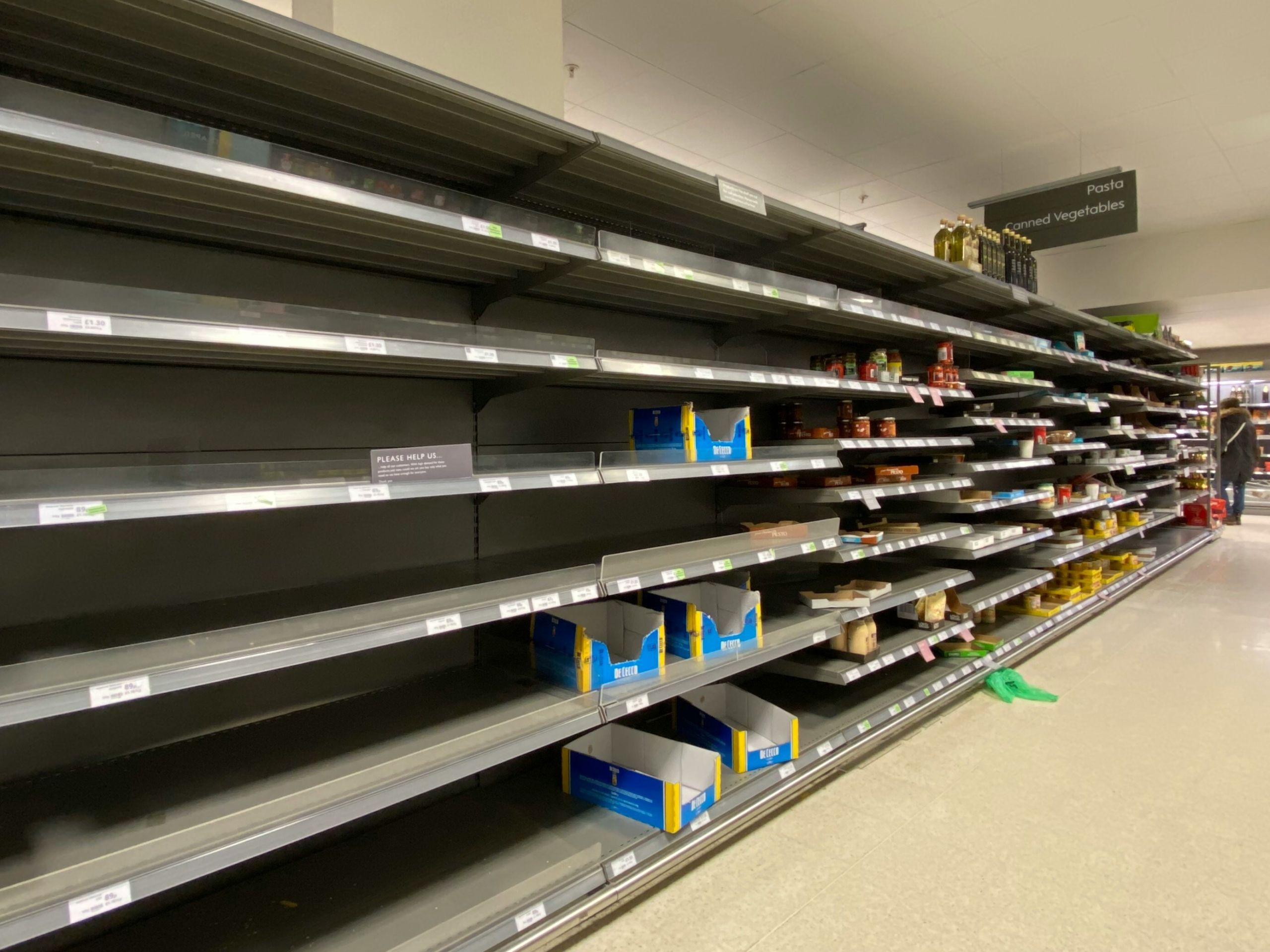
So, how do politicians avoid the disastrous Nixon-era price controls on gasoline, which, as the authors note, “led to shortages, station closings and round-the-block lines to fill up, especially when combined with spiking oil prices after the 1973 Arab oil embargo?” Or what happened in San Francisco in the 1990s when, due to rent control, “the supply of rental housing declined, as landlords converted units to other use?” In Cambridge, Massachusetts, investments in the housing market rebounded only after the abolition of rent control in 1994.
They suggest targeting controls to specific industries and encourage lawmakers to “step in if there are signs of price controls becoming permanent or spreading to other parts of the market.”
Additionally, lawmakers should use price controls only temporarily, and pair them with “supply-side reforms to expand new production.” Price controls, as the authors explain, “tend to stick.” To mitigate this, legislators could use,
sunset clauses, targeting controls to well-defined groups — such as existing tenants and low-income households — and backing long-term supply efforts with specific timelines and funding.
But if the strongest case for price controls is that they should be used only sparingly to prevent disasters they have caused elsewhere, then perhaps the wiser course is not to use them at all.