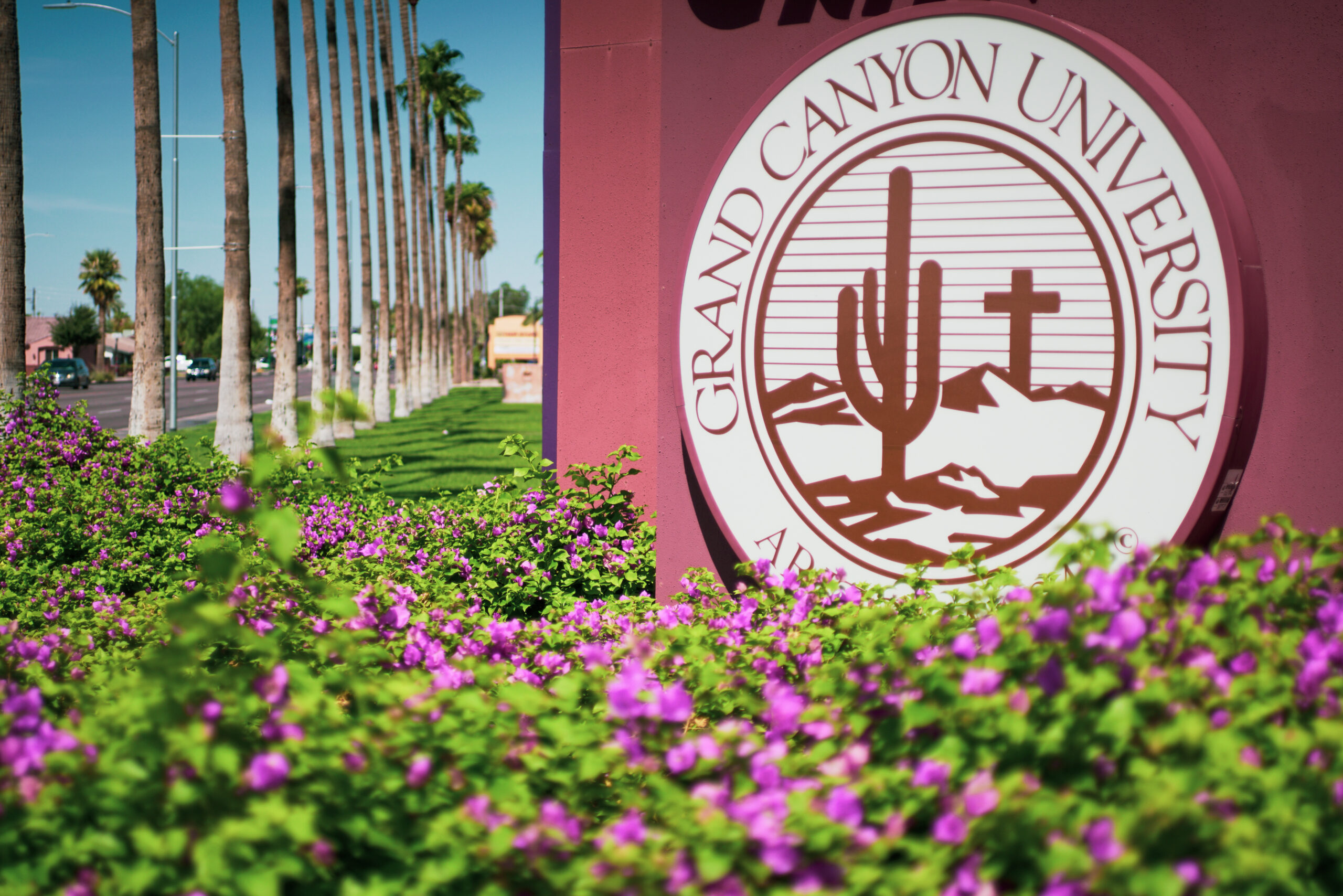
In 2023, the U.S. Department of Education issued the largest fine in the agency’s history—a staggering $37.7 million—against Phoenix-based Grand Canyon University, a thriving private, affordable college, that hadn’t raised tuition on students in over 15 years.
When the Goldwater Institute submitted a Freedom of Information Act (FOIA) for basic information about what led to the fine, the agency refused to provide the records. Now, in a victory for government transparency, a federal court has ruled that the Department was wrong to withhold several documents from the public that help to explain the Department’s record-setting fine against one of the most successful private universities.
The Department’s fine against GCU—based on highly questionable allegations about misleading doctoral students regarding course requirements during a dissertation—dwarfed all previous fines issued by the Department. This includes a $2.4 million fine against Penn State University for failing to report the crimes of serial pedophile Jerry Sandusky and a $4.5 million fine against Michigan State University for refusing to address sexual assaults committed by its one-time athletic director Larry Nassar.
The DOE also announced its unprecedented fine in a widely-distributed press release that was heavy on rhetoric but that did not mention any serious complaints from students or the public.
After learning these facts, and in light of the thin allegations, the Goldwater Institute submitted a FOIA request seeking communications related to how that fine decision was made and whether the Department coordinated with other federal agencies.
Instead of complying with FOIA’s clear 20-business-day deadline, the Department claimed that it would take more than half a year to respond, showing complete disregard for FOIA’s purpose of providing the public with the ability to see what its government is up to in a timely fashion. Only after Goldwater filed a lawsuit to compel the production of the records did the department provide highly redacted documents with minimal justification for withholding the records.
Now, a federal court has agreed with the Goldwater Institute that agencies require more than vague, generic justifications to shield otherwise public documents.
One category of documents that the Department claimed it could not release were press releases and briefing records. But the court ruled that there was no basis for withholding these documents and ordered the department to turn them over. The court also ordered the Department to produce other documents and partial documents that did not meet the standards for being withheld under FOIA.
The court’s ruling sends a powerful message to all federal agencies that transparency is not optional and they must comply with the law. The Goldwater Institute will continue to ensure they do so that other citizens and institutions are not subject to government overreach, done in secret.
Stacy Skankey is the American Freedom Network Litigation Director.