In recent months, the nation’s eyes have been on Minnesota, as chaos engulfed the Twin Cities during the Trump administration’s immigration enforcement here.
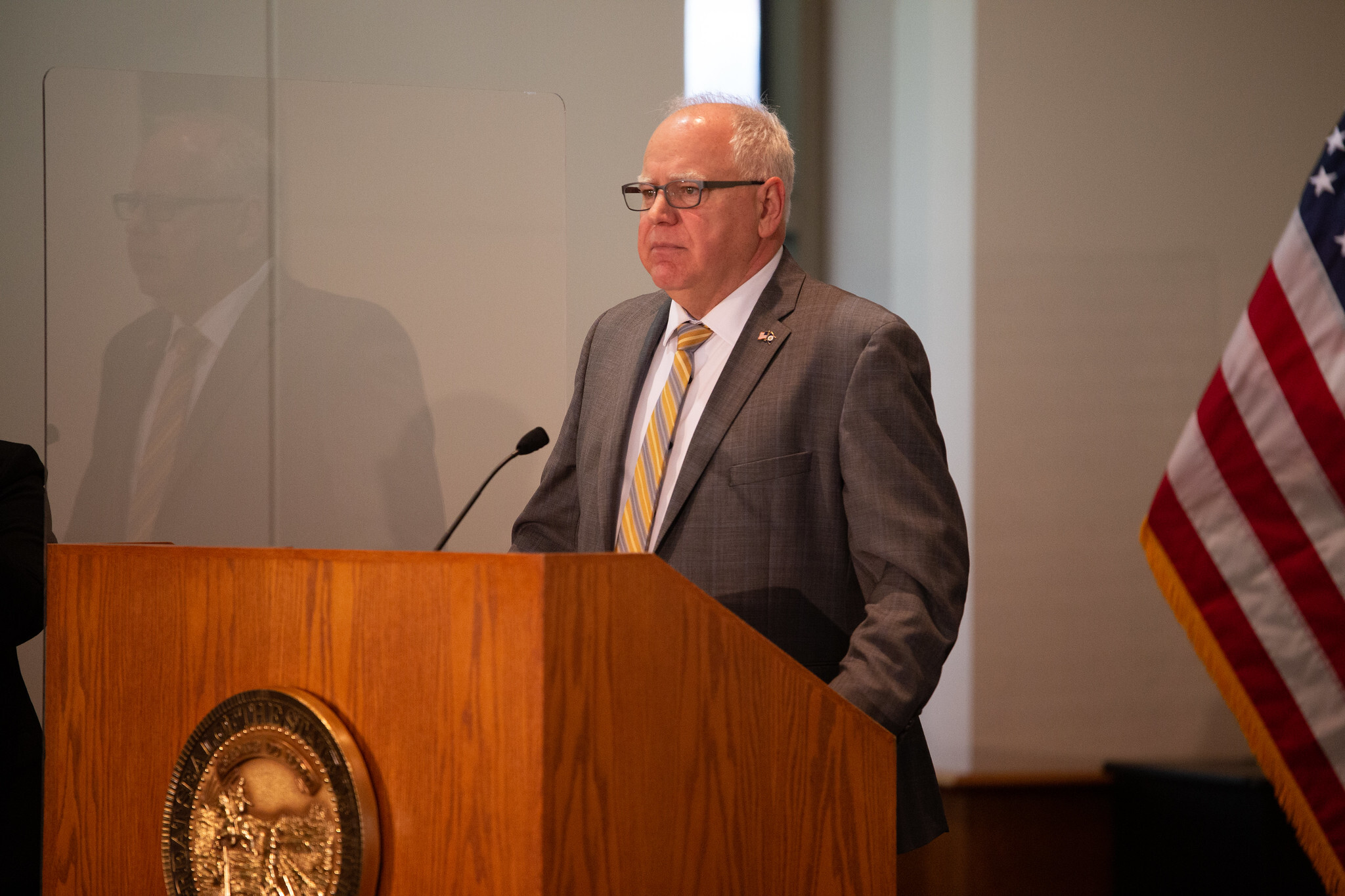
Gov. Tim Walz urged protesters on, exhorting Minnesotans to “resist” and document “atrocities.” As the mayhem escalated, he declared himself “incredibly proud” of “the way that you’ve risen to meet this unbearable moment.”
But media coverage has missed a bigger, more disturbing and far-reaching story. For years, Walz has made entrenching the “resistance” mindset in Minnesota’s next generation a top priority. Starting in fall 2026, the extremist ideology that undergirds it will be embedded in every grade and subject in our state’s roughly 500 public school districts and charter schools — via academic standards, statute and teacher licensing and training.
We are already seeing the results in our streets.
The vehicle is the Minnesota Department of Education’s comprehensive new K-12 “liberated” ethnic studies regime. This extremist pedagogy teaches that America is racist and oppressive and portrays opposition as a moral imperative. A new K-12 ethnic studies standard titled “Resistance” requires students to “organize with others to engage” in “resistance” to our nation’s fundamental institutions.
The Walz administration and its legislative allies knowingly chose committed political activists to design and direct the new ethnic studies regime. Now these activists are among those organizing our state’s young people to engage in “resistance” on Minneapolis and St. Paul streets.
One such group is Unidos MN, an “immigrant-led, BIPOC majority” organization that played a prominent role in drafting the Education Department’s ethnic studies standards. On Jan. 20, Unidos MN called a news conference urging students to walk out of school to join an upcoming march, rally and “day of action” — “no school, no work, no shopping.” Minneapolis-based Target Corp. — framed as complicit in immigration enforcement — was a special focus. As one flyer warned, “Hilton. Enterprise. Target: We are coming for you.”
Unidos MN — which trains young people in community organizing — is now promoting student walkouts and organizing guides with its news conference co-sponsor, the activist Sunrise Movement.
The Sunrise Movement’s “Rise Up” guide, for example, exhorts students to engage in monthly disruptions of the learning environment and “mass non-cooperation.” “We’re here to win a political revolution,” it proclaims. “This is your guide to start winning at your school right now.”
Students, it asserts, have always “been key to bringing down dictators” and strikes are vital to “bring massive corporations to their knees.”
The “Rise Up” guide lays out mass meeting templates with chants, slogans and “strike cards,” and advises students to seize on “trigger moments” — like the death of protester Renee Good — to build outrage and recruit peers. It identifies roles to fill “if your action” might “involve interactions with law enforcement.”
The long-term goal, the guide declares, is far larger than blocking immigration enforcement. It is to “prove our power so we can pick bigger fights.” Next up is May Day 2026, when organizers plan to muster millions of students in America’s streets to “disrupt through mass non-cooperation to halt the authoritarians’ advance.”
In fall 2026, Minnesota students will begin hearing the call to “resistance” in public school classrooms, starting in kindergarten. The Walz administration has turned to the University of Minnesota’s Center for Race, Indigeneity, Disability, Gender & Sexuality Studies (RIDGS) to write new, taxpayer-funded K-12 ethnic studies lesson plans.
RIDGS — which, like Unidos MN, played a central role on the Education Department’s standards drafting committee — is an amalgam of “oppression studies” departments that grew out of a student takeover of a University of Minnesota building in 1969. Its self-declared mission is “to challenge systems of power and inequality” and “imagine social transformation.”
RIDGS’ “resistance”-themed lesson plan for sixth-graders — titled “Protest Art and the Movement for Black Life” — is typical. Twelve-year-olds will study the Black Lives Matter movement’s “13 guiding principles” and “the role of protest art in mediating power in the city,” and “create their own protest art.”
Seventh-graders will study a “sit-in” staged in San Francisco in 1977 by “disability rights activists” and learn how protesters elsewhere “stormed” federal buildings. Then they will discuss how they can “advocate against ableism, including plans of action.”
Residents of other states may not be particularly alarmed by the Walz administration’s campaign to radicalize our state’s public schools. They may be tempted to roll their eyes and say, “I’m glad I don’t live in Minnesota!”
But students in Los Angeles, Florida, Tennessee and elsewhere are following Minnesota students’ lead in walking out of school to stage protests. The activist movement that Walz has unleashed in our state has national ambitions. Its adherents intend to disrupt education, make student defiance of legitimate authority the norm, and exploit vulnerable, easily manipulated young people to advance their own political agenda.
This article first appeared in The Minnesota Star Tribune.