Minnesota students hoping to load up on protein at lunch might soon rejoice.
After last month’s bipartisan Whole Milk for Healthy Kids Act was signed into law by President Trump, Minnesota lawmakers, headed by Sen. Torrey Westrom, are now attempting to update Minnesota state statute to codify the ability for students to access whole milk in their school meals.
Previously, Obama-era school lunch policies limited milk choices to skim or low fat only. Following the FDA’s flipping of the food pyramid in the most recent edition of their Dietary Guidelines for Americans, the Whole Milk for Healthy Kids Act updated federal guidance for the National School Lunch Program’s school lunches to include whole milk — now considered widely to be essential for healthy childhood development. Social media updates from the office of the Secretary of Health and Human Services that attempt to be humorous suggest that whole milk will continue to be a priority for the administration.
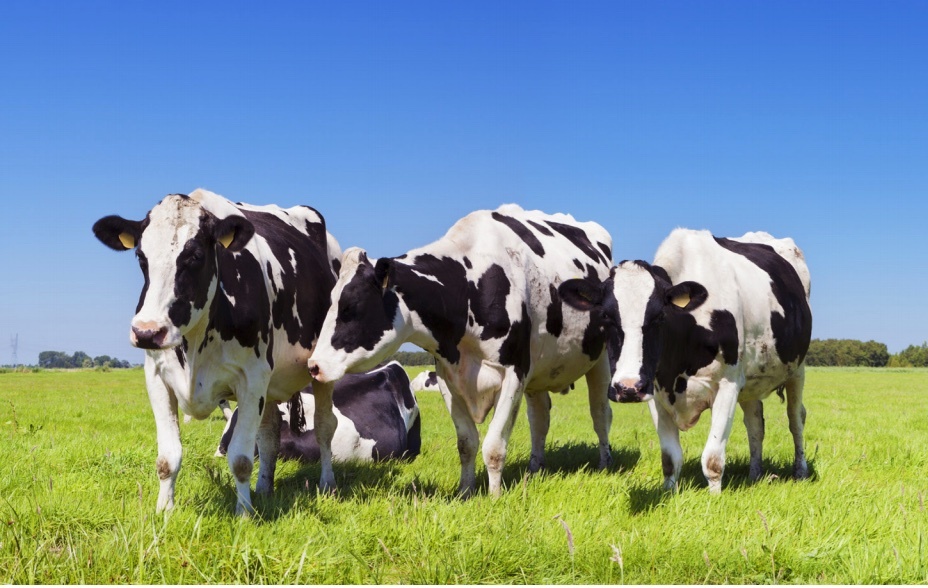
Minnesota’s proposed new pro-bovine milk policies would go further than the federal act, expanding the option for whole milk to both breakfast and lunch.
Following the 2023 Free School Meals Law, Minnesota now provides free breakfasts and lunches for all students within schools that qualify to participate in the National School Lunch Program. Every student at a participating school receives a free breakfast and lunch, regardless of if the individual student qualifies for free food under federal income guidelines. Minnesota reimburses schools for the cost of any meals that are not paid for by the federal government. As of 2024, every public school district in Minnesota and 167 charter schools participates in Minnesota’s Free School Meals program.
In a press release, Senator Westrom wrote:
Senate File 3687 would update Minnesota Statutes to conform to the new federal standards and formally restore those options in Minnesota school lunch programs. The bill also ensures parents may request a non-dairy alternative for their child without needing a doctor’s note.
“This bill is about giving families more choice, ensuring kids have access to the nutrition milk provides for those who choose it, and supporting our state’s dairy farmers at the same time. That’s a win for students and a win for our dairy farmers.”
At this time, it is unclear what the financial impact of this bill may be. The bill also does not explicitly state that all schools who participate in the Free School Meals program must offer whole milk, instead connecting the dairy requirement to participation in national school lunch programs. As the bill moves through committee, it will be interesting to see its trajectory.
The bill will now moo-ve to the Senate Education Policy Committee.