Ignoring recommendations from his own people, Walz will repeat the mistakes of MNSure and create a fraud biome under a new, massive bureau
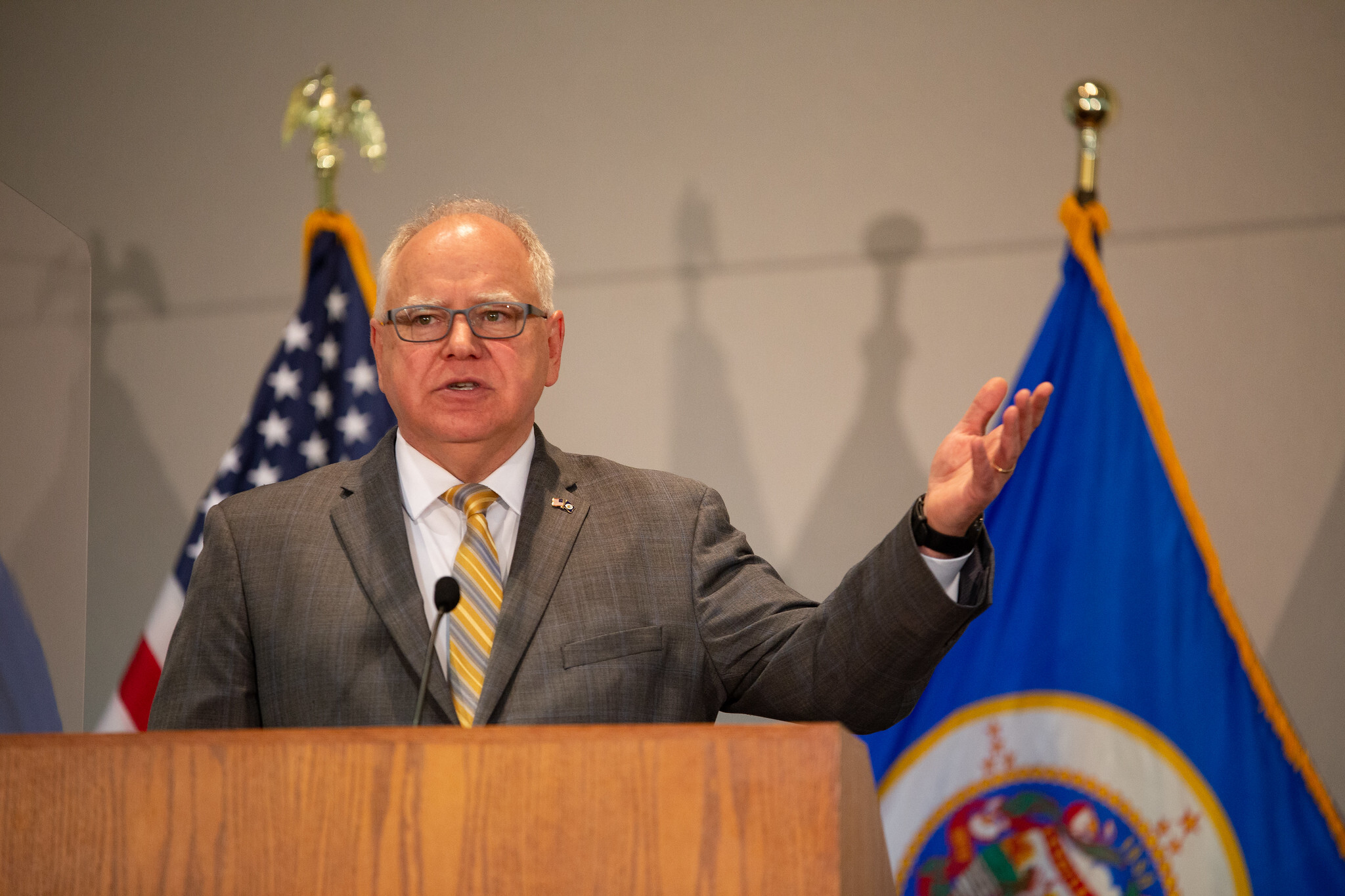
Today, March 10, 2026, Governor Tim Walz unveiled his plan to overhaul Minnesota’s human services system by centralizing Medicaid administration under the Department of Human Services (DHS). This includes shifting the task of determining program eligibility from counties and phasing out private managed care organizations (MCOs) in favor of a single statewide Administrative Service Organization (ASO) model. Walz called the current setup a “Frankenstein monster” and outdated, arguing centralization will curb fraud and modernize operations amid federal funding holds. However, the monster is not the doctors, the patients, or an old computer system. The governor held a press conference because he is overwhelmed by fraud. Fraud is the monster, and everyone knows it. His policies rewarded fraud for seven years and punished those who tried to stop it. Simply hiding the entire statewide Medicaid system under a governor-controlled bureau in Saint Paul, driven by a new website, will just make things worse.
Walz dismantles cost-controlling competition, overlooks simple verification tools, and fails to address core fraud drivers—while directly conflicting with federal requirements under the One Big Beautiful Bill (OB3, or H.R. 1).
Inexplicably, it contradicts or ignores key recommendations from Program Integrity Director Tim O’Malley’s February 23, 2026, “Roadmap to Program Integrity and Fraud Prevention,” which Walz’s team has ghosted despite the report’s submission to the governor and legislative leaders.
O’Malley’s 56-page report, based on an independent review, traced fraud vulnerabilities back decades (to the 1970s), citing ignored audits, fragmented oversight, outdated tech, and a culture prioritizing “compassion over compliance.” It outlined a nine-pillar strategy for proactive prevention: modern data analytics and tools (e.g., machine learning, biometrics), better inter-agency data sharing, standardized investigations, stronger penalties, and cultural shifts toward accountability. Yet, these core structural changes—especially the robust, enforceable oversight—remain unimplemented.
Kicking 800,000 people off their privately managed Medicaid plans…
MCOs provide essential competition. Private plans vie for contracts and enrollees by innovating care coordination, negotiating rates, and curbing unnecessary utilization—efficiencies a single state ASO lacks. Managed care creates incentives for MCOs to prevent overutilization. However, “ghost enrollees” exist who may live in another state, are deceased, or are paying for a private plan without knowing they are on Medicaid. In recent years, American Experiment has estimated this to be from one in five to one in ten enrollees.
Simple “I’m Not a Robot”-style verifications would achieve much of the eligibility cleanup Walz seeks without upheaval. “I’m not a robot” requires MCOs to confirm enrollees are alive, Minnesota residents, and desire coverage—while halting payments for improper enrollment. This would immediately save $300 million. MCOs already hold member data, so a basic attestation is targeted and low-disruption. MCOs should not be paid for people who live in another state, are covered under another policy, or are dead. That’s just common sense. “I’m not a robot” already passed a House Finance Committee and enjoys broad support. This could fund the county technology upgrades necessary without new funding or cuts elsewhere—all of it.
Third,Walz’s plan will not achieve compliance with OB3. The federal law (signed under President Trump) imposes work requirements, six-month renewals, noncitizen eligibility restrictions, and quarterly Death Master File checks. Minnesota’s high improper-payment rate already triggered $259 million in withheld funds (with up to $2 billion at risk), and CMS deemed prior corrective plans insufficient. Walz’s centralization sidesteps these mandates—focusing on internal restructuring over alignment—while ongoing lawsuits and appeals highlight noncompliance risks.
Fourth, MCOs limit prices through risk-bearing incentives. Capitated payments force them to negotiate aggressively and manage care efficiently; a centralized fee-for-service or ASO model removes that skin in the game, inviting unchecked spending.
Fraudsters thrive in fee-for-service systems without MCO safeguards like investigative units and analytics. Documented phantom enrollees and undercounted waste show fragmentation already leaks funds. Centralizing into one DHS silo makes large-scale exploitation easier. Anecdotal reports of Medicaid enrollees demanding to be placed on fee-for-service plans (in lieu of MCOs) due to peanut allergies beg the question of which route is easier for fraud.
Finally, county case workers know their community. They might know the enrollees or their families by name. They know better who is committing fraud and who needs help. Yes, their computers need to be replaced, but their experience and connection to their county and its people can not be replaced. It’s time to start truly listening to county case workers. They know where the waste is and they know the needs even better.
Walz’s approach expands bureaucracy while bypassing O’Malley’s unimplemented preventive pillars and OB3 fixes. Minnesota needs competition, simple verifications, MCO double-checks, and true compliance—not more centralized control that ignores expert warnings. The legislature should reject this and pursue the targeted, accountable reforms already on the table.