In Lake County and across Illinois, fire pensions are driving up property taxes and leaving fewer resources for safety.
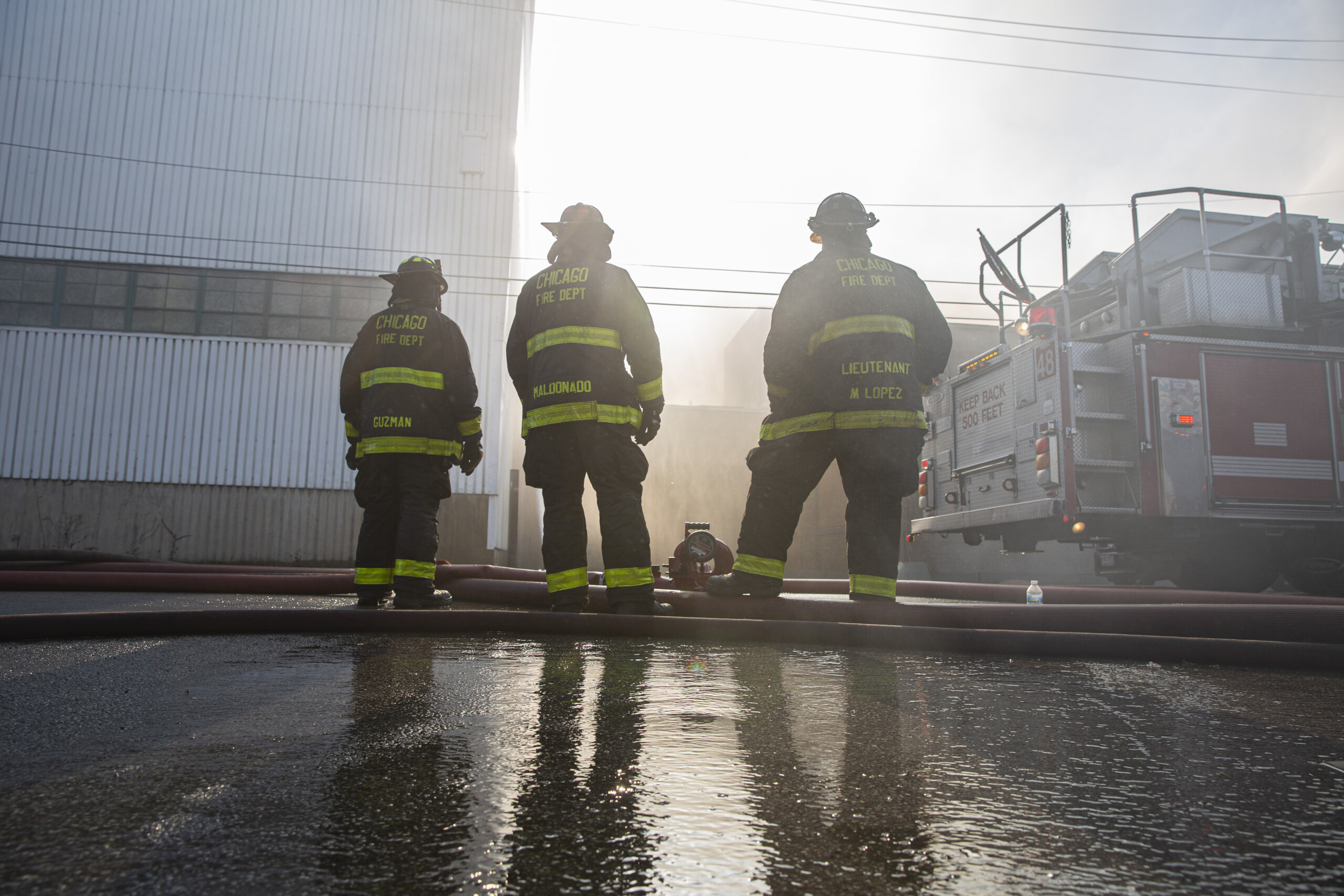
Chicago fire pensions may be close to insolvency, but the city is not alone: firefighter pensions are consuming most of the resources needed to keep communities safe.
Statewide, the most recent data shows municipal fire department increased property taxes by $371.6 million between 1996 and 2023, adjusted for inflation. While the total tripled, pensions have gone from taking less than half of the property taxes to taking nearly three-fourths: $311.6 million more in 2023 than in 1996.
Actual fire protection operated on $60 million more than in 1996.
Firefighters receive generous pensions, and rightly so given the dangerous nature of their work. However, when those benefits become overpromised – as they have become in Illinois – they undermine retirement security and reduce the amount of money available for service. Police and fire pensions outside of Chicago reported combined liabilities of $493.1 billion in 2024, with only 49 cents on hand for each dollar owed.
The low funding ratio isn’t because property taxes aren’t going towards pensions. In most counties more property tax revenue is going towards pensions than in the past. In 1996, 48% of these revenues went toward pensions compared to 73% in 2023. A similar pattern can be seen in counties across the state.
That doesn’t mean every town is cutting back on fire services, but it does mean an increasing share of local tax dollars is being consumed by pension costs rather than the services residents rely on.
At 1.83% of their home’s value each year, Illinoisans pay the highest average effective property tax rate in the nation. But in some communities, it’s worse than that figure would indicate.
Lake County is a perfect example: The effective property tax rate is 2.68%. That’s the highest in Illinois and ranks No. 9 nationwide.
Higher property taxes should lead to better-funded services, but that’s not how things have played out. While the money going toward fire pensions in Lake County has grown by $20.4 million, the amount going to services has dropped by $3.3 million. The county sees 83% of property tax revenues collected for firefighters going toward their retirements rather than their work. Less than 30 years ago, it was only 38% of property tax revenues.
A similar pattern can be seen statewide. Tax revenues going toward these essential workers across the state have risen $371.6 million since 1996, but only 16% of that growth has gone to support existing workers delivering services. The rest, 84%, has gone toward keeping up with pension benefits.
That means Illinois residents are paying more while services receive a smaller share of the funding. That means less essential equipment firefighters need to stay safe and fewer resources to protect the community.
Constitutional change, local pension buyouts and optional defined contribution plans are all solutions that could balance out the rising costs of pension obligations to keep these retirement systems intact. To keep Illinois communities safe, state leaders must allow responsible reform.