Illinois’ broken budget process allocated taxpayer dollars to an art group best known for its floating exhibit on the Chicago River.
Illinois’ 2026 state budget gave $742,847 to the Floating Museum, an art collective turning public spaces into unconventional art displays, an example of state leaders playing favorites with tax dollars while avoiding public scrutiny.
The group’s notable projects include an 100-foot barge of artwork floated down the Chicago River, installing art along the Green Line of the CTA and erecting a 30-foot inflatable monument called “for Mecca.”
It also runs a workforce development program called Floating Works, which teaches students about art conservation and woodworking. It has students make weekly reflections on their family, food and culture, then build a dining table depicting their feelings.
The Floating Museum’s political leanings surface in its piece, The Garden, linking “colonialism, capitalism and violence.”
The Illinois Department of Human Services issued the grant for “operating expenses and prior years’ expenses.” This is extremely vague and lacks any information on the organization’s goals or what is expected for taxpayers’ $742,847.
Taxpayers should not have to foot the bill for niche or politically driven arts education and workforce programs, or at least it should know why this group is worthy of state investment versus another art project. Illinois’ opaque budgeting process allows questionable spending to sneak its way into the budget. Lawmakers pass the budget in a rush, with little time for review or debate, and no requirement to justify or audit earmarks.
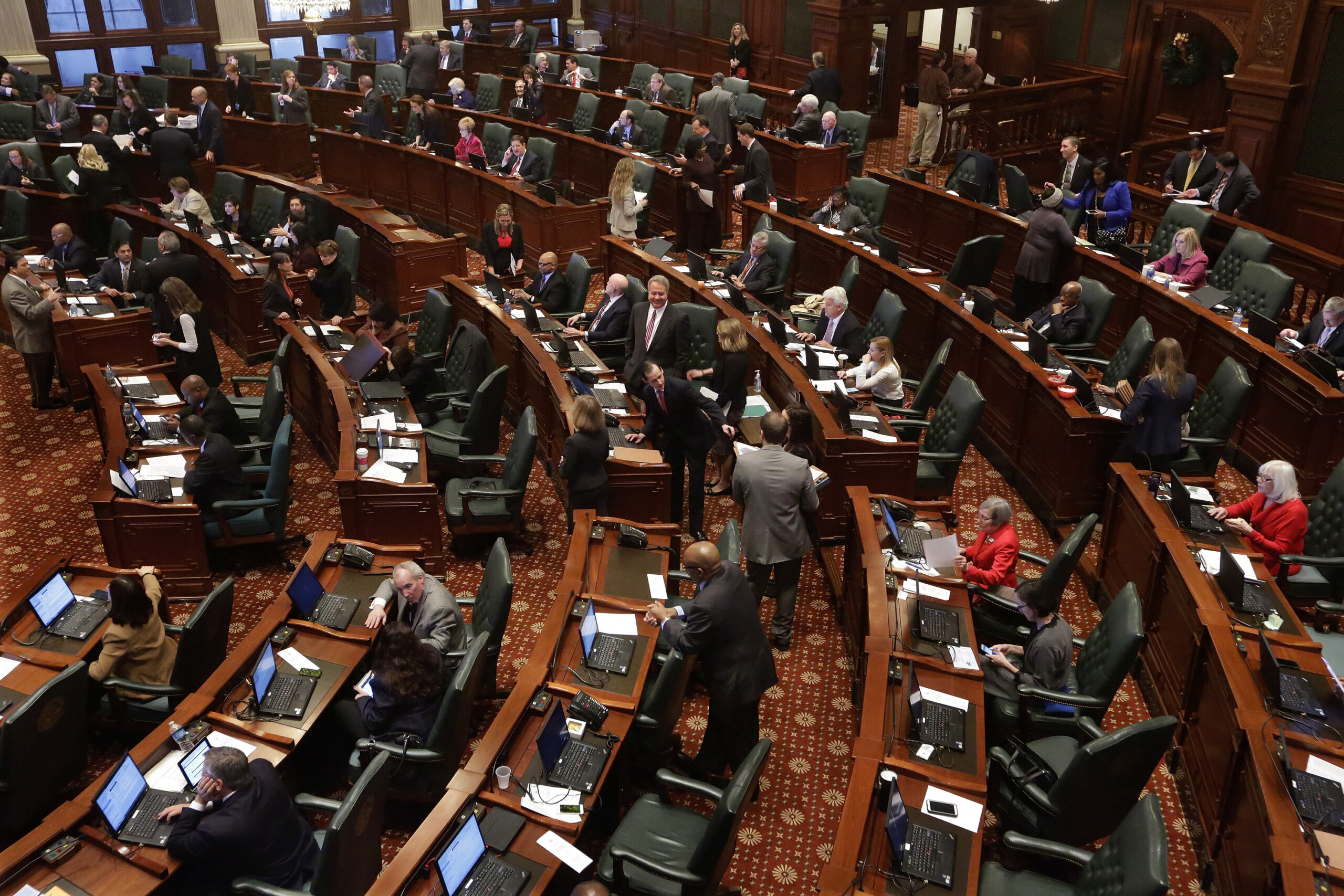
Lawmakers claimed the 2026 budget contained no pork, but a closer look shows 2,815 items over $200,000 lawmakers decided to fund in the final hours of the legislative session – rushed, harmful to taxpayers and with no time for public scrutiny.
The items include the Floating Museum grant and $40 million for a sports complex at the alma mater of Illinois House Speaker Chris Welch.
Competitive grants with objective evaluation criteria and reporting requirements should be scored and tracked by a state agency to ensure the funds are allocated and used properly. These earmarks should be made public well in advance of the budget vote – not hidden so state lawmakers can foster a photo-op to bolster their reelection bids. Taxpayers should know why the money is being spent and what the public should expect in return for the support.
Illinois doesn’t need to spend tax dollars on floating art exhibits with dubious goals. It needs to fix its broken budget system.
Reforms such as a state budget spending cap, mandatory public review periods and requiring detailed grant disclosures would help restore transparency and trust in Springfield. A little sunshine would ward off waste.
Want to see the 2,815 earmarks and questionable spending state lawmakers put in this year’s budget? Use our look-up tool below.