A couple of weeks ago, I submitted testimony to the House Transportation Finance and Policy Committee in support of HF 4111. Below is an edited version of my remarks.
The problem
The Met Council’s February report “High-Subsidy Transit Route Analysis” found that, on weekdays, urban bus rapid transit (BRT) routes require subsidies of between $5.32 to $7.09 per passenger per ride, the Orange and Red lines require subsidies of $13.26 to $18.00, and that “Core Local Bus” routes rely on subsidies that can range anywhere from $7.04 to $23.07.
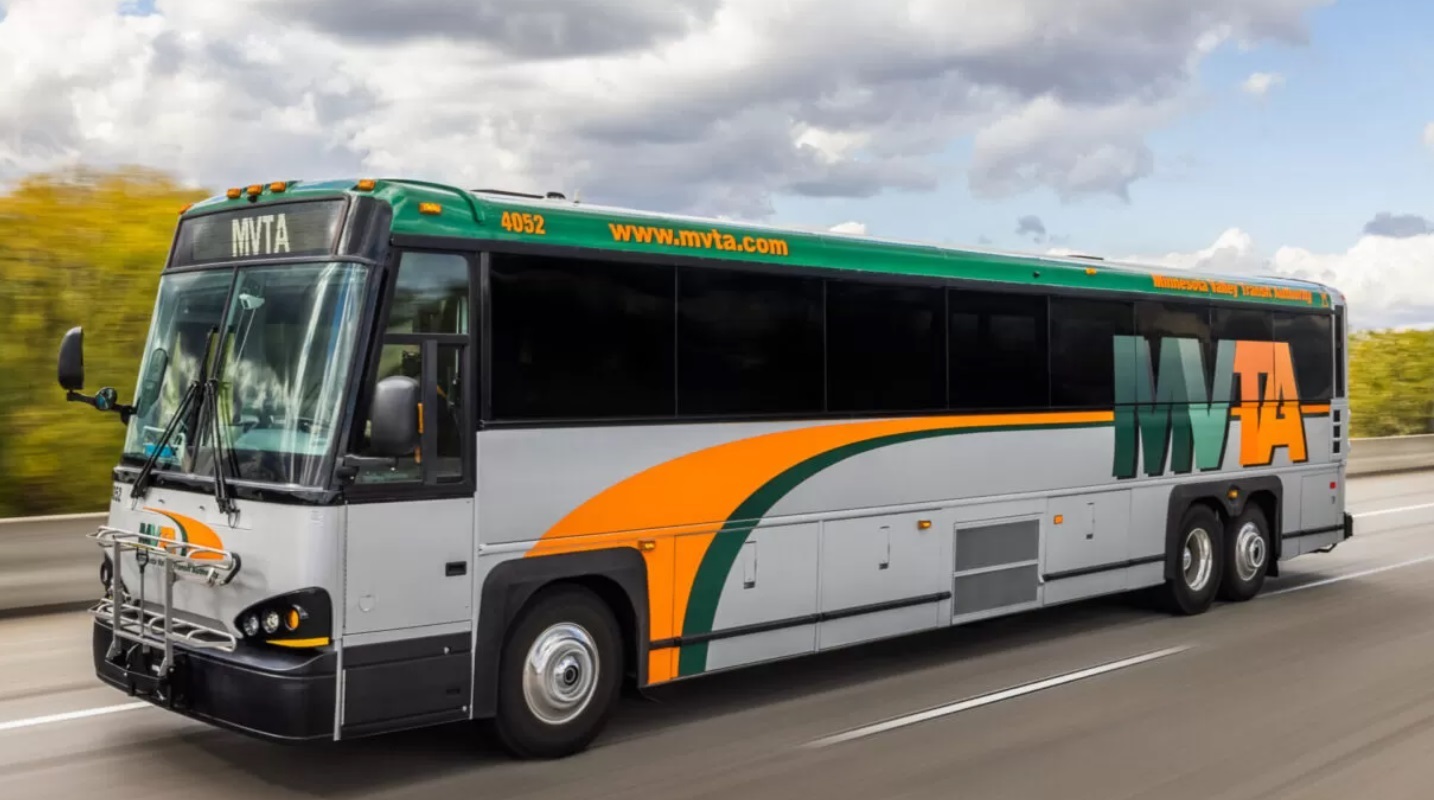
These numbers pale in comparison with most of the south metro suburban bus services run by the Minnesota Valley Transit Authority (MVTA). Here, per-passenger subsidies can climb as high as $200 per passenger per ride. Of MVTA’s 48 suburban bus routes, about 17 to 20 fall into the “high subsidy” category, with subsidies in the high double-digits — around $50 or more. Six MVTA corridors exceed per-passenger subsidies of $90 and MVTA — which accounts for 2.6% of Total Transit Ridership — accounts for two-thirds of all high subsidy routes which swallow 30% of their entire budget.
Those numbers reflect day-to-day operating costs, not the cost of capital construction or new train cars or buses.
The solution
The high subsidy routes should, quite simply, be terminated. While it is true that this will leave some areas unserved, this problem is not likely to be large given the high subsidies required to provide the service and the low usage that indicates.
In addition, this bill would fold the four “Opt-Out” providers — Maple Grove Transit, Minnesota Valley Transit Authority (MVTA), Plymouth Metro Link, and South West Transit — into a single regional system operated by Metro Transit. These agencies were created in the 1980s because suburban communities were paying local property taxes into the regional bus system and wanted a voice on how their local taxes were being invested in service. That changed in 2001, when the Legislature eliminated the transit operating property tax and replaced it with state general fund support and Motor Vehicle Sales Tax (MVST) revenue. Since 2002, all providers — Metro Transit and the opt-outs — have drawn from the same state funding pool, so there is no need to maintain five separate administrative structures when four deliver only 4.5% of the rides and one — Metro Transit — the other 95.5%.
Eliminating high-subsidy routes could yield some $23 million in annual savings from operating costs alone.
Ending the current “Opt-Out” model would enable us to deploy resources more efficiently and recognize economies of scale. Combined, the collective administrative overhead of the four is 52% of their budgets. This can be eliminated.
In the name of more efficient, economical transit, we support this bill.