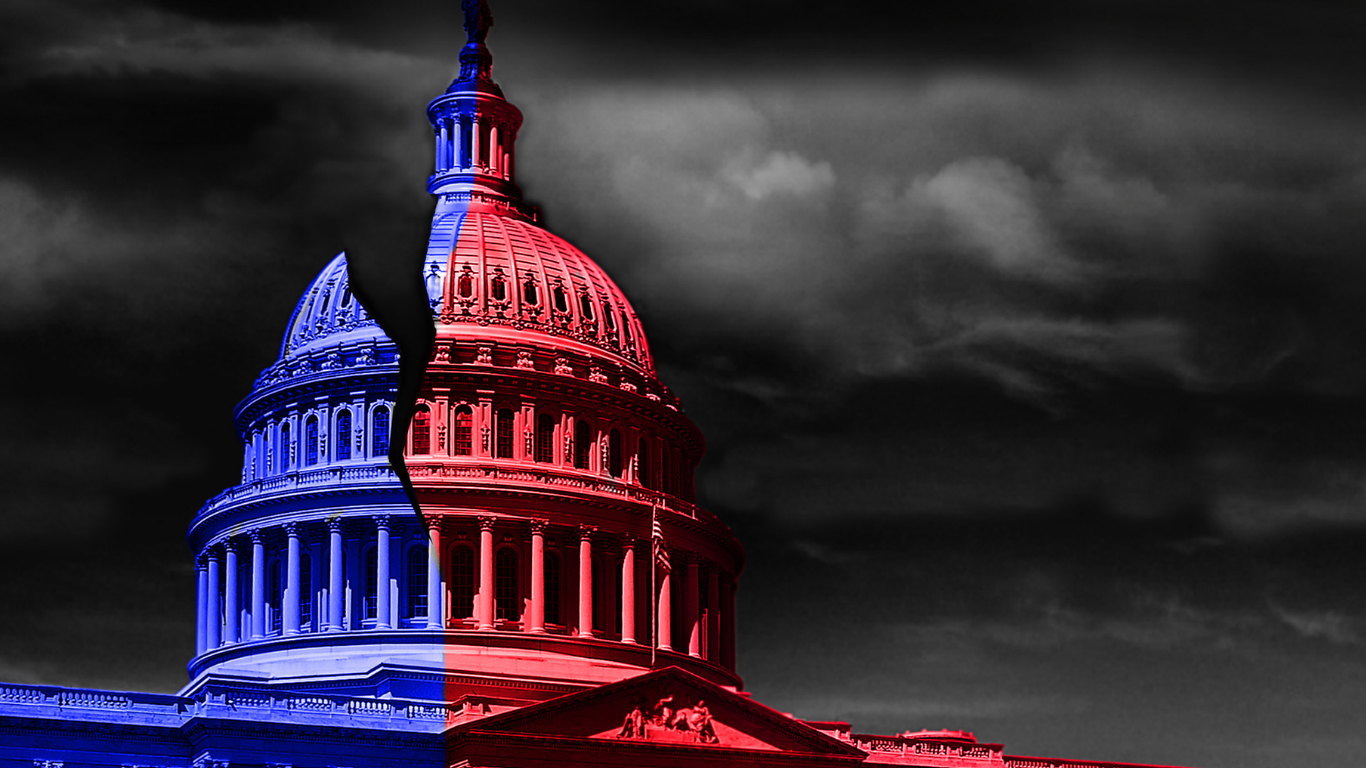
Look at what’s sitting underneath the poll’s headline findings. Seventy-one percent of likely Florida voters polled say the country is extremely or very divided. Forty-four percent don’t feel safe saying what they think out loud. Fifty-nine percent think the state of the Union is troubled. And thirty-nine percent are first-generation Floridians, meaning nearly four in ten people in Florida liked somewhere else so little that they packed up and left. You don’t move states because things are going fine.
This is not a polarized public in any meaningful sense. It’s a public that has been let down by institutions.
Once you see that, the poll’s technology findings stop being about technology. The question Floridians are really asking isn’t whether a given technology is good. It’s whether anyone will be accountable when it isn’t. Poll respondents extend the benefit of the doubt where accountability is visible: they support AI literacy, because you can learn it; they support expanded energy infrastructure, because Florida’s building it, for Florida. They pull back where accountability is absent: autonomous vehicles, because when a self-driving car injures someone, the responsible party is an algorithm; foreign-made medical devices, because the answer to “who do I call?” might be Beijing.
Sixty percent of Floridians consider autonomous vehicles unsafe. I’d argue that the verdict has almost nothing to do with sensor technology or crash statistics. The word doing the real work in that question is “autonomous.” By design, the human is not in control. For a public that has spent years watching institutions make decisions that affected them, that is not a technical concern. It’s structural.
The property tax findings belong in the same pile. Seventy-seven percent want reform or outright elimination. Fifty-four percent say they’re paying more than five years ago. That’s not a tax policy opinion. It’s a complaint about a system that keeps sending bigger bills without explaining itself, to Floridians who remember when the bills were smaller and were told not to worry about it.
The education numbers get filed as yearning for a bygone era, which is the laziest possible read. Eighty-seven percent want cursive writing taught in Florida’s public schools. Seventy-six percent think an A should actually mean something rather than being calibrated to make everyone feel adequate. These aren’t people pining for 1955. They’re people who’ve watched institutions quietly lower standards for years and would like them to stop. What they want is for institutions to mean what they say.
The same instinct is behind the Constitution and voter ID numbers. Seventy-three percent say the Constitution is still relevant. I’d read that less as reverence and more as insistence: the founding promises should still mean something. Seventy-six percent think voter identification requirements would increase confidence in elections. Whatever the merits of the policy, the sentiment underneath it is the same one running through every other finding in this survey. Elections should mean what they say. A vote should be a vote, verifiable and real, not a number that gets massaged until it produces the right answer.
There’s a version of this story that treats it as a right-wing phenomenon, an artifact of MAGA skepticism toward elite institutions. That reading doesn’t survive contact with the numbers. The distrust here is too broad, too consistent across issue areas, and too grounded in specific grievances to be explained by partisanship. People aren’t distrusting institutions because they’ve been told to. They’re distrusting institutions because the institutions gave them reasons to.
That’s actually the harder problem to solve. Polarization can be addressed by lowering the political temperature. A public that has simply stopped believing requires something more difficult: performance. Not better messaging.
Florida keeps attracting people who’ve already been disappointed somewhere else. Thirty-nine percent of this sample relocated here within living memory. They voted with their feet before they voted in any booth. They know what a failed institution looks like. Policymakers who think they can close the trust gap with a press release are going to find out what the rest of us already suspect: Florida’s electorate has a pretty reliable detection system for the gap between what’s promised and what’s delivered, and it’s been getting a lot of use.