Restaurants and bars bid to be along Chicago’s Riverwalk, so why a proven business with a lucrative offer was booted is a mystery wrapped up in a secretive city panel.
Robert Gomez opened Beat Kitchen on the Riverwalk as a chance to contribute to one of Chicago’s most iconic public spaces, helping the city pay down its Riverwalk loan through rent and sales.
His civic mindedness ran up against City Hall’s bureaucracy.
“When I first bid for the space, the city told me they would handle electricity, water and plumbing,” Gomez said. “A week later, they said the city was broke and couldn’t do any of it – but I could revise my offer. We cut our rent proposal in half, figured it out ourselves and still made it work.”
Building under Lower Wacker Drive was a massive challenge, but Gomez pushed through.
“We had to install everything ourselves: plumbing, electric and water lines. We even had to buy $70,000 worth of patio furniture. The city owned it, and they later gave it out to other tenants for free. We just kept going.”
The restaurant’s first year in 2019 had delays from the city’s Riverwalk management leading up to the COVID-19 pandemic. They exceeded expectations during the next three years and showed healthy signs of future growth.
Gomez was an experienced restaurant owner. For more than 30 years, he operated Beat Kitchen and Subterranean, popular Chicago venues that blend food, music and community.
When his Riverwalk lease ended in November 2023, Gomez was ready for an extension. Instead, the city waited until March 2024, just before summer, to open a new bidding process.
“They gave us a month to apply. I submitted on time and kept paying all the costs, about $180,000, to keep things running while they made their decision.”
Months turned into more than a year.
“Every time I asked for an update, they said ‘two more months.’ When I filed Freedom of Information Act requests, I found out I was the only on-time applicant. They reached out to someone else that had applied for a different, smaller kiosk, and gave them the space.”
“One of the categories they used to measure applications is finances, how much money the city can expect. My proposal offered $1.4 million to the city during a five-year period. Theirs was $52,000, but they scored higher in that category.”
Through those city records, Gomez learned the selection committee had six members – “three from the same department that runs the Riverwalk. No public meetings. No appeal process. No oversight. It’s a secret committee.”
He’s not asking for pity or revenge.
“This isn’t about me losing a lease,” Gomez said. “It’s about the city losing millions of dollars and betraying the public’s trust. If we’d been allowed to stay, the city could have earned nearly $5 million. Instead, the space sat dark while insiders rewrote the rules.”
After city workers couldn’t explain the decision, Gomez took legal action.
“We did our part. It’s time the city did its part by following its own laws and making this process transparent.”
City leaders did not respond to requests for comment. A city spokesman previously told ABC 7 reporters it doesn’t comment when there is pending litigation.
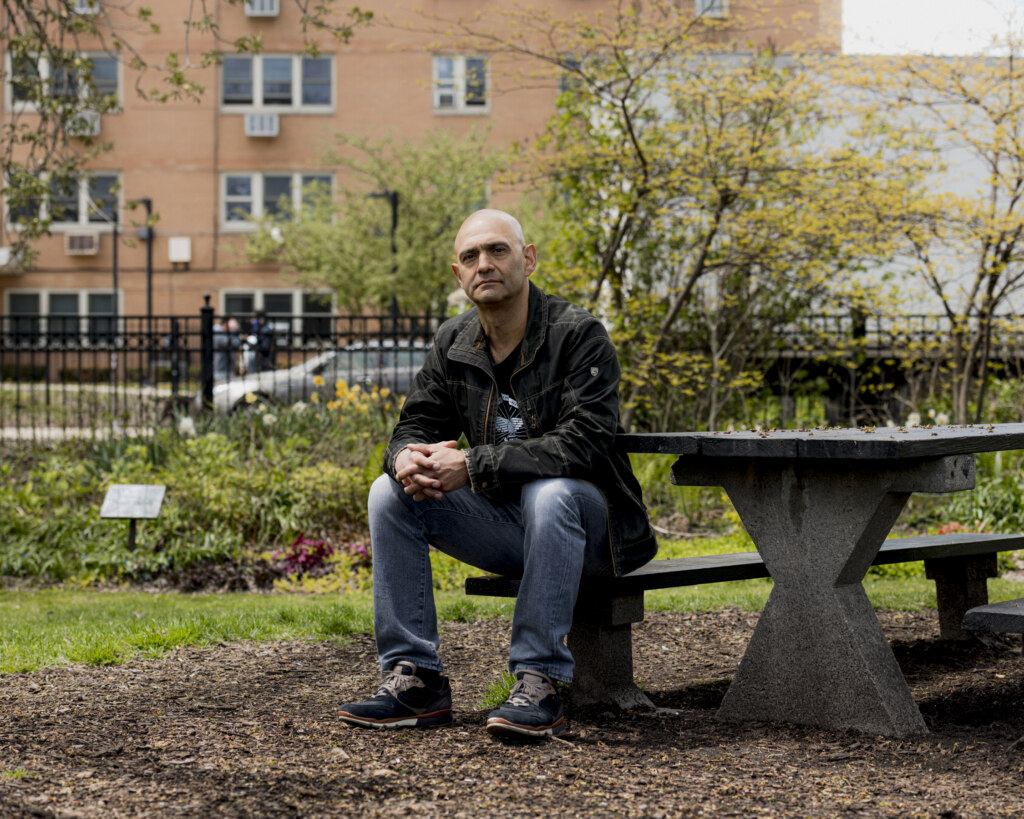
Photo by Lyndon French