A Lombard housing project shows how smaller lots can lower costs, boost development and help Illinois address its housing shortage.
Smaller lots aren’t just for smaller houses: they helped make a luxury development in Lombard, Illinois, possible.
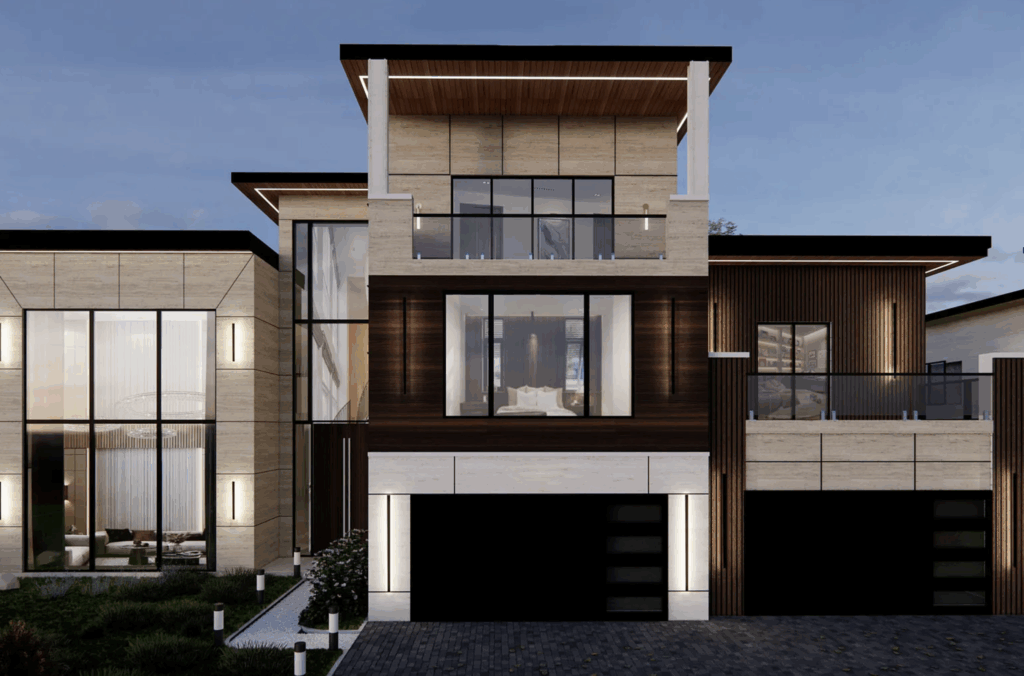
Ahmed Khan, CEO of Afsar Developers, is building a new housing development along Meyers Road in Lombard. After initially announcing the project, buyers told him they wanted larger homes, and so that’s what he’s building: 11 homes, each about 12,000 square feet on nearly four total acres of land.
The Pinnacle at Meyers homes are priced between $2.6 million and $2.8 million, which is roughly half of what similar homes would cost in nearby Oak Brook or Hinsdale. While the last thing most people would think when reading about these homes is “affordable,” they’re much more affordable than many other properties in the area.
The difference, Khan said, comes from Lombard’s willingness to allow smaller lots.
 “Building on modestly smaller lots in Lombard – roughly one-quarter to one-third acre – lowers the land basis and horizontal costs per home versus ultra-premium suburbs,” Khan said. “That’s a major reason we can offer contemporary, 11,000- to 12,000-square-foot homes in the $3 million range here, while comparable builds in Hinsdale or Oak Brook would run closer to $6 million. That land dynamic is a big part of making the numbers pencil.”
Illinois faces a housing shortage that researchers estimate will require doubling current construction rates during the next five years to meet demand. Every type of housing is needed, from modest starter homes to high-end builds such as Khan’s.
Developments such as the Pinnacle at Meyers create options for buyers looking for larger, modern homes. They also free up existing smaller houses for families just starting out or downsizing.
Other Illinois suburbs maintain larger minimum lot sizes that prevent similar projects, even when infrastructure, land availability and market demand align. In Hinsdale, for example, the minimum lot size for homes in the single-family zones is 30,000 square feet, three times what it is in Lombard. This drives up costs and limits new supply.
Even modest flexibility in lot size can make high-quality construction viable while keeping prices under control. Smaller lots reduce the cost of land and allow for more efficient use of existing infrastructure, all without sacrificing neighborhood character.
As Illinois looks for ways to close its housing gap, towns that allow a range of lot sizes and housing types will be better positioned to grow. Lombard demonstrates that flexible zoning will help meet demand, expanding opportunity and helping more Illinois families find a place to call home.