US consumer prices rose 0.4% in October, more than economists expected
Prices climbed faster than forecast in October as food, housing and electricity costs rose, raising the odds of a Federal Reserve rate hike in December.
The full story
Here is the full story. Consumer prices in the United States rose 0.4% in October, faster than the 0.3% increase economists had forecast, the Bureau of Labor Statistics reported Tuesday. The pace eased from a 0.6% rise in September, largely because energy costs climbed far less. Core prices, which exclude food and energy, rose 0.3% for the third straight month, above the 0.2% that forecasters expected. It was the third consecutive month of hotter-than-expected inflation.
The bureau did not publish an annual inflation rate. The government shutdown in October 2025 stopped it from collecting prices that month, so there is no year-ago figure to compare against. Economists filled the gap with estimates. Heather Long, chief economist at Navy Federal Credit Union, put the 12-month rate at about 4%, up from 3.7% in September, and Oxford Economics estimated 3.9%. Average hourly earnings rose 3.1% over the past year. "Inflation is running at about a 4% pace in the past year, wiping out all wage growth for the typical worker," Long said. The bureau did publish yearly changes for a few series based on other data: gasoline was up 37.4% over 12 months, new vehicles 0.7%, and used cars and trucks were down 3.3%.
The increases were broad. Energy prices rose 0.7%, down from 5.2% in September, with gasoline up 1% even as the average price at the pump fell during the month. Gas dropped below $4 a gallon nationally this week for the first time since July. Electricity rose 0.9% and home heating oil 2%. Food prices rose 0.5%, the largest monthly increase since April, with groceries up 0.4% after a September decline and restaurant prices up 0.5%. Beef rose 0.9%. Shelter costs rose 0.3% and accounted for more than 30% of the overall increase. Baby food and infant formula posted their largest increase on record, 5.1%, and smartphones rose a record 1.4%. Hospital services, motor vehicle insurance, recreation and airfares also climbed, while used cars and trucks fell 1.2%. Economists and White House officials pointed to higher diesel and gasoline costs linked to the Iran war filtering through to other prices, and some cited demand tied to the AI boom and tariffs.
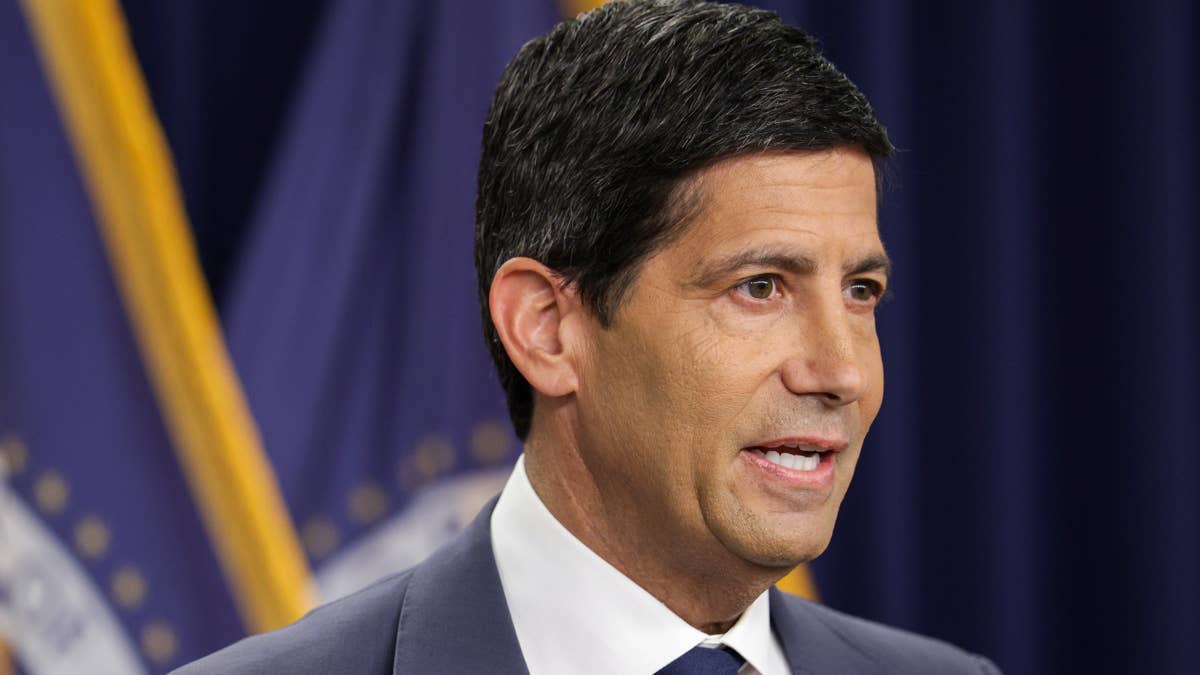
Officials in the administration called the figures a letdown. Kevin Hassett, director of the National Economic Council, called it "a disappointing report." Chris Phelan, chairman of the White House Council of Economic Advisers, said, "It's not a good number." Diane Swonk, chief economist at KPMG, described "the worst bout of inflation relative to wage gains since the 1970s." The report came a week after midterm elections in which voters' concern about prices played a large role and Democrats won control of Congress.
The figures sharpened the debate at the Federal Reserve, which raised rates in September and held its target range at 3.75% to 4% in October on a 10-2 vote. Speaking in London before the release, Governor Christopher Waller said he would back a quarter-point hike at the Dec. 8-9 meeting regardless, and that if core inflation rose 0.3% or more, a half-point hike should be considered. "Hiking only 25 basis points would put our credibility at risk, a risk I am not eager to take," he said. Dallas Fed President Lorie Logan, one of the two October dissenters, said afterward that the Fed needs at least two more quarter-point increases and that it "may be possible to move more rapidly" this winter. The Fed has not raised rates by half a point in a single meeting since 2022. Gregory Daco of EY-Parthenon said the report likely "seals the deal" for a December hike, and Long said the Fed "has to act in December." After the report, the CME FedWatch tool showed traders putting roughly an 85% to 90% chance on a quarter-point increase in December and about a 10% to 15% chance of a half-point move, with odds of no change falling to zero.
Markets reacted quickly. The yield on the 10-year Treasury note, a benchmark for mortgage and car loan rates, rose to about 5% from 4.88% on Monday, and the 2-year yield climbed to about 4.73%. The S&P 500 fell 0.4% to 7,520.93, the Dow dropped 157.86 points to 52,231.89 and the Nasdaq lost 0.7%. Homebuilders including Lennar, D.R. Horton and PulteGroup fell sharply. The dollar gained against major currencies. Separately, the New York Fed reported that credit card balances reached a record $1.29 trillion in the third quarter. The next inflation report, covering November, is scheduled for Dec. 10, one day after the Fed's decision.
Reported by
- TheStreet: Jumbo Fed rate-hike warning sends shock waves after inflation surprise
- Axios: Harsh new inflation reality
- Fox Business: Consumer inflation rises faster than expected in October, CPI report shows
- Los Angeles Times: Stocks slip following a discouraging update on inflation
- Breitbart: Breitbart Business Digest: Inflation Is Getting Worse
- CBS News: Hotter-than-expected inflation raises chances of Fed rate hike
- The Center Square: Prices up 0.4% in October; shutdown wiped out annual inflation rate
- The Independent: Early promise fades after hot US inflation print
- The Guardian: US inflation rose 0.4% in October as price increases cooled and gas costs dipped
- BBC News: US inflation higher than expected in October - here's what is happening with prices
- New York Post: Inflation hotter than expected in October as energy, food prices surge
- NBC News: Inflation still a headache for consumers despite cooling last month
Get this email every day
Sign up below to get this news briefing delivered to your inbox every day.
Other news / Full articles
 Lawmakers in both parties question Jensen Huang's return as Nvidia chief executive
 Nvidia board reinstates Jensen Huang as CEO after Trump intervenes
 Nvidia shares and stock markets surge after Jensen Huang returns as CEO
 Anthropic goes public on Nasdaq in the largest IPO on record
 Senator Kennedy seeks sworn testimony from Lutnick and Bessent over Nvidia chip exports
 UN climate talks in Turkey end without an overarching deal