UN climate talks in Turkey end without an overarching deal
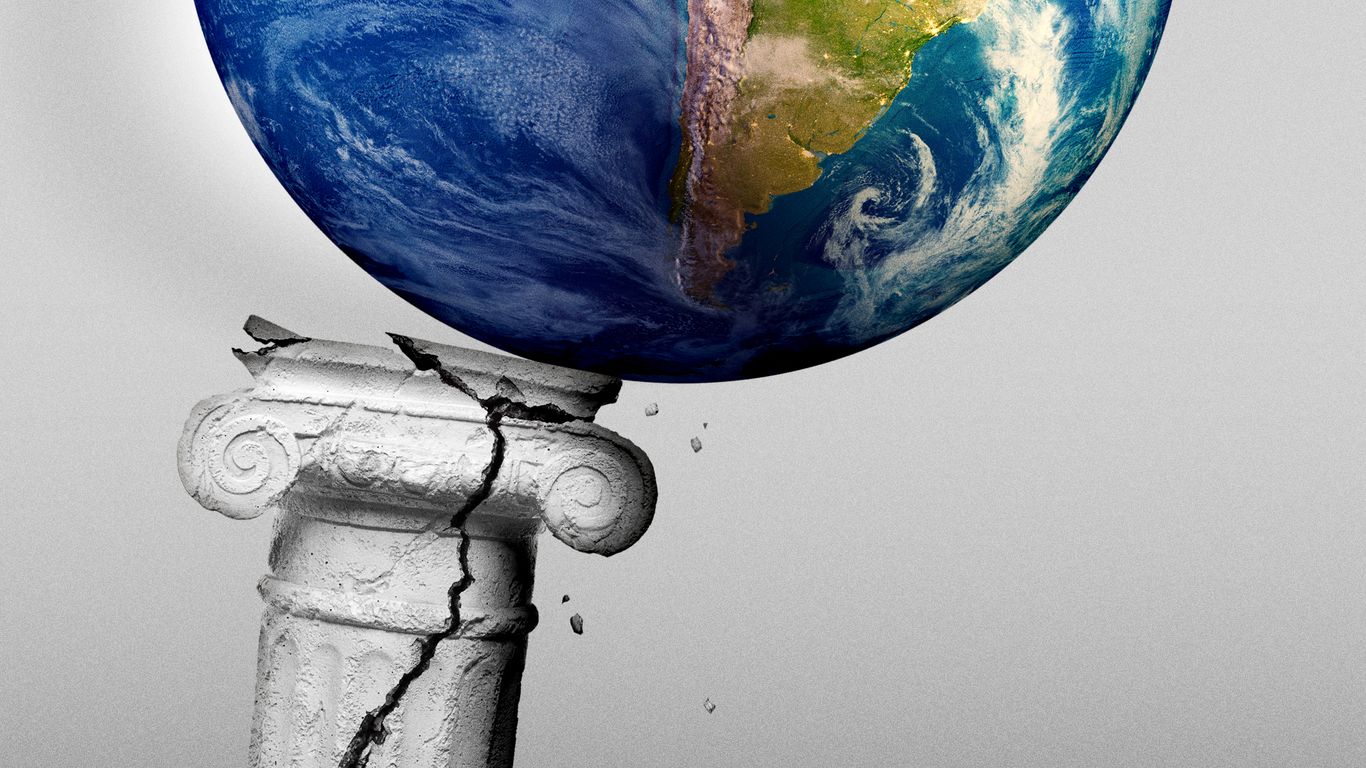
The COP31 summit in Antalya collapsed Sunday after the EU and other nations rejected a final draft that made no explicit mention of fossil fuels.
The full story
Here is the full story. The United Nations climate summit known as COP31 collapsed on Sunday in Antalya, Turkey, without adopting an overarching agreement. The talks ran two days beyond their scheduled close, the longest in three decades, before Turkish COP31 President Murat Kurum told the closing plenary that no consensus existed. "I understand that there is no agreement on this text. For that reason, these decisions have not been adopted," Kurum, who is also Turkey's environment minister, said. It is the first time the annual summit has ended without such a deal since the 2009 meeting in Copenhagen.
The central dispute was over fossil fuels. A Nov. 19 presidency draft drawn up by co-hosts Turkey and Australia made no explicit mention of fossil fuels, oil, coal or natural gas, referring only to the outcome of the 2023 Dubai summit. A last-minute version offered on Sunday again left them out. Speaking for the EU, Irish Environment Minister Darragh O'Brien called it "unconscionable" to support a climate deal without a reference to transitioning away from fossil fuels. Panama also rejected the text, and the BBC reported that an EU representative accused some oil states of hijacking the talks. "This text was not imposed on anyone," Kurum said.
Blocs backing the draft included the Arab Group, as well as China, India and Japan. It was opposed by the least-developed-countries bloc, vulnerable island nations, the UK and the EU. The United States has not taken part in the talks since President Donald Trump returned to office. Because COP decisions require consensus, those objections were enough to stop the deal. In Dubai in 2023, countries had agreed on a long-term move away from fossil fuels. Last year's summit in Brazil left out the words "fossil fuels" but urged countries to take the Dubai outcome "into account". This year's draft only "recalled" it.
The draft also drew objections for its emphasis on carbon capture. It proposed capturing at least 500 million metric tons of CO2 a year by 2035 and working toward 1.3 to 2.5 gigatons annually, alongside a goal of raising electricity's share of global final energy consumption to 35% by 2035, up from 23% today. Many negotiating teams see carbon capture as a way to extend the life of fossil fuels. A Saudi representative who supported the language reportedly said he was surprised by the resistance. Money was another fault line. The draft put developing nations' climate finance needs at $5.1 trillion to $6.8 trillion through 2030 and called for at least tripling adaptation finance by 2035, a target developing nations said lacked a clear baseline. The climate think tank E3G said "little or no new and additional money reached the table." In an overnight session, the African group stalled a separate long-term finance decision and Russia blocked an Action for Climate Empowerment plan.
Reactions were sharp. Australia's Chris Bowen, COP31 president of negotiations, called the outcome "very disappointing." Bryan Bixcul of the International Indigenous Peoples Forum on Climate Change said the summit failed to name fossil fuels as the root cause of climate change in a year when science warned the world is on track to pass 1.5°C. Former Vice President Al Gore this week called the consensus requirement "insane" for an issue where countries' interests are so opposed. Columbia University climate economist Noah Kaufman wrote that the breakdown might convince people that seeking unanimous agreement on symbolic statements is not worth the effort. Panama's former climate envoy Juan Carlos Monterrey Gómez wrote that "the future will not be negotiated," arguing the green economy will win on cost and jobs.
Some work did move forward. Nearly 90 countries signed a pledge to speed up electrification of their economies, more than two dozen countries have adopted guidelines for a transition away from fossil fuels, and E3G pointed to procedural progress on the Just Transition Work Programme, created in 2022 to support workers and communities in the energy shift. Simon Stiell, the top UN climate official, said he had begun engaging outside experts on possible reforms to the process and would champion that effort after the summit. Ending the consensus rule, which effectively lets single countries or blocs veto decisions, would be very difficult. The summit drew almost 100,000 attendees, including 102 leaders from 95 countries, according to Turkey's environment ministry.
Reported by
Get this email every day
Get each day's top story delivered to your inbox by signing up below.
Other news / Full articles
 Stock futures rebound after tech-led sell-off pushes major U.S. indexes into correction
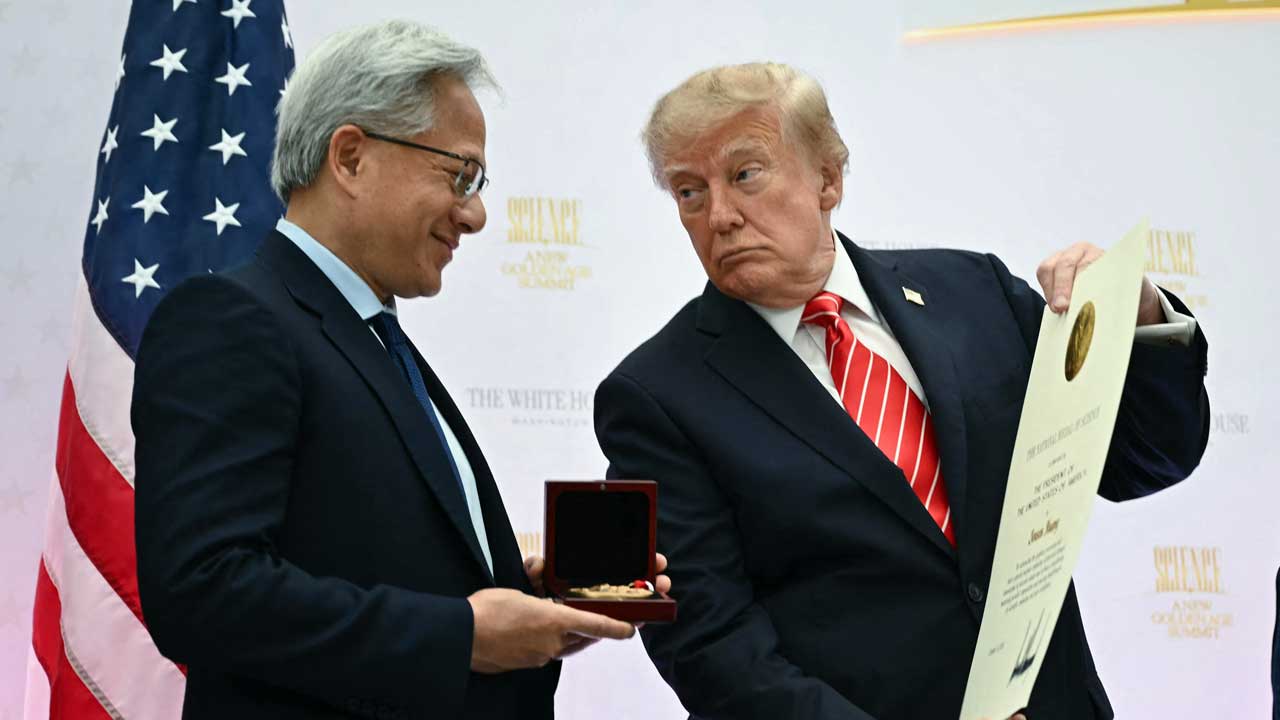 Trump urges Nvidia to rehire Jensen Huang as board presses on with CEO search
 String of tech outages hits email, flights, banks and federal networks
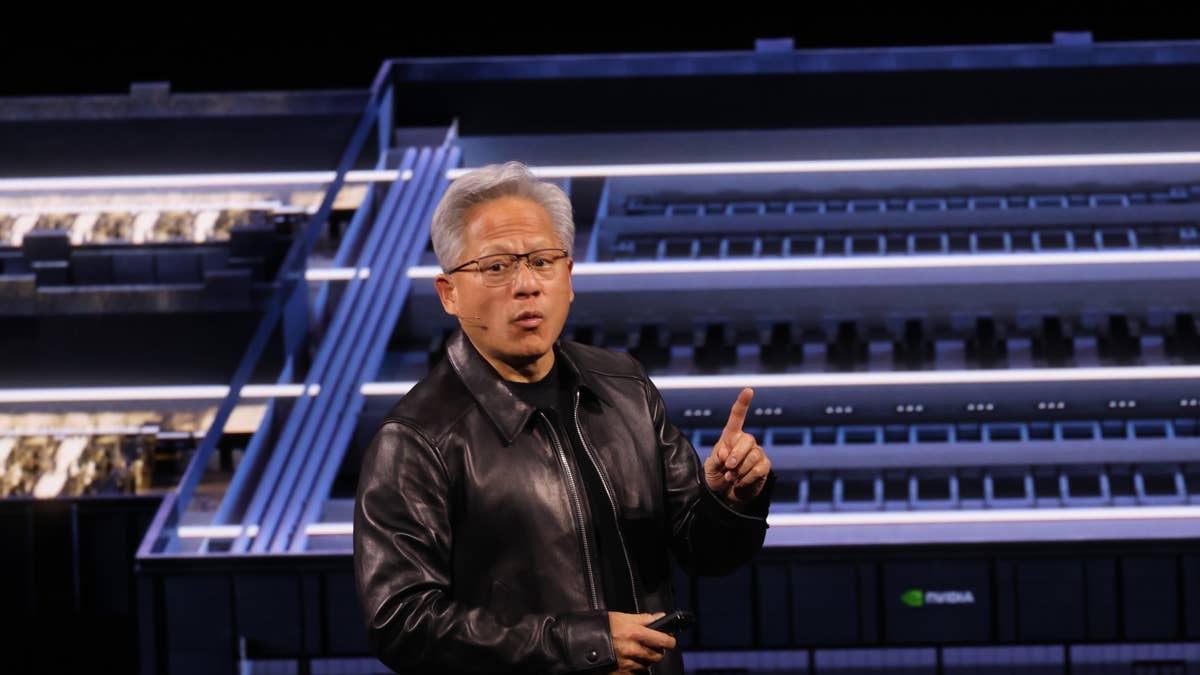 Jensen Huang resigns as Nvidia CEO as California probes the company's China ties
 Anthropic files for IPO at $1.5 trillion valuation as AI stocks slide
 Trump says he would work with Democrats to cap credit card interest rates