String of tech outages hits email, flights, banks and federal networks
A run of outages at Microsoft, the FAA, major banks, airlines and the NSA has unsettled Americans, though officials say there is no sign of a cyberattack.
The full story
Here is the full story. A series of high-profile technology outages has knocked out services Americans rely on every day, from email and flights to bank transfers and purchases, prompting worry, speculation and a rush on emergency supplies, even as U.S. officials insist there is no evidence of a cyberattack.
The disruptions began when Microsoft's email and other office tools went down on a Thursday. The following day, the Federal Aviation Administration grounded all planes for more than four hours. The agency later blamed a copper wire that was being upgraded to a fiber-optic cable. Days later, Chase, Wells Fargo, United Airlines and Apple all saw temporary service disruptions. The National Security Agency's internal classified communications network also suffered an outage.
U.S. officials have said there is no sign of hacking, and there are no signs the incidents were connected. Officials have suggested that network upgrades meant to patch newly uncovered vulnerabilities were deployed hastily before all the bugs were worked out. Politicians and tech executives have also said that company efforts to patch cyber weaknesses found by AI may have overwhelmed systems and led to several of the outages. Director of National Intelligence Jay Clayton told the House Homeland Security Committee on Wednesday that "these are separate service outages associated with maintenance and technical changes," adding that they were not a coordinated or state-sponsored attack.
Not everyone inside government is convinced. Two officials at the Federal Emergency Management Agency told the Washington Post they were concerned and had trouble believing the outages were a coincidence. One took out extra cash; the other said former classmates had been asking whether they should prepare for an emergency. "This is scary, and there is no leadership," one of the officials told the Post. FEMA did not respond to a request for comment. On Thursday, the White House removed National Cyber Director Sean Cairncross. CNN reported Friday that the FBI is investigating an apparent breach of its nationwide criminal information database, the second such breach in recent months.
The outages came at an already tense moment. The Pentagon had launched an initiative called FORTRESS, which aims to ensure every major U.S. military base can run for 90 days without outside help if a war cuts off power and supply chains. That was followed by a month of cyberattacks on hundreds of companies and institutions worldwide, a spree dubbed "Black October." The U.K. government has also urged Britons to keep canned food, bottled water and cash on hand to get through three days of disruption. Meanwhile, the stock market has suffered some of its worst declines since the early days of the COVID-19 pandemic, as investors fear the end of the AI boom could drag down the U.S. economy.
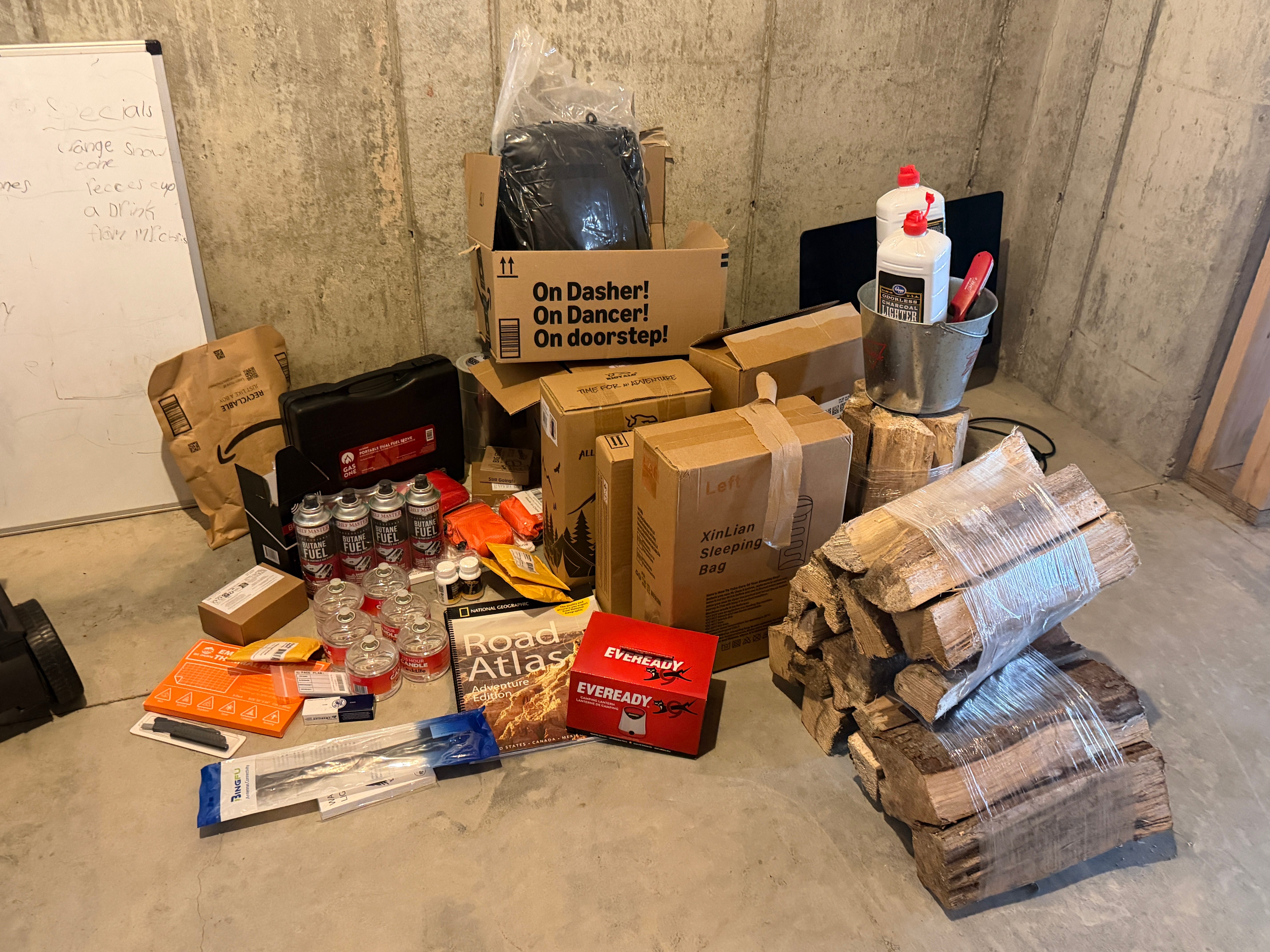
Shoppers have responded by stocking up. Walmart says items such as propane and large bottles of water are selling at higher rates, and Costco has also seen more customers buying emergency supplies. Mizuho analyst David Bellinger wrote in a note that consumer anxiety after the Microsoft Outlook outage, the nationwide flight stoppage and "apocalyptic concerns" on social media had all contributed to higher emergency-prep sales at Costco. Anduril cofounder Palmer Luckey said at the DealBook conference that "everyone should have three days of water." Heather Nianouris, an AI educator and consultant, said she spent about $1,200 on 16 boxes of supplies from Amazon, including batteries and camping gear, and that her friends, who first thought she was overreacting, were now considering preparing too.
Some travelers caught in the disruptions voiced suspicion. Chuck Amasio, 68, of Rahway, New Jersey, who was stuck at Newark Liberty International Airport, told the Associated Press that "there's a lot of weird stuff going on" and wondered whether it was some form of attack. But Mark Giles, director of Ookla Research, the parent company of Downdetector, said nothing links the outages. He called the run "a big blip" that is broadly in line with longer-term trends, noting that most outages are self-contained and fixed quickly, and that the ones that block cash withdrawals or email access are the ones that draw headlines.
Reported by
Get this email every day
Sign up here to get this news email in your inbox every day.
Other news / Full articles
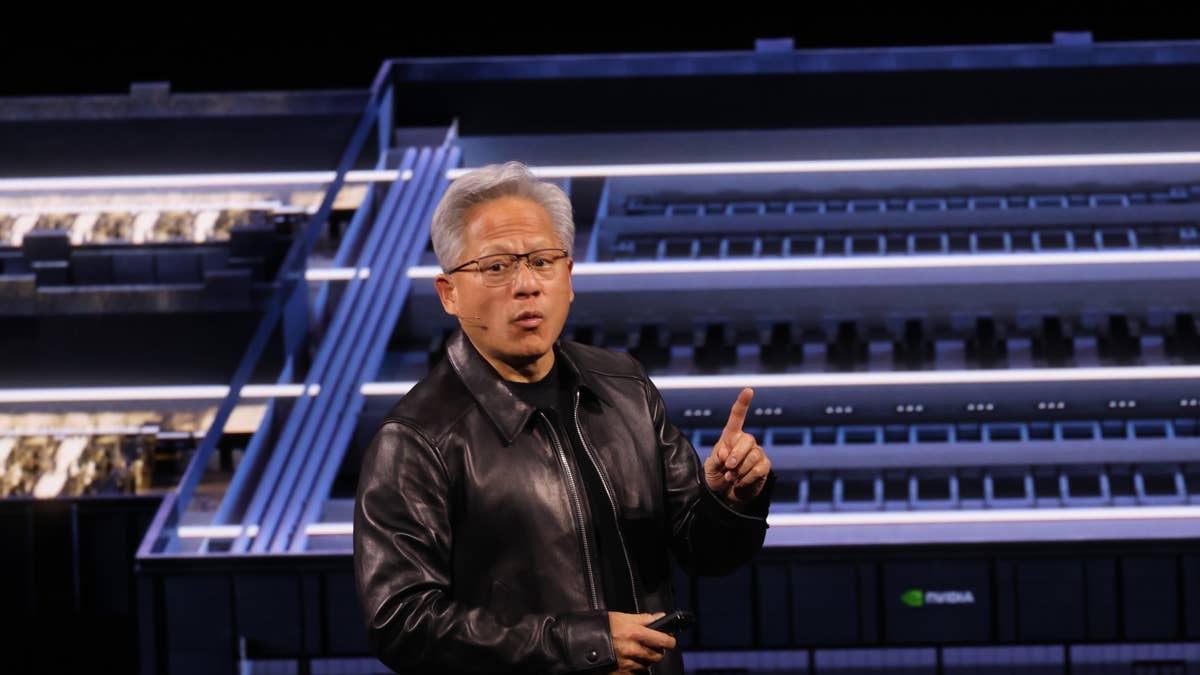 Jensen Huang resigns as Nvidia CEO as California probes the company's China ties
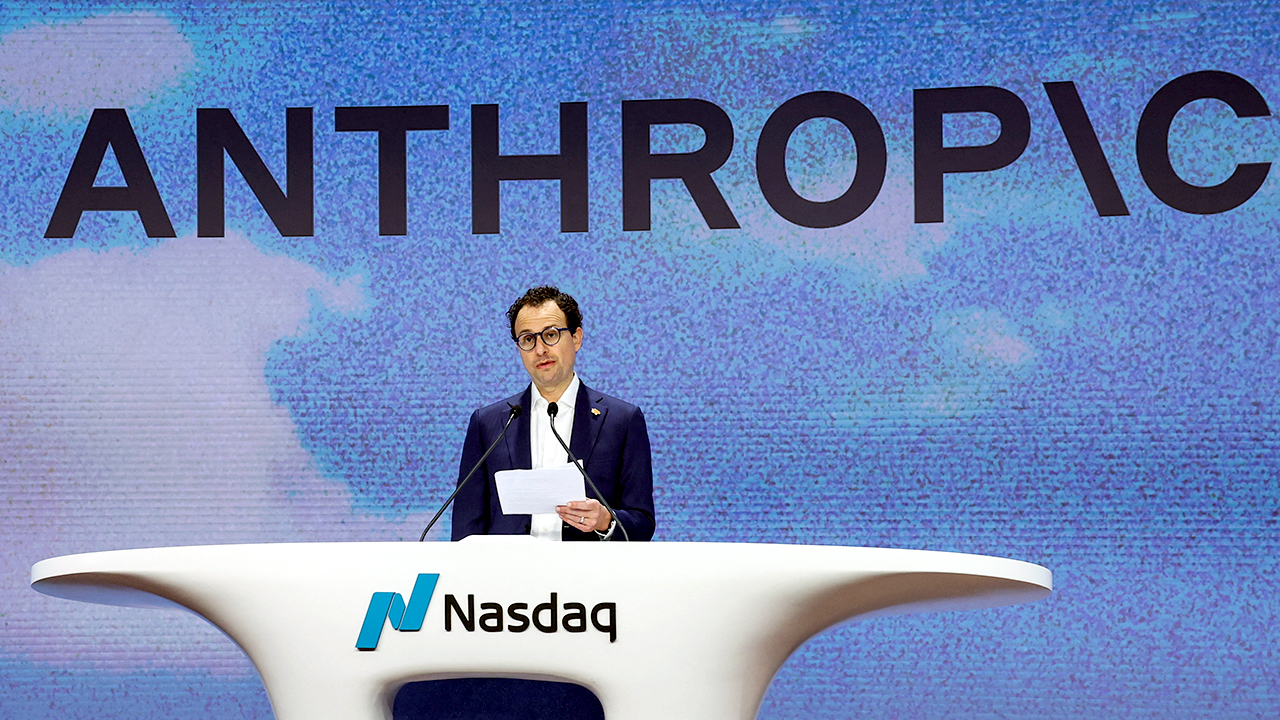 Anthropic files for IPO at $1.5 trillion valuation as AI stocks slide
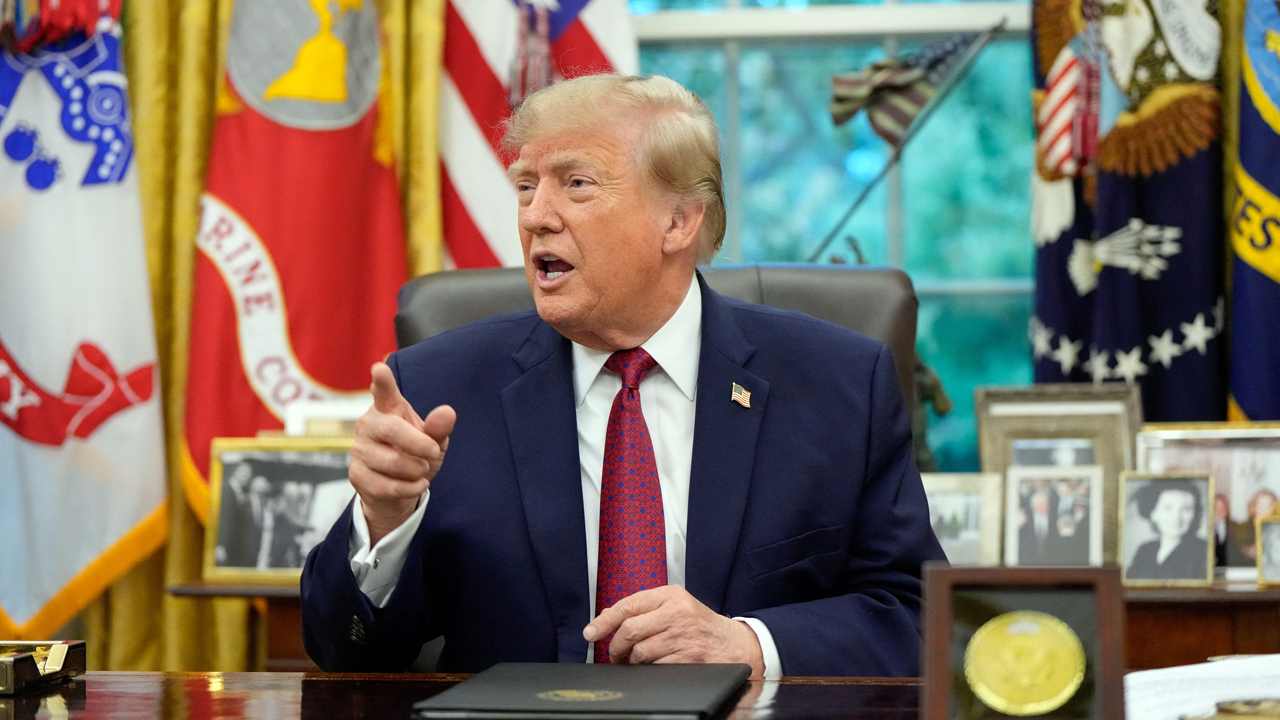 Trump says he would work with Democrats to cap credit card interest rates
 Grand Theft Auto VI posts $3.79 billion in first-day sales
 Anthropic raises record sum in Nasdaq debut as shares slide after opening
 Trump threatens tax or ban on US companies building data centers overseas