Trump threatens tax or ban on US companies building data centers overseas
Trump said Friday that US companies would be blocked from building data centers abroad or face a "tremendous tax," a plan he said his own staff had not heard.
The full story
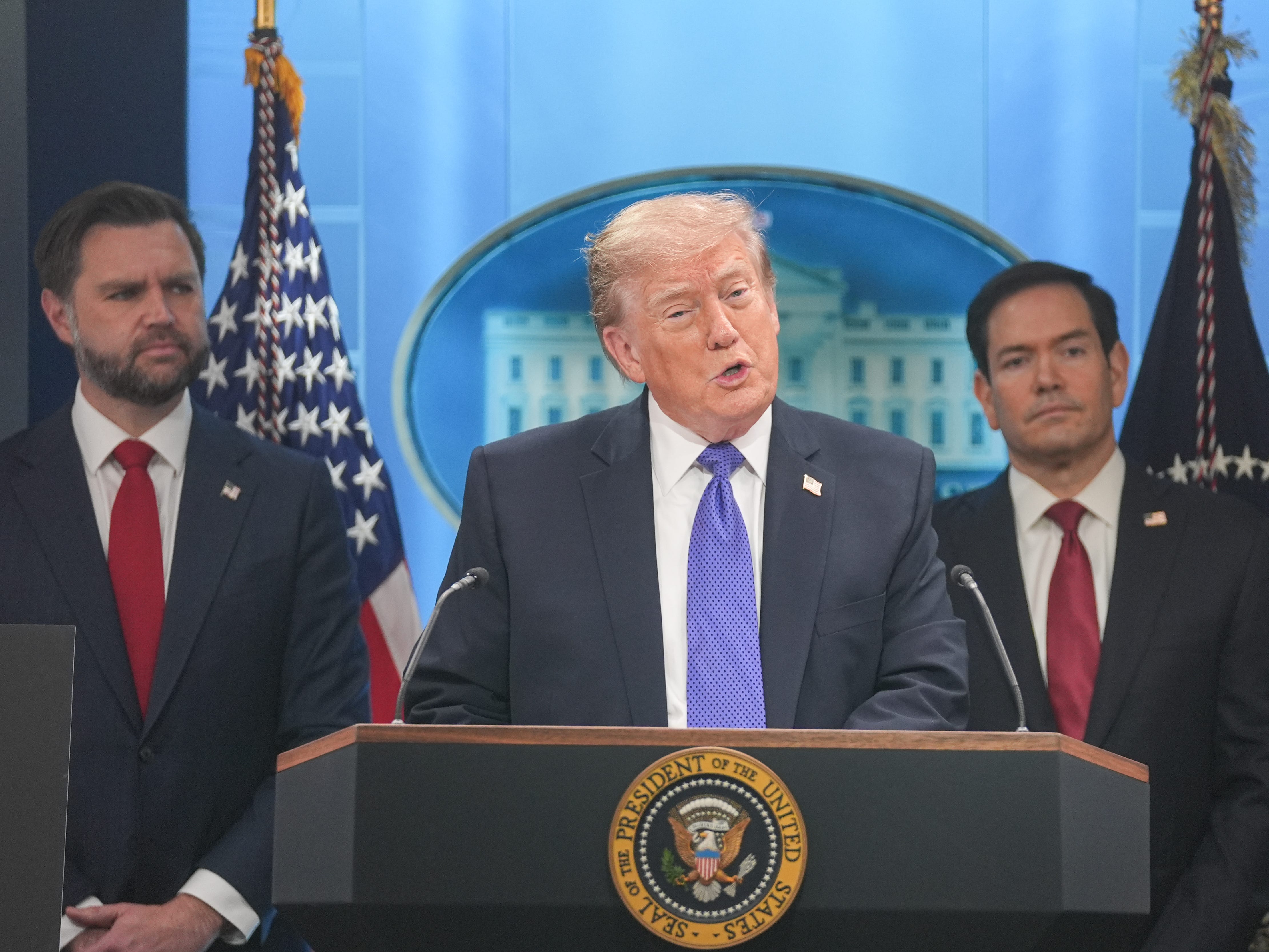
Here is the full story. President Donald Trump said on Friday that US companies will not be allowed to build data centers outside the country, and that those that try will face what he called a "tremendous tax." Speaking at a White House press briefing after returning from a trip to Asia, he said: "We're not going to allow our companies to build data centers outside of our country. We're not going to allow that to happen." He argued that if the facilities go abroad, "China will take all of them," and compared the situation to the loss of chip manufacturing, which he said "was very destructive to our country."
Trump said he had not yet raised the idea with his staff. "I haven't even said that to my people," he said, adding that many of them were in the room and he was telling them now. He did not say whether he would seek approval from Congress, which has the constitutional power to impose federal taxes, or rely on existing executive powers. A White House representative did not immediately respond to a request for comment. Trump offered his own alternative to overseas sites: "If they won't go in Texas or they won't go in California, they're going to go in West Virginia," he said, describing many places in the US that "want them badly."
Several of the largest tech companies already have projects abroad. Amazon, Google, Microsoft and OpenAI have backed data centers outside the United States, and Meta has broken ground on one in the Canadian province of Alberta. Anthropic has signed a long-term agreement to lease a proposed data center in Nova Scotia. In September, Google announced a €13 billion investment in AI infrastructure in Finland that included three data centers; building work on two of them was halted last month over concerns about clearing more than 300 hectares of forest. Trump singled out the Finland project, saying his administration was "not allowing that to happen." Companies often build abroad to serve users in other regions, improve reliability and speed, secure power and land, and comply with laws requiring data to be processed in a particular country.
The remarks follow a heated domestic fight over the facilities. Data centers were a central issue in the November 3 midterm elections, with residents raising concerns about higher electricity bills, pollution, noise and strain on power grids, and voters backing Democratic candidates who promised tougher rules on construction. As of April there were about 3,000 data centers in the US, with another 1,500 in various stages of approval and construction, according to the Pew Research Center. Trump has strongly defended the projects. In August he wrote on social media that communities should stop them only if they "want to end up being backwards and poor," adding "let Data Reign." In March he introduced a ratepayer protection pledge under which signing tech companies commit to supply their own power so that local energy prices do not rise.
On Friday Trump told local officials to bargain rather than block. "You have to take advantage of the data centers," he said. "Make them pay you. Make them pay your community. But take advantage; don't shut them off." He said companies were paying teachers $50,000 to win approval in Louisiana, where Meta is building a data center in Richland Parish, and that residents in another area were getting $10,000 each. "Make the deal. They have plenty of money. Take it," he said. He also said data center growth would lower Americans' costs and taxes.
The comments came at a tense moment for the AI industry. Stock markets fell on Friday, and the S&P 500 has declined about 9% since November 4, as investors weighed the election results and other factors. Earlier in the week, Washington announced that firms would need a licence to buy advanced chips so officials can check whether they are serving Chinese companies or being smuggled into China, a rule expected to affect Southeast Asian countries that have invested heavily in data centers. Trump said he and Xi discussed AI and agreed to work together on guardrails, and that Xi had congratulated the US on its progress in what Trump calls "super intelligence." Whether the overseas restriction will become formal policy remains unclear.
Reported by
- Business Insider: Trump threatens a 'tremendous tax' on tech companies building data centers outside the US
- Axios: Trump floats major tax on U.S. companies constructing data centers overseas
- Breitbart: Trump to Tax Companies That Build Data Centers Overseas
- BBC News: Trump threatens ban on US firms building AI data centres overseas
- NBC News: Trump threatens ‘tremendous’ penalties on companies that build data centers overseas
Get this email every day
Want the day's top story in your inbox every morning? Sign up below to get this email daily.
Other news / Full articles
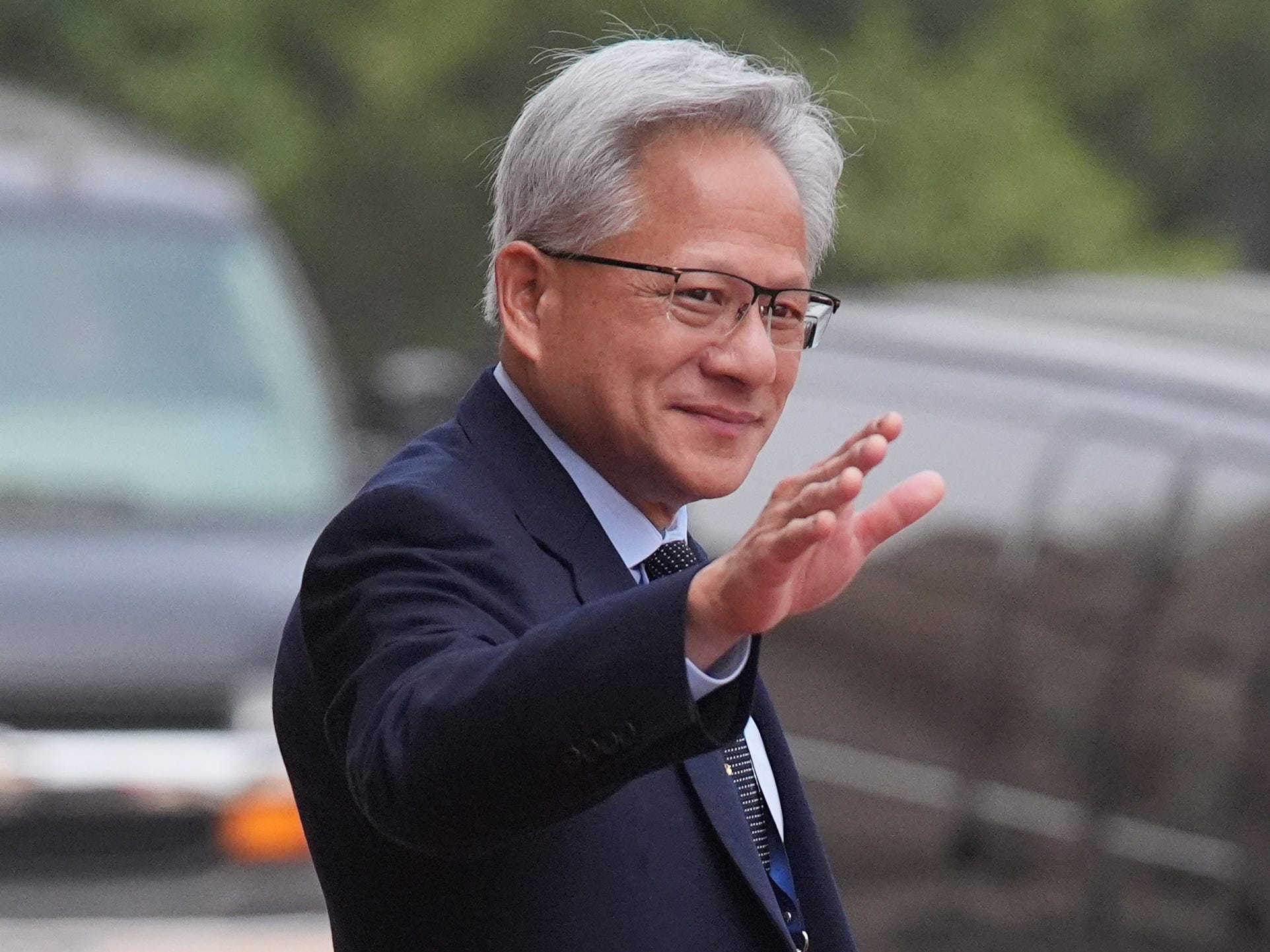 Jensen Huang signals he would return to Nvidia as board rules out reinstatement
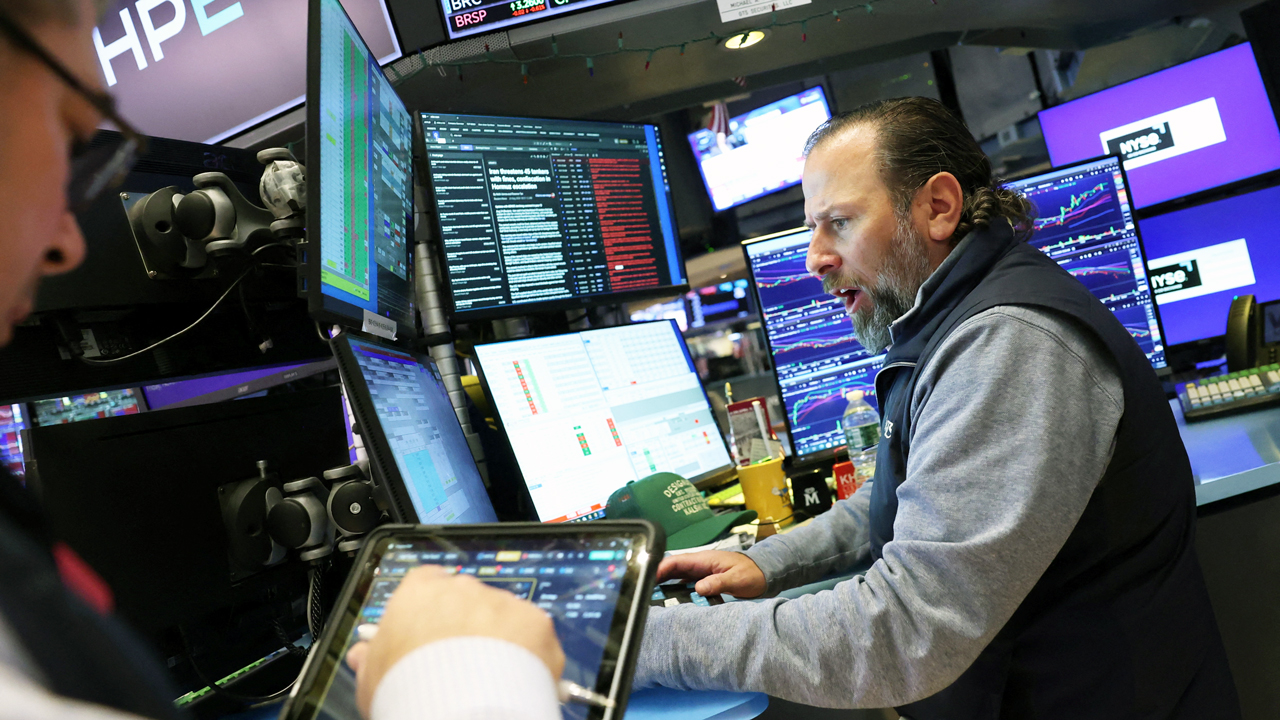 AI-led selloff pushes S&P 500 and Dow into correction, Nasdaq erases 2026 gains
 GTA 6 launches with record estimated sales as Take-Two shares stay down for the year
 Shoppers stock up on generators and emergency food after string of tech outages
 Dow drops 1,100 points as AI stock worries spread despite Anthropic's strong debut
 Walmart raises full-year sales and profit outlook after strong third quarter