Jensen Huang signals he would return to Nvidia as board rules out reinstatement
Nvidia's board has hired a search firm to replace Jensen Huang, who resigned on Nov. 11, even as he says he would be honored to return.
The full story
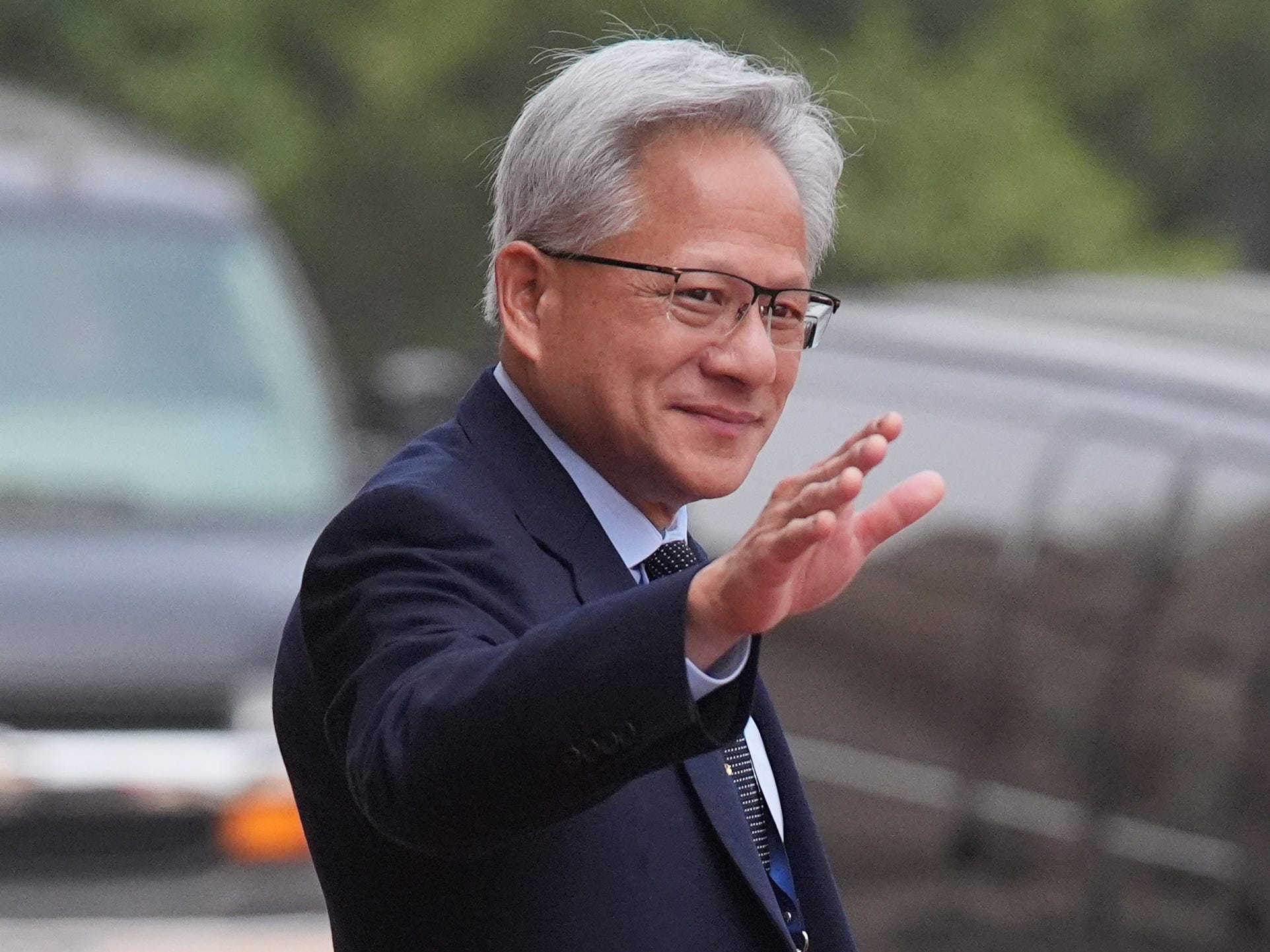
Here is the full story. Jensen Huang, the founder who spent 33 years turning Nvidia into the company at the center of the artificial intelligence industry, is out as chief executive, and a fight over whether he should come back is growing. Nvidia's board accepted his resignation on Nov. 11, 2026, after allegations about his personal conduct and foreign intelligence concerns prompted an independent investigation, according to the company's filing with regulators. Chief Financial Officer Colette Kress became interim CEO, and Harvey C. Jones took over as board chair.
Within days of leaving, Huang said he would be "honored" to return if the board decided it was in the company's best interest. His post saying so drew more than a million likes. But on Tuesday's earnings call, the first since his departure, the board essentially ruled out reinstating him. It said it has hired a search firm to find a successor and will consider candidates from inside and outside the company. Semafor has reported that three Nvidia directors have nonetheless pushed for Huang's return.
The events moved quickly. On Nov. 11, The New York Times reported on what was described as Huang's second affair, and later that day The Wall Street Journal reported he was set to resign. According to the New York Post, Huang stepped down after revelations about his closeness to Alice Huang, whom the paper described as a suspected Chinese intelligence operative to whom he had been selling chips, along with allegations that he had relationships with two subordinates. The Post also reported that her company, Megaspeed, is accused of diverting billions of dollars' worth of chips to China in violation of US export controls, and that it remains unknown what Huang knew. Treasury Secretary Scott Bessent has questioned whether Nvidia executives were "pressing seemingly illicit sales," the Post reported, while Justice Department chief Todd Blanche has said Alice Huang may not be a spy. The paper also reported that a classified memo drafted under Secretary of State Marco Rubio, warning of the relationship, was leaked to The New York Times.
The market reaction has been steep. Nvidia has lost more than $1 trillion in market value since Huang resigned, and its shares were about 30% below their recent high, a decline Axios put at roughly $1.59 trillion in shareholder wealth. Other AI companies, including CoreWeave and Nebius, have fallen even further. The scandal has also drawn more than 90 bets on the prediction markets Polymarket and Kalshi, with some traders earning tens of thousands of dollars by betting just before or just after the news broke.
Support for Huang has come from prominent figures in technology. Elon Musk, Uber co-founder Travis Kalanick, Y Combinator chief Garry Tan and Shopify CEO Tobias Lütke are among those who have signed a letter, which the New York Post described as asking for due process and a fair hearing. Critics argue the allegations are disqualifying.
Only the board can appoint a CEO, so the simplest path back would be to change its mind. Huang owns roughly 3.6% of Nvidia, which has no supervoting shares, and shareholder-activism specialists say his stake gives him some options. He could lobby investors directly, urge votes against board nominees at the next annual meeting, likely in 2027, or use the company's proxy-access rules to nominate up to two directors, with nominations probably due between Feb. 24 and March 26. A full proxy fight would require soliciting holders of at least 67% of voting power. Calling a special meeting would require 15% of voting power held for at least a year, meaning allies with another 11.42%, and removing directors would require two-thirds of outstanding shares. Michael R. Levin of The Activist Investor called the odds of a comeback "pretty remote." University of Colorado law professor Ann Lipton said Huang's Dec. 1 testimony before Congress might make it hard to challenge the board at the same time.
Whoever takes the job will follow a founder, a role with a high failure rate. A Spencer Stuart analysis found that 21% of CEOs who replaced founders between 2015 and 2022 were gone within two years, compared with 16% of all S&P 1500 CEOs appointed in that period. Many longtime Nvidia employees remain loyal to Huang, and three of his relatives still work at the company: his children, Spencer and Madison, and his son-in-law, Nico Caprez, a vice president.
Reported by
- Business Insider: Jensen Huang has 5 ways to push for an Nvidia comeback
- Fortune: The Jensen Huang problem: Why CEOs who replace founders are more likely to flame out
- Semafor: Trading soars on Jensen Huang-related prediction market bets
- TheStreet: Jensen Huang's exit is part of a troubling CEO scandal history
- New York Post: Should Jensen Huang return as Nvidia CEO? Many of Silicon Valley’s smartest minds are backing him
Get this email every day
Want the day's top story in your inbox each morning? Sign up below to get this email every day.
Other news / Full articles
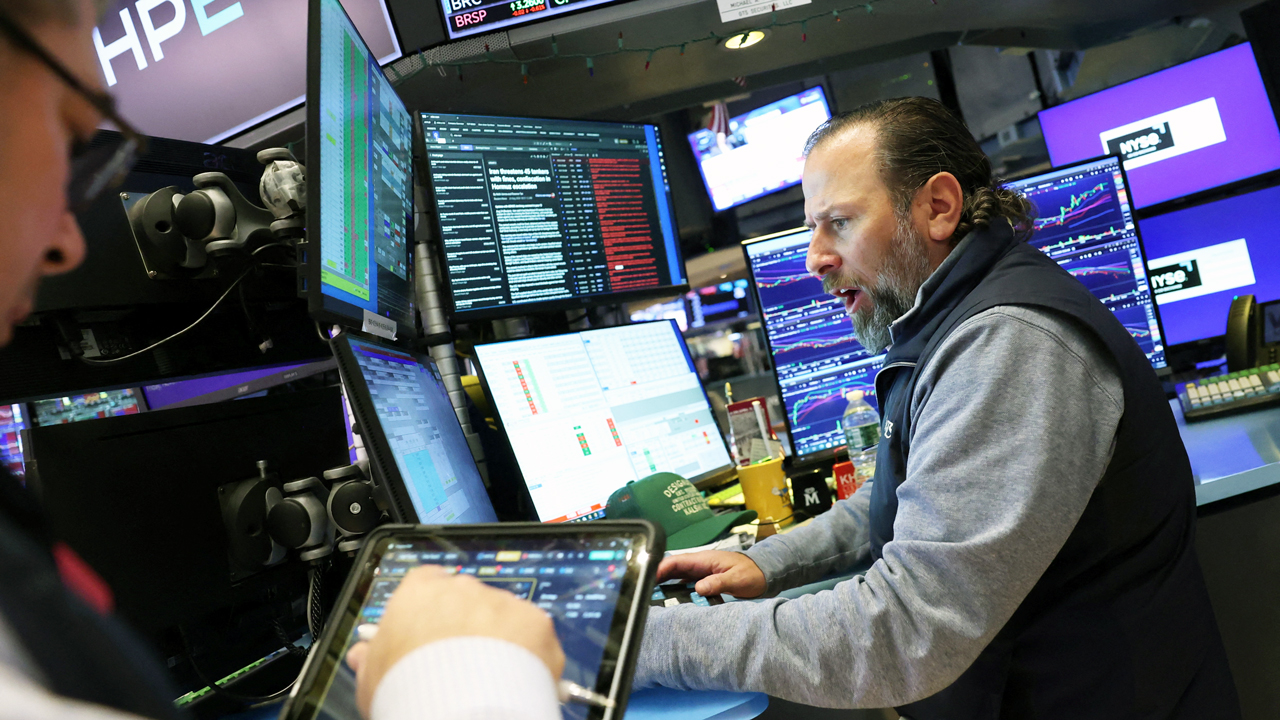 AI-led selloff pushes S&P 500 and Dow into correction, Nasdaq erases 2026 gains
 GTA 6 launches with record estimated sales as Take-Two shares stay down for the year
 Shoppers stock up on generators and emergency food after string of tech outages
 Dow drops 1,100 points as AI stock worries spread despite Anthropic's strong debut
 Walmart raises full-year sales and profit outlook after strong third quarter
 Anthropic makes record-breaking stock market debut on Nasdaq