Jensen Huang resigns as Nvidia CEO as California probes the company's China ties
Huang stepped down after reports of affairs, including one with an executive US intelligence says spies for Beijing, and California has subpoenaed Nvidia over possible China risks.
The full story
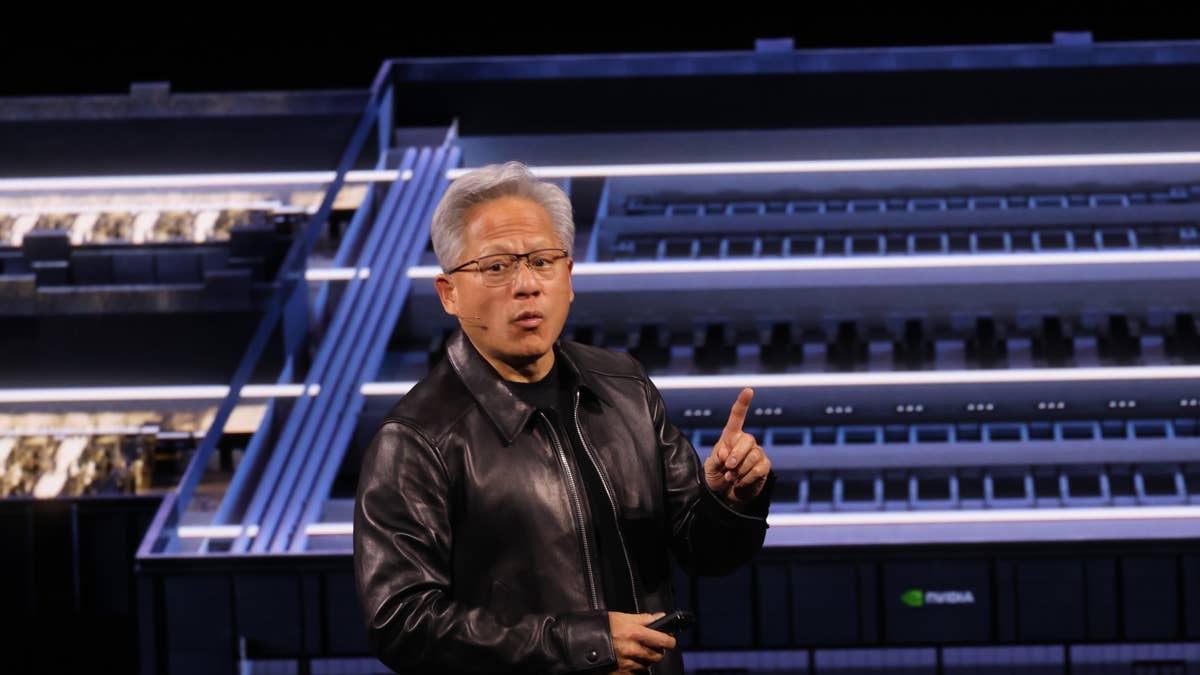
Here is the full story. Jensen Huang has resigned as chief executive of Nvidia, the world's leading maker of artificial intelligence chips, after more than three decades at its helm. The resignation followed accusations that Huang had at least two affairs, one with a Chinese executive whom US intelligence says is spying for Beijing and another with a direct report at Nvidia. In a note to staff, Huang wrote that he had been "unfaithful" to his wife, Lori Huang.
The executive at the center of the China concerns is Alice Huang, no relation, the former CEO of a company called Megaspeed. According to a New York Post column, her company was linked to a China-based technology firm and sought to buy some of Nvidia's most advanced chips, allegedly including ones restricted for US security reasons, and US intelligence suspects it helped China get around export controls. Those allegations have not been proven. President Donald Trump said he asked Huang whether he knew she was a spy for China, and that Huang told him he did not.
Nvidia's board named Colette Kress, previously the chief financial officer, as temporary CEO while it searches for a long-term successor. The board also set up a National Security and Export Control Oversight Committee to strengthen oversight of regulatory issues and sensitive technology, according to a company announcement on Nov. 17.
On Nov. 19, California Attorney General Rob Bonta announced that his office had subpoenaed Nvidia over concerns about the former CEO's alleged relationship. State investigators are examining whether the company or Huang allowed sensitive data or advanced technology to reach China, and whether shareholders were misinformed about those risks. Bonta said the inquiry would help determine whether the company's conduct broke California law. The subpoena itself does not establish misconduct, and there is no evidence so far that Nvidia broke the law or that its technology was stolen. The New York Post column also refers to class action lawsuits and other probes. Treasury Secretary Scott Bessent has explained why Huang may have endangered national security, the column says.
Huang has signaled he wants his job back. In a long post on X five days after resigning, he said he had seen an "outpouring of calls from NVIDIA's employees, investors, business partners, and customers for me to return as CEO." He has said he is open to returning if a petition seeking his reinstatement succeeds. The board has said it has no plans to bring him back.
Several prominent figures have voiced support. Trump said he called Huang at least twice, and The New York Times reported that in one call the president urged him to fight to keep his job. Trump has also said he is sad to see Huang go and wants him to return. Former Uber CEO Travis Kalanick said he wrote to Huang backing an employee walkout and promised to show up at Nvidia headquarters with a megaphone. "Let's fight for what's right," Kalanick said. OpenAI CEO Sam Altman said it is "hard to imagine the AI industry without Jensen." Microsoft CEO Satya Nadella said he texted Huang, called the situation "pretty tragic," and said the decision on what happens next is up to Nvidia's board. Venture capitalist Gavin Baker said he has told Huang to exercise, watch the sunrise and get eight hours of sleep.
The leadership crisis comes as Nvidia's business keeps growing fast. The company reported $115.8 billion in sales for the third quarter of its 2027 fiscal year, up 103% from a year earlier, with $107.6 billion coming from its data center unit and net income of $65.3 billion. It forecast about $130 billion in fourth-quarter revenue, plus or minus 3%, a projection that includes no data center computing revenue from China. US export rules already weigh on the company: Nvidia recorded a $400 million charge tied to H200 chips in the first half of the fiscal year because of weaker demand, leaving excess inventory and purchase commitments.
What comes next includes the outcome of the California inquiry, the board's search for a permanent CEO and Nvidia's next earnings report.
Reported by
Get this email every day
Sign up below to get this news email in your inbox every day.
Other news / Full articles
 Anthropic files for IPO at $1.5 trillion valuation as AI stocks slide
 Trump says he would work with Democrats to cap credit card interest rates
 Grand Theft Auto VI posts $3.79 billion in first-day sales
 Anthropic raises record sum in Nasdaq debut as shares slide after opening
 Trump threatens tax or ban on US companies building data centers overseas
 Jensen Huang signals he would return to Nvidia as board rules out reinstatement