Short sellers profit from Nvidia stock decline
Nvidia shares have dropped 27.9% from their peak, and Jensen Huang has been ousted as CEO, months after Culper Research bet against the company over China.
The full story
Here is the full story.
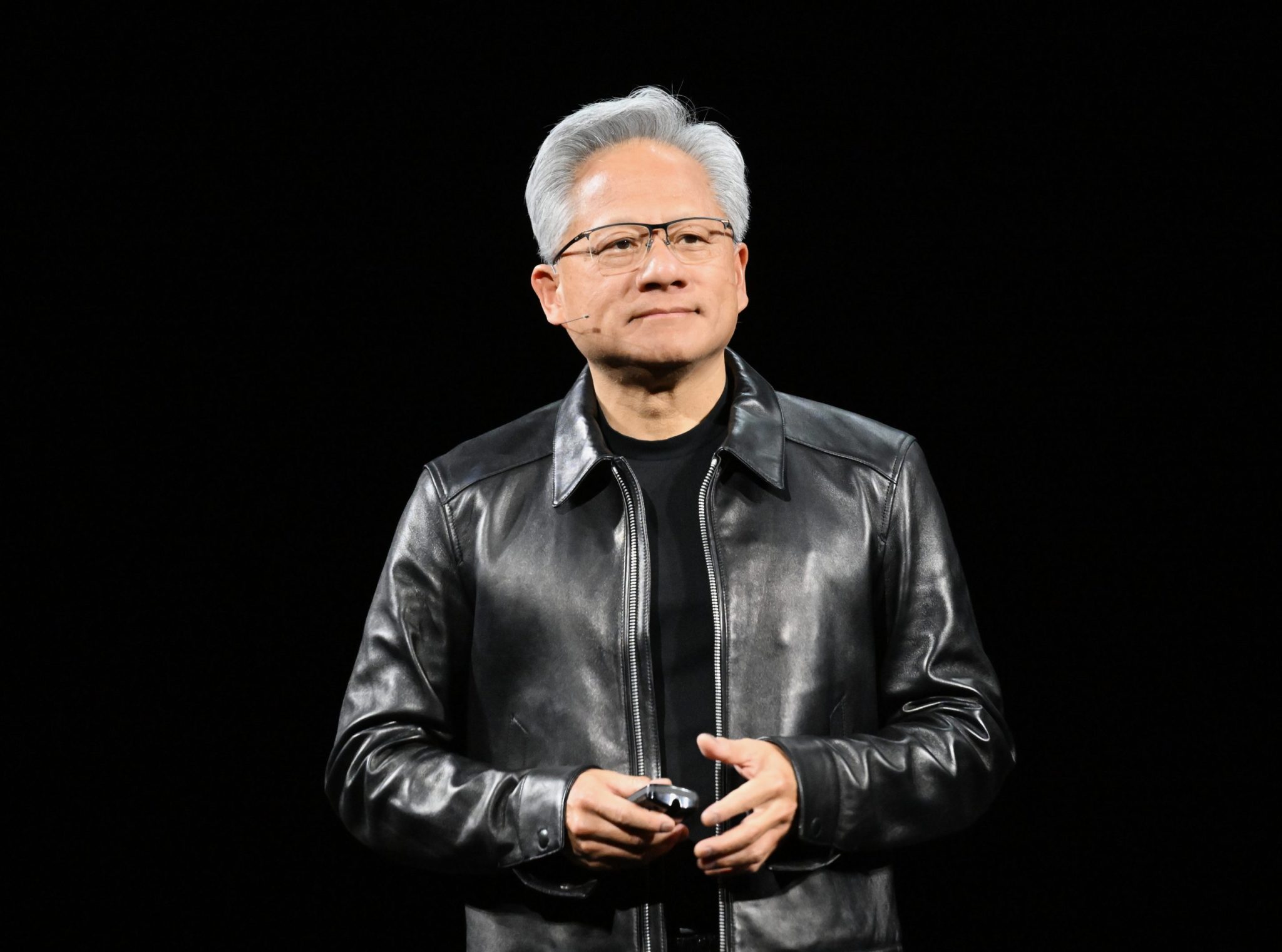
Nvidia's stock has fallen 27.9% since it peaked at $235.74 a share six months ago. Jensen Huang, who built the company, has been ousted as chief executive following a romantic affair with Alice Huang, a Chinese national and executive at the Singapore-based firm Megaspeed International. Federal authorities believe she could be a Chinese spy. The decline has been a win for investors who bet against the stock, and it has drawn attention to one research firm that raised alarms about the company's China exposure in May.
That firm, Culper Research, is headed by Christian Lamarco. Its 40-page report, titled "NVIDIA: The China Problem," said the firm was short the stock for a single reason. "This is not a bet against AI. We are short Nvidia for one reason: the Company has a significant China problem," the report said. At the time, the market largely pushed past such concerns, and Nvidia went on to reach a valuation of $5 trillion, at one point making it the world's most valuable company.
The report's central allegation was that more than 20% of Nvidia's fiscal 2026 compute revenue came from Chinese demand, even though the company said its China business had fallen to zero after U.S. export restrictions took effect in April 2025. Culper alleged that the revenue flowed through the smuggling of restricted chips to Chinese buyers and through Southeast Asian intermediaries that bought Nvidia hardware and sold computing capacity to Chinese companies. It focused on Megaspeed, which it said was secretly financed by China's Alibaba through a network of shell companies. Culper also said Beijing had since blocked Nvidia imports in favor of domestic chipmakers, and that its review of trade records pointed to sharp drops in shipments in the first quarter of 2026. Mainland operators, the report said, described "very few orders" in China.
Nvidia had earlier defended its relationship with Megaspeed after the New York Times reported in October 2025 that the firm was under investigation over suspicions it had helped Chinese customers obtain advanced Nvidia chips. "We've chased down every single concern. And we've repeatedly tested and sampled data centers around the world and found no diversion," Jensen Huang told Bloomberg in November 2025.
The Culper report also questioned Alice Huang's influence over Nvidia. It said Jensen Huang had "walked alongside Megaspeed at every step" while keeping what it called an "uncomfortably close relationship" with her. According to the report, he was seen partying with her in June 2024 and dined with her in Taiwan in May 2025, weeks after the trade restrictions were announced. Citing a Megaspeed employee, Culper said he visited Megaspeed-linked data centers "every few months," accompanied by Alibaba representatives. The report did not establish a romantic relationship, but that relationship later proved to be the first step toward his removal.
According to the New York Post, Nvidia initially suggested that the relationship was purely business before admitting that it was not, and reports of a second and a third affair between Huang and women at Nvidia have since emerged. The Post said the shares have been falling almost daily as new disclosures pile up. Culper did not immediately respond to Fortune's request for comment on the return from its short position. One prominent short seller, speaking to the Post without being named, said short sellers had suffered badly in recent years. "With the Huang mess, it really looks like the AI cycle is over," the trader said, calling it "bad news for the market and the economy, but good news for short sellers and people who listen to them."
Short sellers make money by borrowing shares, selling them, and buying them back later at a lower price. They often publish negative research to support their positions, a practice that has made them unpopular with many investors and with companies that complain to lawmakers about them.
Reported by
Get this email every day
Sign up below to get the day's top story in your inbox every morning.
Other news / Full articles
 Contractor's network upgrade blamed for nationwide FAA outage that grounded U.S. flights
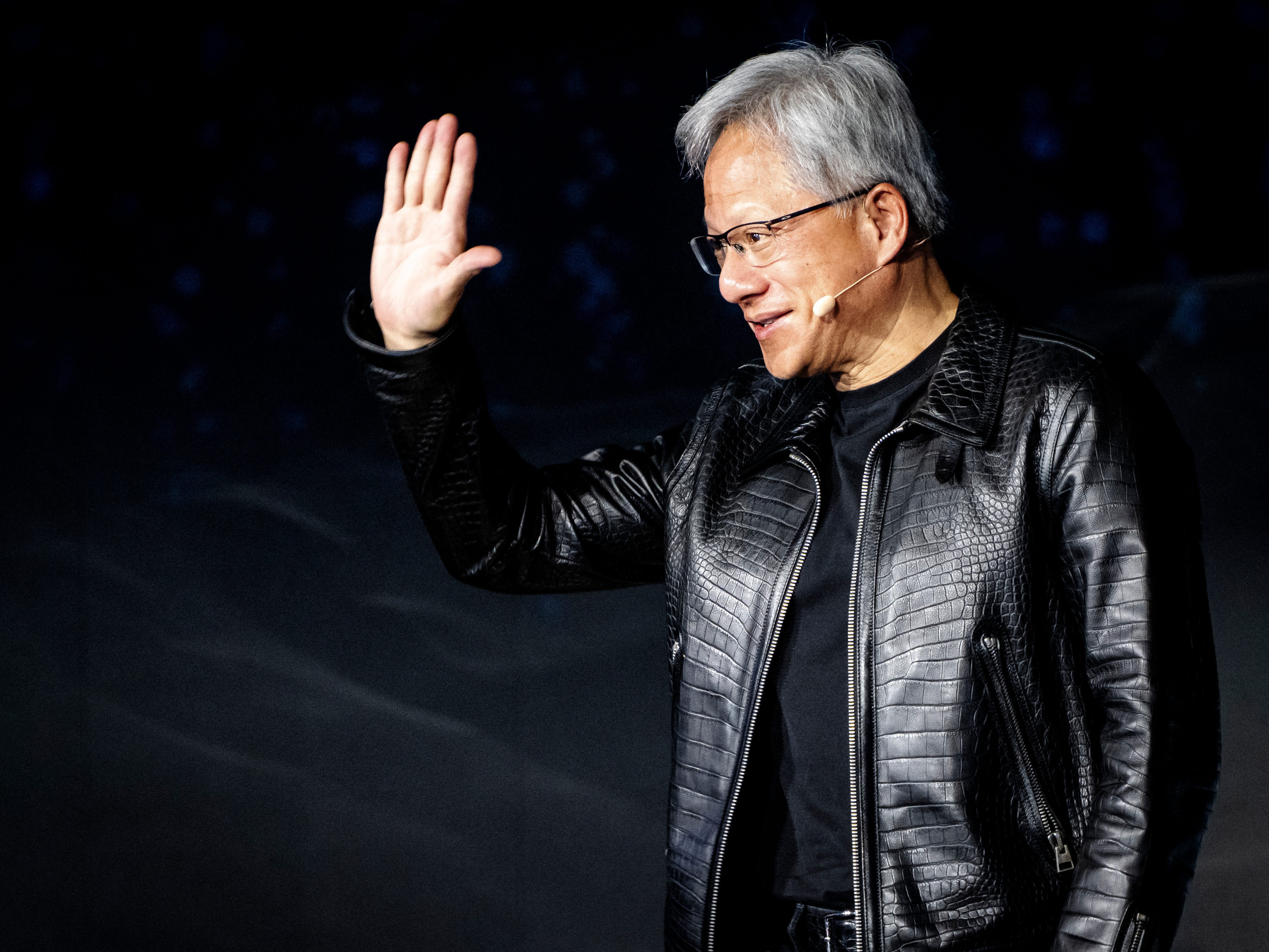 Jensen Huang resigns as Nvidia CEO amid affair revelations and foreign intelligence inquiry
 Microsoft outage disrupts email and Teams worldwide before services recover
 FAA halts all U.S. flights for hours after air traffic communications failure
 Wholesale inflation hits 6.5% in October, the fastest annual pace since 2022
 Jensen Huang resigns as Nvidia CEO after admitting affair amid spy allegations