Nvidia leads tech stock slide as investors weigh Jensen Huang's exit
Nvidia shares fell 4.1% Monday, dragging the S&P 500 and Nasdaq lower, a day before the chipmaker reports earnings under interim CEO Colette Kress.
The full story
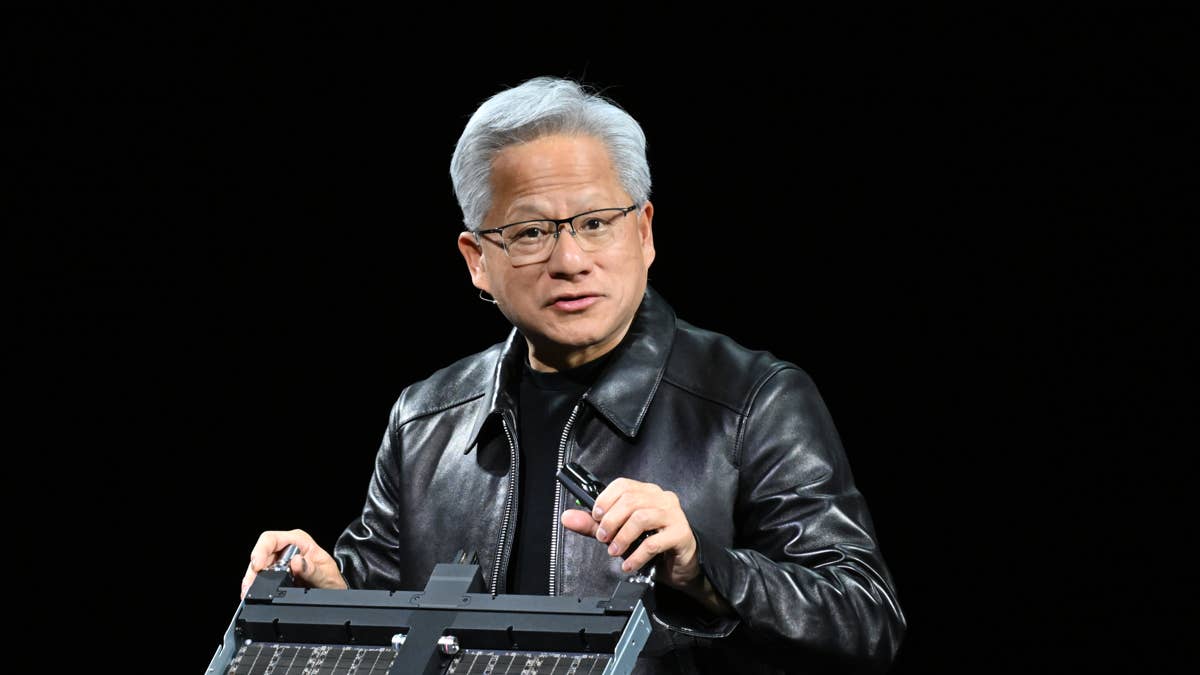
Here is the full story. Nvidia shares fell 4.1% on Monday and were again the heaviest drag on Wall Street, pulling technology stocks and the broader market lower as investors weighed the company's future after the resignation of chief executive Jensen Huang. The S&P 500 lost 145.08 points, or 1.9%, to close at 7,416.59, its third straight loss. The Nasdaq composite fell 626.52 points, or 2.5%, to 24,509.76, and the Dow Jones industrial average dropped 739.38 points, or 1.4%, to 51,608.17 as losses spread to other sectors.
Huang, who co-founded Nvidia in 1993, stepped down on Nov. 12 after admitting to an extramarital affair with a woman U.S. intelligence agencies identified as a Chinese spy. The company's formal statement did not make the reason for his resignation clear. Its board named Chief Financial Officer Colette Kress, who has managed Nvidia's finances for more than a decade, as interim CEO while it searches for a permanent successor. Nvidia shares plunged the day after the announcement and are now down more than 30% from their Oct. 6 record high.
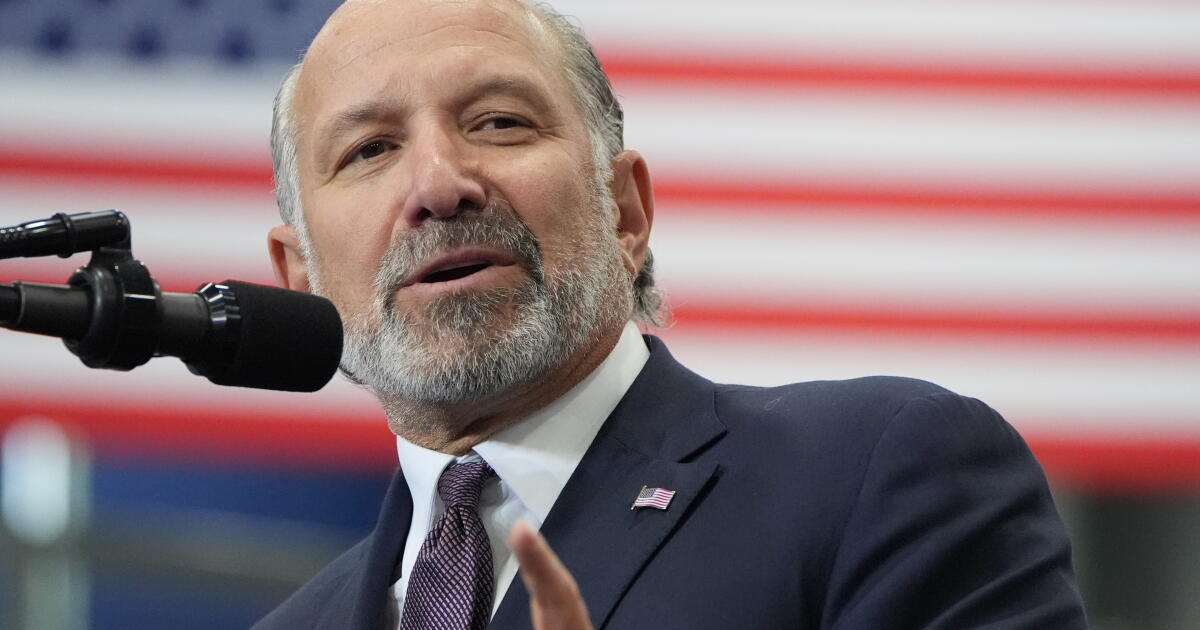
The selling spread across the AI industry. Other chipmakers had risen in the early days of Nvidia's fall on hopes of gaining ground on their rival, but they turned lower on worries about the sector as a whole. Broadcom fell 3.9% for a second straight loss, Advanced Micro Devices dropped 5.6%, cloud provider CoreWeave, which rents out access to Nvidia chips, sank 6.1%, and GE Vernova, which helps power AI data centers, lost 4.9%. The industry was already facing criticism that its stock prices had climbed into a bubble, and Democratic gains in this month's midterm elections raised concerns about possible limits on new AI data centers. "The market was already worried about this risk before what happened at Nvidia," said Zhiwei Zhang, president and chief economist at Pinpoint Asset Management. "Now the risk has become even more serious." Also on Monday, the Trump administration issued new rules restricting remote access to advanced U.S. computing chips and servers.
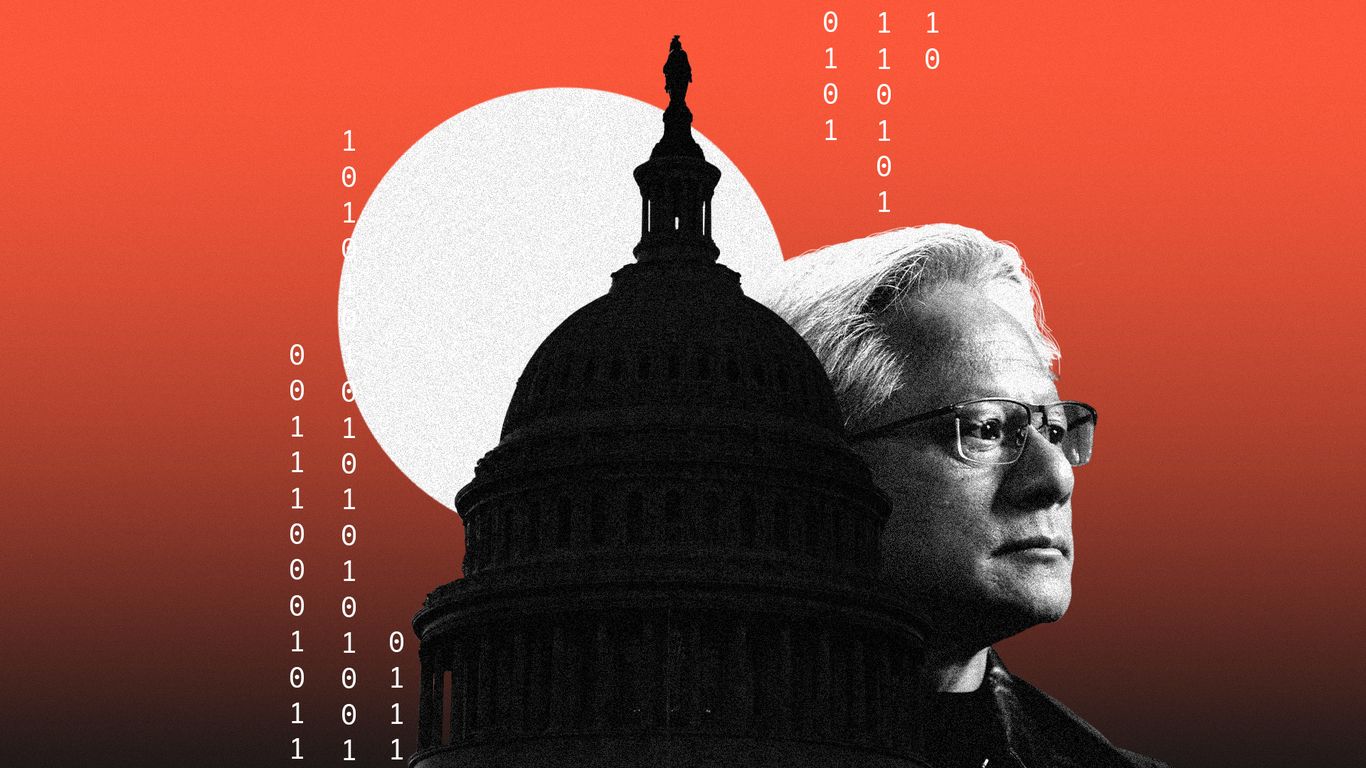
Analysts have cut their forecasts. Truist lowered its price target on Nvidia from $346 a share to $174, and Yorkville Ives and Co., led by tech analyst Dan Ives, cut its target from $300 to $225, citing the leadership gap and questions about the company's direction. Financial services firm StoneX studied 12 major companies, including Boeing, CNN and McDonald's, whose chief executives left over personal conduct, and found that seven trailed the S&P 500 in the following year. Shares of HP fell nearly 29% in the 12 months after Mark Hurd resigned in 2010, while the index rose 9%. The five companies that outperformed had successors ready, StoneX analyst Cody Acree said. "They had heirs apparent," he said. Acree also pointed to Huang's more than 60 direct reports and questioned whether a new leader would keep that structure. He noted that Nvidia still has a two-year chip roadmap that Huang created and said demand for its chips is expected to exceed supply for the next couple of years. A petition calling for Huang's reinstatement has gathered more than 170,000 signatures.
The fallout has reached Washington. According to the New York Post, Treasury Secretary Scott Bessent called Huang a "wonderful innovator" in a weekend interview but urged a "dramatic shakeup" in management and an outside CEO, saying the focus should be on whether the company violated U.S. export controls on chips bound for China. The Post also reported that President Trump suggested on Monday that he would like Huang to stay, and that short sellers had raised questions about Megaspeed, the woman's employer, which they said bought Nvidia chips despite export restrictions, and about how Nvidia accounted for some chip deals.
The decline also touches ordinary savers. Nvidia is a large part of the S&P 500, which many retirement funds track. In an illustration by TheStreet, an investor with $100,000 in an S&P 500 fund where Nvidia makes up 6% would lose about $1,800 from a 30% drop in the stock, all else equal. Nvidia reports fiscal third-quarter results Tuesday after trading closes, with Kress set to speak to Wall Street. Investors are used to the company beating expectations and issuing revenue forecasts well above them.
Reported by
- TheStreet: Nvidia's crisis exposes a hidden risk in Americans' 401(k)s
- New York Post: How Jensen Huang’s downfall slammed Nvidia’s stock — and why the next chapter could be even worse
- Los Angeles Times: Stocks tumble on Wall St. as Nvidia leads another sell-off in tech firms
- CBS News: How will Nvidia stock fare after Huang's exit? Data provides clues.
Get this email every day
Want news like this in your inbox every morning? Enter your email below to get our daily edition.
Other news / Full articles
 Commerce Department rule restricts remote access to advanced U.S. AI chips
 California sues OpenAI over AI safety failures tied to Hugging Face attack
 Push to reinstate Jensen Huang grows as Nvidia board resists
 Chase software bug disrupts banking for customers at several major U.S. banks
 Megaspeed says Alice Huang left in 2025 as it opens internal investigation
 FAA nationwide ground stop halts U.S. flights, leaving thousands of cancellations