Trump administration proposes new tariffs on 14 trading partners, including China and the EU
The U.S. trade office proposed new duties on 14 economies it accuses of industrial overcapacity, including an added 20% on Chinese goods, plus tougher measures on Brazil.
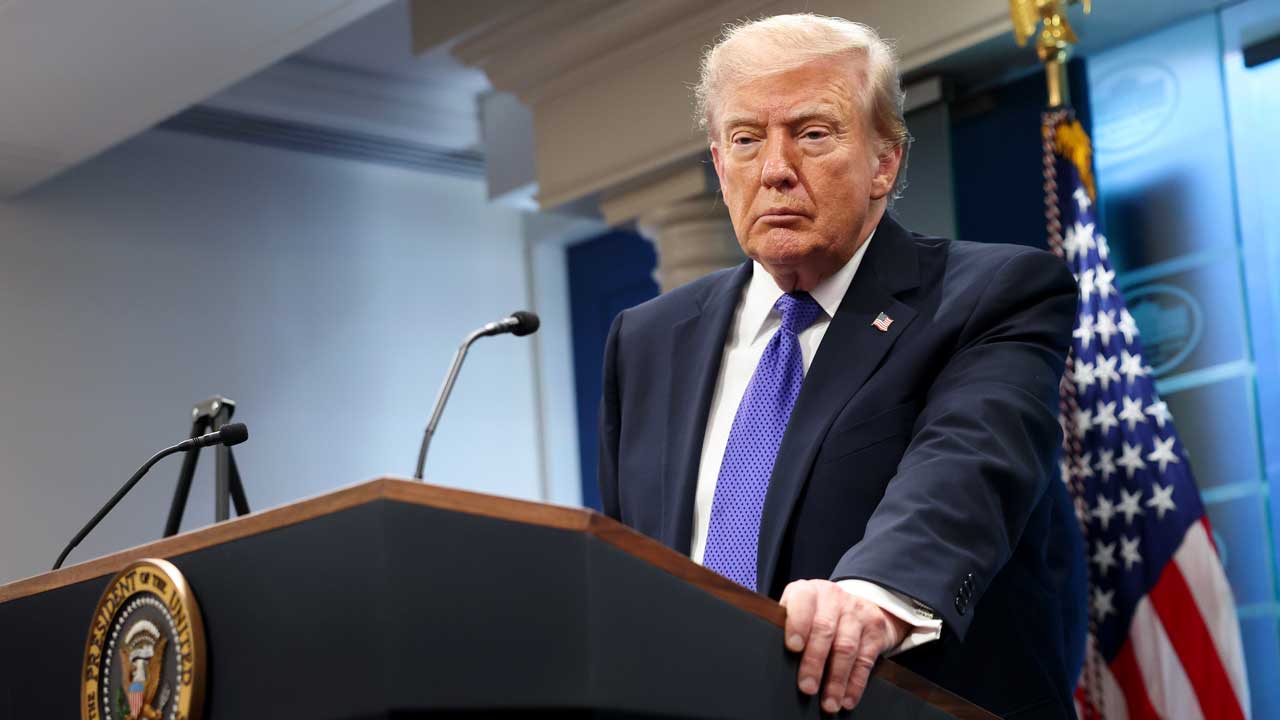
The full story
Here is the full story. The Trump administration on Wednesday proposed new tariffs on 14 trading partners, among them China and the European Union, after an investigation that began in March into what it calls unfair manufacturing practices. The administration argues that foreign industrial policies push companies to make more goods, such as cars, batteries and chemicals, than global demand can take in, and that this hurts American manufacturers. Besides China and the EU, the list covers Japan, South Korea, Taiwan, Malaysia, India, Vietnam, Thailand, Singapore, Indonesia, Cambodia, Bangladesh and Switzerland. Mexico and Norway are still under investigation and are left out for now.
China is treated differently from the rest. The administration proposed an added 20% tariff on most Chinese imports, a level officials said was set to keep a trade truce with Beijing intact. That truce is due to expire in January. A senior official said the rate could rise to 40% if talks break down or China fails to keep its commitments. The Chinese duties would come on top of tariffs from Trump's first term, though not on top of this year's forced-labor tariffs, and some goods being considered for tariff cuts would be excluded.
For the other 13 partners, the tariffs mostly target specific products, and officials said they would not stack on existing duties and would stay within ceilings agreed in earlier deals. Those include a 15% cap for the EU, Japan, South Korea and Taiwan and a 19% cap for Malaysia. A senior official estimated the proposals would raise existing rates on the targeted partners by about 5 percentage points on average. "When it all nets out, it really will just top up a few percentage points," Greer said on CNBC. Stephen Brown, chief North American economist at Capital Economics, wrote that the move is "not as alarming as it looks," because the new duties largely replace earlier Section 301 tariffs. Greer said in a statement that for decades many partners had used industrial strategies that tilt trade in their favor while eroding America's manufacturing base.
In a separate notice, Greer proposed tightening a July action against Brazil after trade talks stalled and Brazil took legal steps to retaliate. He would end an exemption for Brazilian finished aircraft by imposing a 10% tariff and raise duties on sugar imports above quota, regardless of where they come from. "After over a year of talking, Brazil has made no meaningful progress," Greer said.
The tariffs rest on Section 301 of the Trade Act of 1974, which lets the government respond to unfair foreign trade practices after formal investigations. The administration has turned to it more since the Supreme Court in February struck down Trump's 2025 tariffs imposed under an emergency powers law, a ruling that forced refunds to thousands of businesses. This is the second major batch of Section 301 tariffs, after July duties tied to enforcement of forced-labor bans. A lawsuit against those July tariffs is awaiting a decision at the Court of International Trade.
Beijing rejected the basis for the tariffs. A Commerce Ministry spokesperson called overcapacity "a false proposition" and said trade wars "are in the interests of neither side," but China announced no retaliation. U.S. officials said partners were told in advance, and one said more deals could be signed at next month's G20 summit. Asian stocks fell overnight and U.S. futures were sharply lower early Wednesday. The proposal comes weeks after Democrats won control of Congress in midterms where living costs topped voter concerns; a CBS News poll found 66% said the tariffs hurt the economy. Dan Anthony of the small business group We Pay the Tariffs said customers "can't afford more price increases."
Both proposals must go through public comment and hearings. Comments on the Brazil changes are due Dec. 30, with a hearing on Jan. 14. The Guardian reported a hearing on the broader tariffs on Jan. 25, and officials said those duties could take effect in January at the earliest.
Reported by
- Fox Business: Trump admin to raise tariffs on China, EU, other trading partners
- Semafor: US proposes sweeping new tariffs on China, others
- Axios: Trump prepares new round of tariffs on China, other U.S. trading partners
- The Guardian: Trump proposing new tariffs on 14 partners including China and EU
- NBC News: Trump proposes a new wave of tariffs on China, E.U. and other trade partners
- CBS News: Trump administration to issue new tariffs on 14 trading partners
- New York Post: US proposes new tariffs on 14 trading partners — including China, Japan, EU and India
Get this email every day
Want the day's top story in your inbox each morning? Enter your email below to sign up.
Other news / Full articles
 Jensen Huang apologizes to Nvidia staff in first all-hands since returning as CEO
 US jury convicts Huawei of trade secret theft conspiracy, bank fraud and Iran sanctions violations
 Nvidia board reinstates Jensen Huang as CEO after Trump intervenes
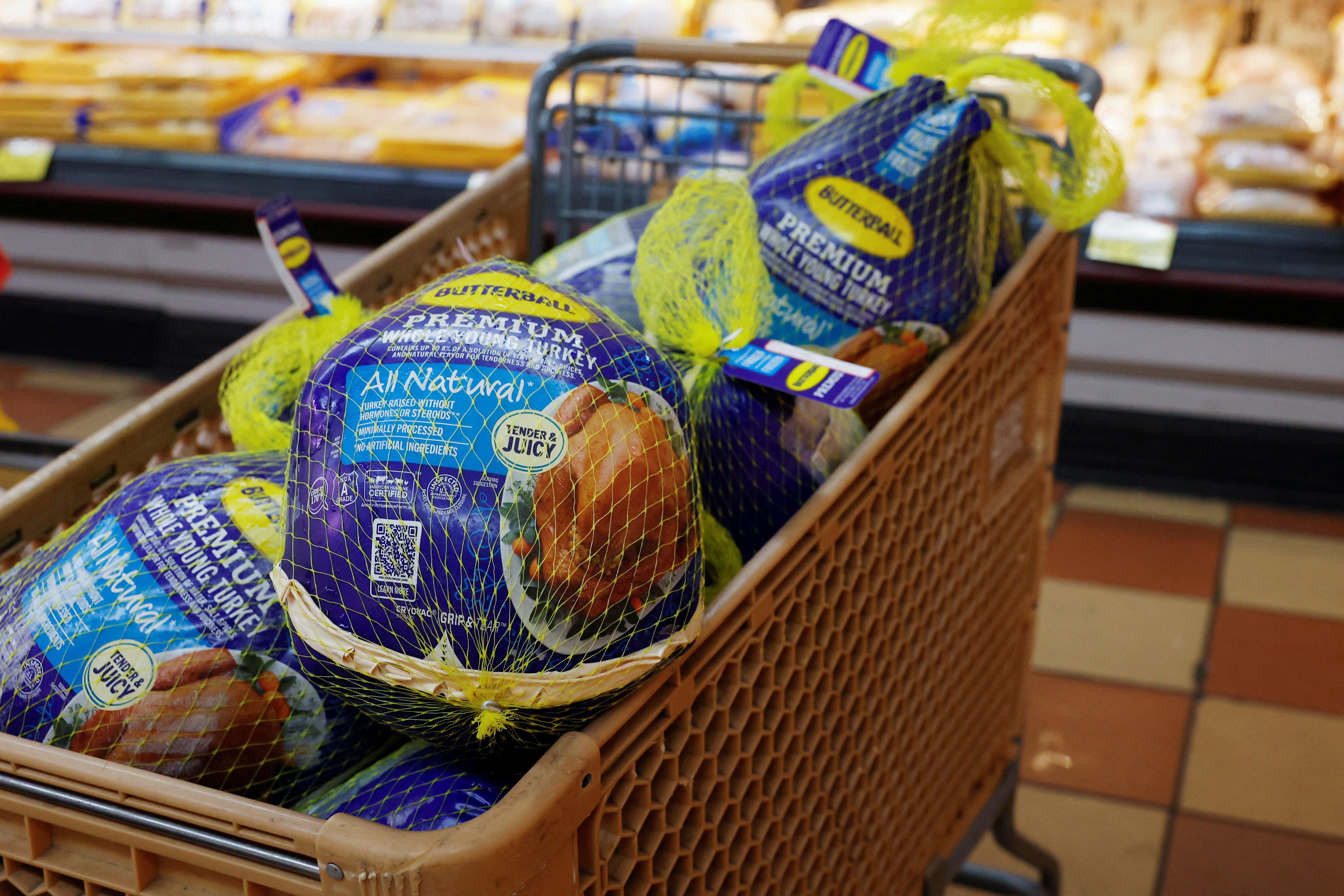 Thanksgiving dinner costs climb again as turkey prices reach record levels
 Nvidia and AI stocks slip as rally after Jensen Huang's return fades
 Lawmakers in both parties question Jensen Huang's return as Nvidia chief executive