US proposes new tariffs on 14 trading partners, drawing protests from China, Brazil and others
The Trump administration proposed capped tariffs on 14 trading partners including China and the EU, and governments responded with criticism, warnings and pledges to keep negotiating.

The full story
Here is the full story. The Trump administration on Wednesday proposed new tariffs on imports from 14 major trading partners, saying they engage in unreasonable or discriminatory trade practices that support their own industries at the expense of US manufacturing. The countries and regions named are China, the European Union, Brazil, India, Taiwan, Japan, South Korea, Vietnam, Bangladesh, Cambodia, Indonesia, Malaysia, Singapore, Switzerland and Thailand. The announcement drew criticism from governments across Asia, Europe and Latin America.
China faces one of the biggest hits. It would face the highest capped rate, 20%, which matches the rate set in last year's trade truce between Trump and Chinese leader Xi Jinping. In some cases that rate would be stacked on other import taxes, for a total of 45%. US Trade Representative Jamieson Greer told CNBC that the administration was proposing a "broad exemption" for $30bn worth of Chinese goods in line with that deal. He said many trading partners had adopted "market distorting practices that tilt the trade balance in their favour while eroding America's manufacturing base", and that Washington expected a broad negotiation on excess capacity. "I think a lot of this is baked in," he said. The administration says the rates are capped at levels agreed in trade deals already concluded or still under negotiation, and are consistent with deals reached last year with dozens of countries.
The new duties rest on a law that lets the president target countries found to engage in unfair trade practices, and they largely replace earlier tariffs justified under forced labour provisions. The Supreme Court struck down the original emergency basis for Trump's tariffs earlier this year, and a group of 25 states is suing to strike down the forced labour tariffs. The UK was not named in the new announcement but remains subject to the forced labour tariffs at an extra 10%. The timetable is not yet fixed: the BBC reports the tariffs are due in January or possibly February, while The Guardian reports that a hearing is set for 25 January, suggesting final duties would not take effect until February or March. The administration will seek feedback from affected industries first.
Beijing's commerce ministry spokesman, He Yadong, urged the US to "correct its erroneous practices" and said China "reserves the right to take necessary measures to firmly defend its legitimate rights and interests". A spokesperson for China's embassy in Washington said the issue of industrial overcapacity "does not really exist" and should not be used for political manipulation. Foreign ministry spokesperson Guo Jiakun said a trade war "serves no party's interests". China announced no retaliation. The truce between the two countries is due to expire in January; The Guardian gives the date as 10 January 2027. Trump met Xi in Shenzhen last week, and the two are expected to meet again at the G20 summit in Miami in December. Dan Wang of Eurasia Group told AFP that such escalations have become a pattern before major summits and that she did not expect them to derail relations.
Brazil, singled out after trade talks stalled, said it "will not yield to this type of threat" and called the move unacceptable during ongoing negotiations. It objected in particular to higher taxes on raw and refined sugar and a new 10% tariff on aircraft, which would hit its largest aircraft maker, Embraer. It said it would keep negotiating without ruling out retaliation. The European Commission rejected the premise of the tariffs and said it expected the US to keep to last year's deal; spokesperson Olof Gill said the EU regretted "the lack of joint action" on overcapacity. Japan's top government spokesperson, Minoru Kihara, called the measure regrettable, and Singapore said it was "very disappointed" and denied subsidising manufacturing. India denied having structural excess capacity and said it wanted an early trade deal; Greer has said India's rate would be capped at 17% if one is struck. Vietnam said it was submitting rebuttals and working to finish its deal, and Taiwan said it was confident of keeping its existing 15% rate. Some US analysts called the measures too weak, with Derek Scissors of the American Enterprise Institute saying the proposal "barely raises existing tariffs on China".
The tariffs will be finalised under a Congress controlled by Democrats after their midterm sweep. Hakeem Jeffries, the incoming House speaker, said the new House would move in its first 100 days to repeal the Trump tariffs. Senator Ron Wyden, who will chair the Senate Finance Committee, called the move "another blatant attempt" to rebuild illegal tariffs and vowed to "use every tool at my disposal" against them. Trump can veto legislation overturning the tariffs, and some Democrats are expected to back some of them, particularly on China. A Senate bill already seeks to repeal many tariffs on Canada, while an interim US-Canada deal is being sought.
Reported by
Get this email every day
Sign up below to get this news email in your inbox every day.
Other news / Full articles
 U.S. third-quarter growth revised up to 4.3%, fastest pace in three years
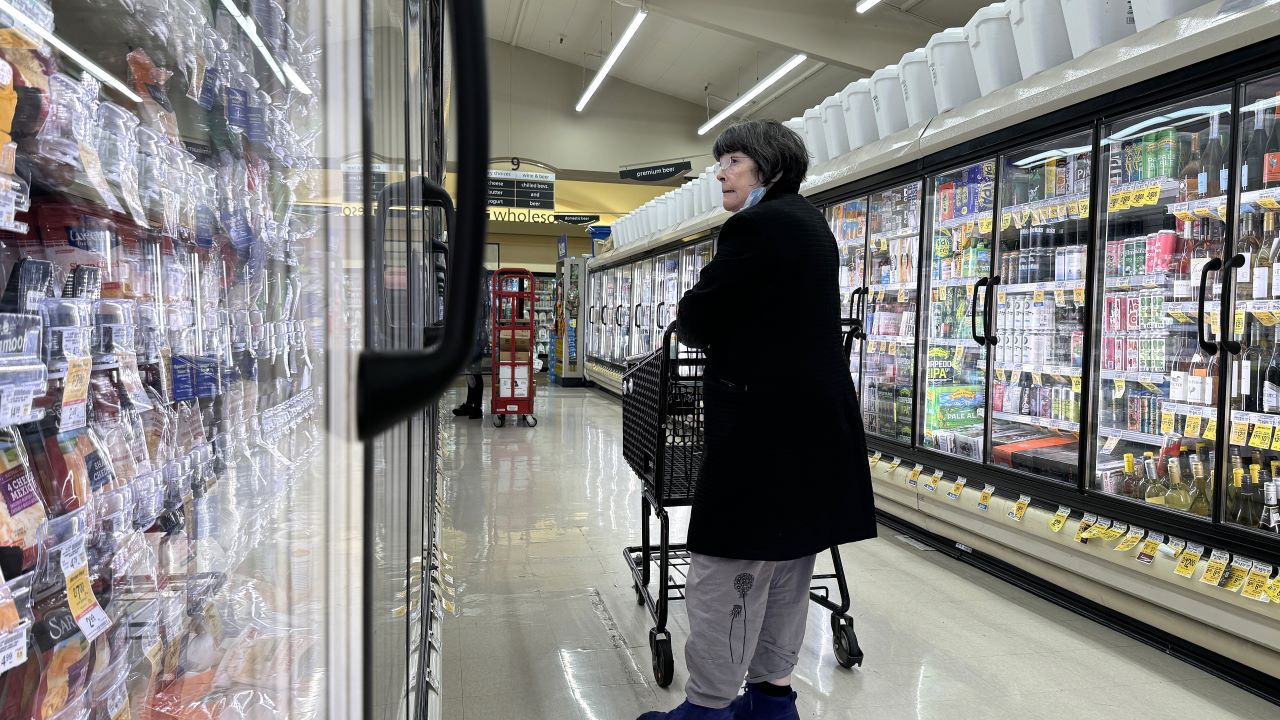 Fed's preferred inflation gauge rises to 3.8% in October
 FCC approves SpaceX plan for up to 1 million data center satellites
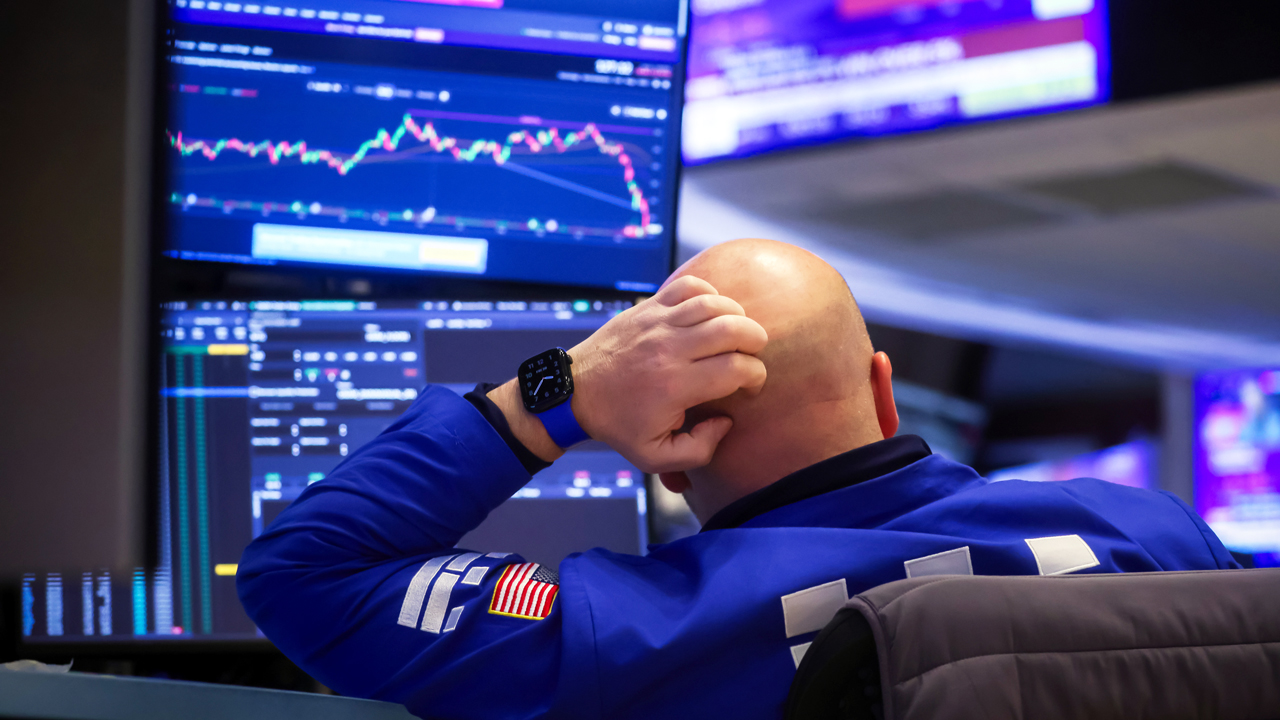 Stocks swing wildly as AI selloff deepens, then eases before Thanksgiving
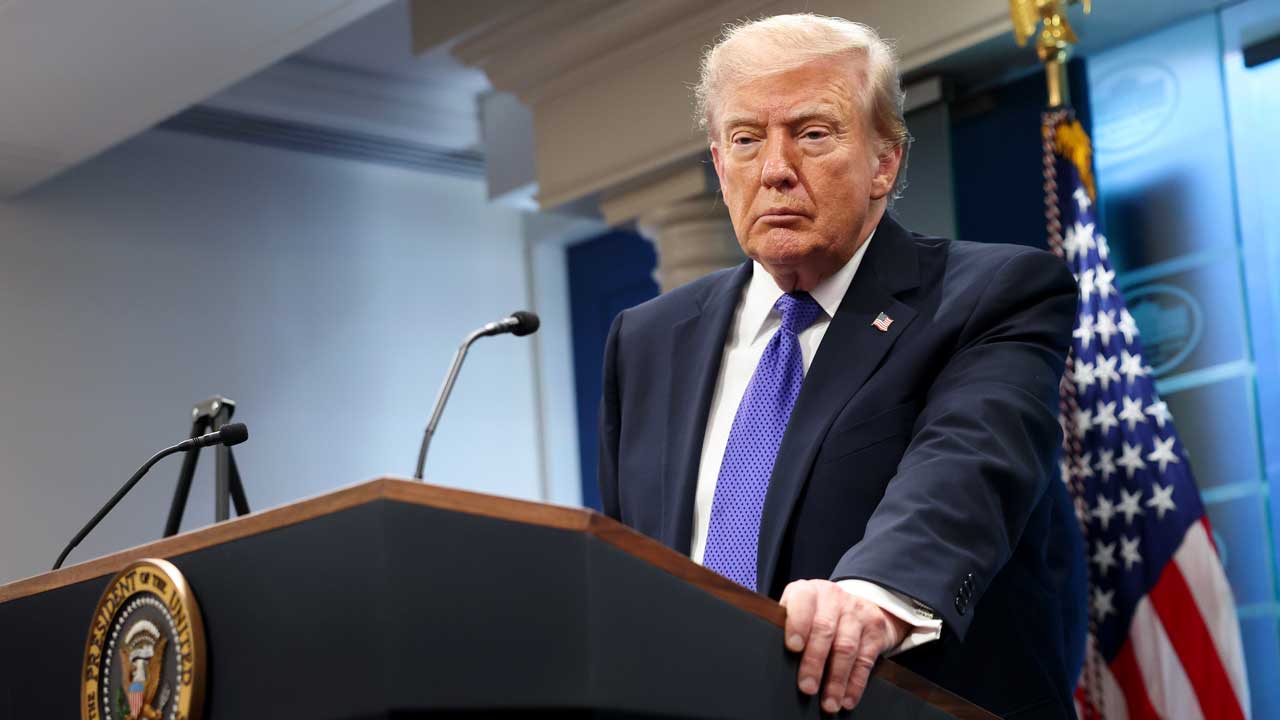 Trump administration proposes new tariffs on 14 trading partners, including China and the EU
 Jensen Huang apologizes to Nvidia staff in first all-hands since returning as CEO