This article originally appeared in the Pioneer Press.
The landmark 21st Century ROAD to Housing Act took effect earlier this month. Despite a misguided ban on institutional investors, the bill delivers critical reforms by streamlining environmental reviews for federally supported housing and deregulating factory housing. Yet federal policy can only do so much; true housing affordability in Minnesota still depends on state and local action.
Local governments hold primary power over zoning, dictating what kind of housing can be built and where. But even in cities that have relaxed zoning rules, hidden density controls often create insurmountable hurdles. Without liberalizing these rules, the housing shortage will persist.
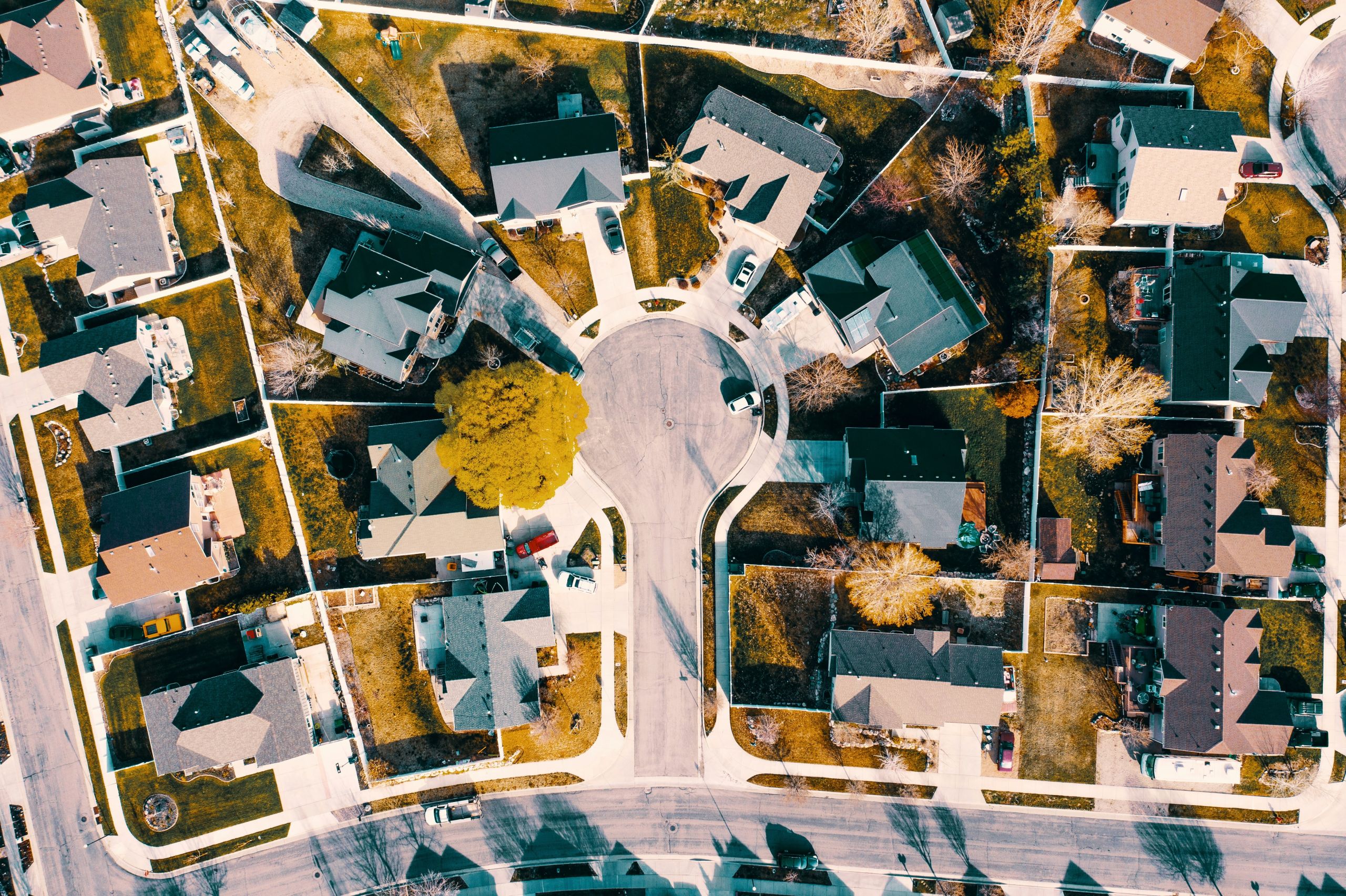
Minneapolis, for instance, gained national attention for its 2040 plan, which legalized “missing-middle” housing options, such as triplexes, throughout the city. Yet in areas that were previously zoned for detached single-family homes, rules dictate that a building’s indoor square footage cannot exceed half the size of the lot it sits on. To meet this requirement, a standard triplex (with each unit averaging 1,500 square feet) would need a plot size of at least 9,000 square feet — far higher than the typical city lot. This renders triplexes infeasible despite being legal to build. While developers could seek variances, that discretionary approval process is uncertain, costly, and time-consuming.
Even for traditional single-family development, mandatory lot minimums present a distinct barrier. Minneapolis generally requires at least 5,000 square feet per lot in all residential zones, legally forcing buyers to purchase more land than they may want or need. To recoup these high land costs, developers must build larger, more expensive structures — ultimately putting homeownership out of reach for young, growing families.
Beyond zoning, the permitting process itself is rife with delays. Because projects rarely fit one-size-fits-all city codes, developers must seek permission to deviate from rigid standards, such as rules requiring a certain roof shape or specific number of parking spaces. The discretionary approval process gives cities leverage to make additional costly demands. Permitting housing “by right”, meaning that a project is automatically approved if it meets baseline zoning criteria — would eliminate these arbitrary delays. Reducing development fees would also cut the final cost of new homes.
For their part, Minnesota lawmakers should rethink costly housing mandates, including those on energy. According to the American Council for an Energy-Efficient Economy (ACEEE), Minnesota has one of the top-10 most stringent energy-saving building codes nationwide. While tough rules may reduce home energy use, they severely inflate construction costs by complicating the building process or requiring expensive materials. Case in point: Minnesota is the only Midwestern state to mandate a balanced mechanical ventilation system for new homes, which, if it includes energy recovery, can cost up to $8,000, over five times as much as a single-exhaust system.
Costs from energy mandates are slated to increase. Per estimates from the Housing Affordability Institute, a 2024 Minnesota law intended to slash energy use in new homes by 70% by 2038 could further add between $25,773 and $44,171 to the cost of a single home, supercharging the affordability crisis.
A 2026 survey of professional homebuilders reports that over a quarter (26%) of the final price of most homes goes toward regulatory compliance. While the survey does not break down costs by level of government, state and local rules such as aesthetic mandates, permit fees, environmental impact studies, zoning requirements, and building codes account for most of these added expenses.
Various studies indicate that Minnesota could be short of nearly 100,000 homes. To truly bridge this deficit and make housing affordable, state and local government must match federal momentum and fix the root of the problem: broken zoning rules, permit delays, and costly mandates.