Photo: Gage Skidmore (CC BY-SA 2.0) (https://flic.kr/p/2ivpbJD)
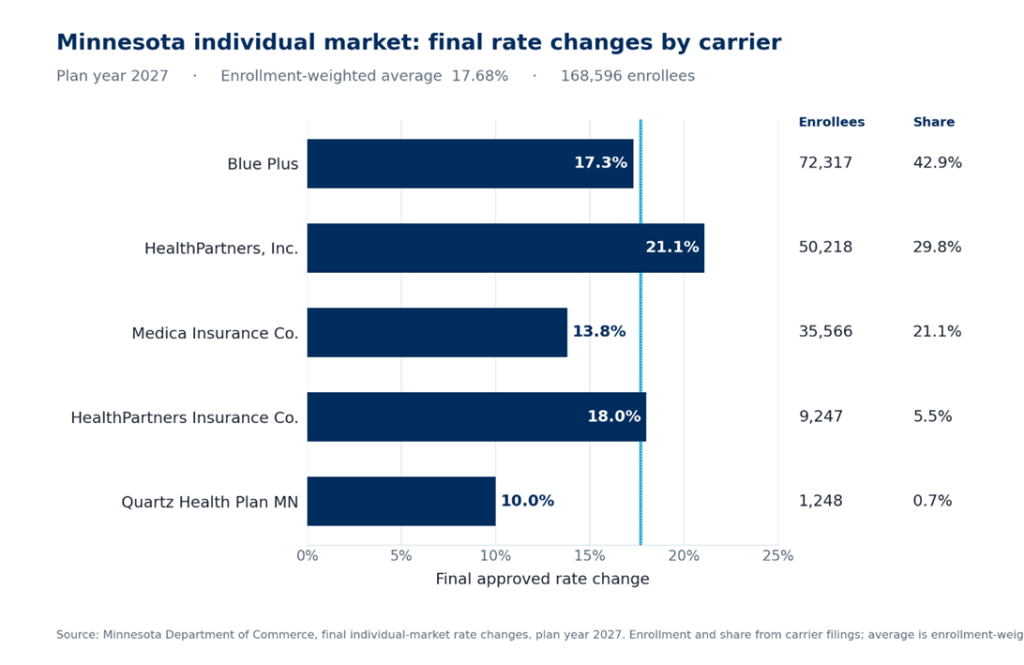
On October 1, the Minnesota Department of Commerce approved a 17.4 percent average weighted increase in the individual market, covering about 203,000 people. Carrier averages run from 10.0 percent at Quartz to 21.1 percent at HealthPartners, Inc. Small-group plans, covering about 184,000 people, rise 10.6 to 21.4 percent. It is the second straight year of double-digit hikes, after an individual-market increase of about 22 percent for 2026.
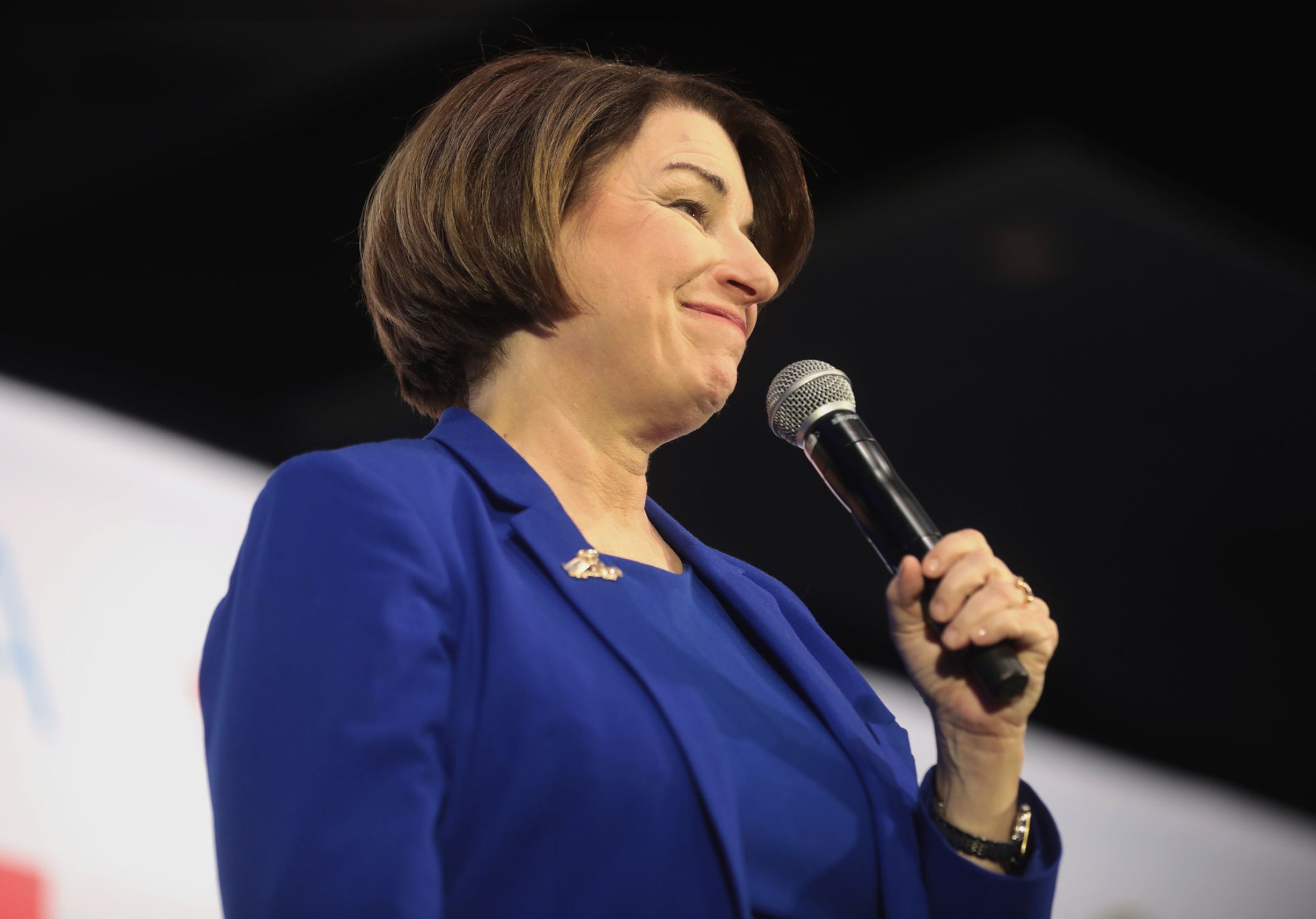
Minnesota’s senior Senator, Amy Klobuchar unsurprisingly blames Donald Trump. But she has used this excuse not long ago for kicking 250,000 off Medicaid. Instead, Minnesota actually gained Medicaid enrollees and costs. So, what’s really going on here?
Without the Minnesota Premium Security Plan (a Minnesota-only plan to have taxpayers to subsidize insurance companies) the average would have been 57.9 percent. Reinsurance, passed in 2017 after individual premiums here jumped 119 percent from 2014 to 2017, is why the notice is not catastrophic. It does not lower the cost of care. It moves the bill — and for 2027 the state’s general-fund share ends and the cost shifts onto group carriers.
Mandates drive utilization, which drive costs, which drive rates. House testimony by the Minnesota Chamber of Commerce puts Minnesota second nationally in required benefits and counts 14 new mandates from the last biennium. Estimates for the 2023 and 2024 enactments come to about $8.90 per member per month, more than $114 million a year in the fully insured market, including cancer genetic testing, zero cost-sharing for children’s mental health, and over-the-counter contraceptives. HealthPartners has previously stated clearly to policymakers that their new state benefit mandates are in the premium.
The other hidden cost is the $9 billion we pay for crooks who divert health care money into their own pockets which falls to the bottom line for taxpayers, hospitals, and insurance companies.
Those mandates bind the individual and small-group markets. Large employers self-fund under ERISA and walk around them. The people opening these notices are farmers, the self-employed, and shops under 50 workers.
Amy Klobuchar blames Trump. Commerce head Julia Dreier blamed prices, use, and “profit-driven entities.” Neither mentioned the fact that Minnesota makes it nearly impossible to write insurance because we tell health care companies that they can not sell the insurance people want and need, and also pay an extra $9 billion fraud tax. Subsidies can hide a mandates and fraud, but they can not repeal them.