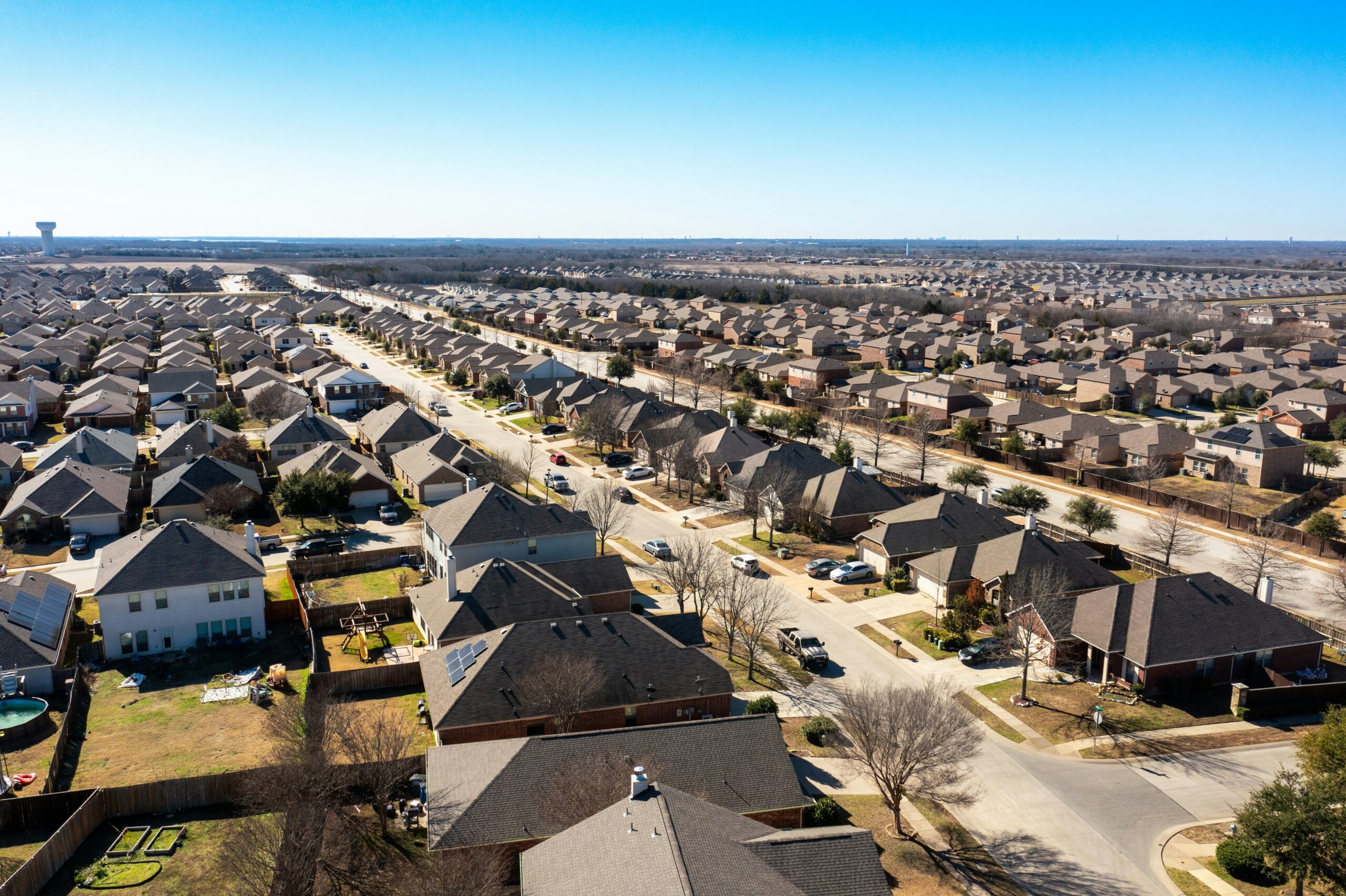
Geoff Graham also responds to Smith, saying, “I am guessing no country subsidizes the infrastructure required to make suburbs livable (and to drive to/fro/within them) more than the United States.” In fact, subsidies to central cities for housing, transportation, sewer and water far outweigh subsidies to suburbs. People ought to look up the figures before making such guesses in public.
As Smith points out, there are good reasons why people like the suburbs. Suburbs are more affordable than cities, they have less crime, are a better place for raising children, and (contrary to many movies) people who live in them are least likely to be lonely. Similarly, “cars are not a cost forced upon suburbanites,” Smith adds. “They are a thing people want in and of themselves” because “the convenience, sense of freedom and privacy cars offer is a benefit of suburbia to many people.”
For some reason, “Systematic visionary” has been engaging me in an off-line debate about central cities v. suburbs in which he argues that the high prices charged for living in downtown areas are evidence that a lot of people want to live there. In fact, they are just evidence that living there is costly and only a few people are willing to pay those costs — about 0.1% of Portland-area residents, I pointed out, and 0.05% of Phoenix-area residents.
Smith points out that there was a brief “urban revival” in the 1990s through the 2010s, but “it was a modest thing.” In fact, the suburbs were growing faster than the urban centers even during that revival. Suburban growth, he continues, has accelerated since the pandemic led to an increase in remote working that gave more people the freedom to choose where they live.
Smith makes a couple of mistakes. “Low density sprawl is expensive to maintain,” he says. If that is true, why are taxes higher in central cities than in their suburbs? He adds that sprawl “tends to make people less healthy,” but that’s another myth. In fact, health differences between urban and suburban residents are tiny and to the extent they exist it is because people who are less healthy prefer to live in places where they can easily get around by car.
Despite these points, Smith concludes that, “instead of attacking suburbia, just make room for everyone.” He doesn’t seem to be aware of how important that is since most places that have attempted to control sprawl have done so by creating artificial shortages of land for housing.
This article was reprinted with permission from The Antiplanner, a blog dedicated to ending government land-use regulat